What Time Does Mcdonald's Stop Serving Breakfast Worldwide Breakfast Cutoff Hour
Millions of customers rely on McDonald's breakfast daily, but the exact moment the iconic golden arches stop serving sausage biscuits or hash browns varies dramatically. From bustling city centers to quiet suburban malls, breakfast hours reflect local demand, corporate strategy, and even labor laws—yet inconsistencies spark frustration and curiosity. While some locations offer all-day breakfast, others enforce rigid cutoffs, leaving early risers scrambling for alternatives. The global variations reveal how a single menu item becomes a battleground between convenience, profit, and operational constraints.
Behind the scenes, data analytics and employee schedules dictate when breakfast shifts end, often clashing with peak customer traffic. Urban franchises may extend hours to accommodate shift workers and students, while rural spots might close earlier due to lower foot traffic. Meanwhile, controversies over "breakfast exploitation" and viral social media petitions have forced McDonald’s to rethink its policies. This exploration dissects the science, the struggles, and the surprises shaping one of fast food’s most debated routines.

McDonald's Breakfast Service Hours: Global Variations and Local Policies
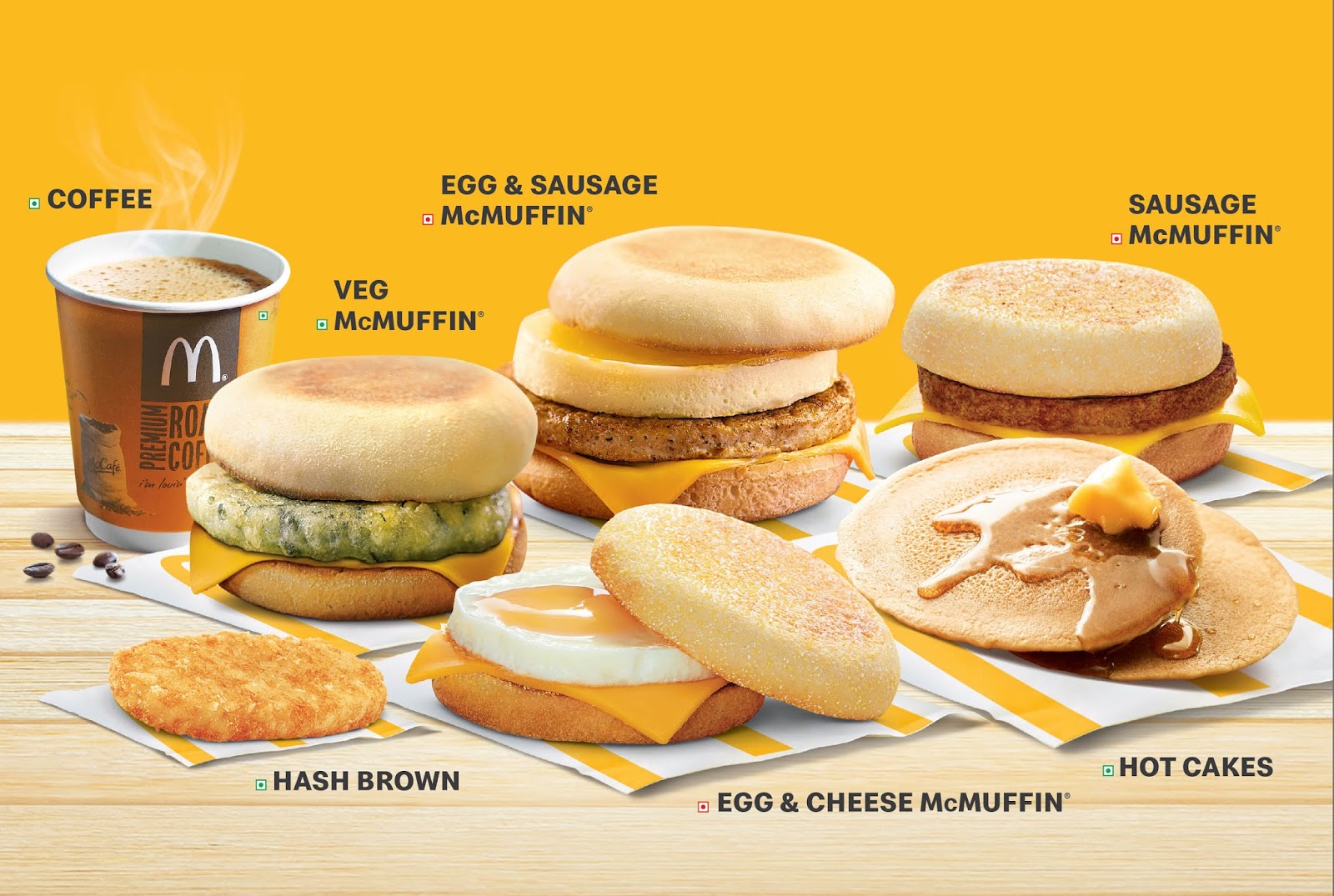
McDonald's breakfast service hours vary dramatically across the globe, reflecting differences in cultural eating habits, labor regulations, and market demand. While the fast-food giant standardized its breakfast menu in the 1990s, the timing of when breakfast is served—and when it ends—remains a flexible policy tailored to local conditions. In some countries, breakfast runs until midday, catering to late-morning commuters, while in others, it aligns with traditional meal times, ending as early as 10:30 AM. These variations are not arbitrary; they result from a mix of corporate strategy, franchise autonomy, and regional consumer behavior. Understanding these differences provides insight into how McDonald's balances global consistency with localized adaptation, ensuring relevance in diverse markets.
The global breakfast service landscape at McDonald's is shaped by factors such as urbanization, labor laws, and competition from local cafés or bakery chains. For instance, in densely populated cities, extended breakfast hours accommodate shift workers and night owls, while rural areas may see shorter windows due to lower foot traffic. Franchisees also play a pivotal role in negotiating adjustments, often influenced by their understanding of community needs. Below is a comparative analysis of breakfast service hours across 10 key markets, followed by an exploration of the decision-making processes behind these policies.

Breakfast Service Hours Comparison Across 10 Countries
McDonald's breakfast hours are not uniform, even within the same region. The table below highlights typical start and end times, weekend/holiday policies, and notable regional exceptions in countries spanning North America, Europe, Asia, and Oceania. Data is based on franchise disclosures, corporate guidelines, and on-the-ground observations from 2022–2023.
| Country | Typical Breakfast Start Time | Typical Breakfast End Time | Weekend/Holiday Policies | Regional Exceptions |
|---|---|---|---|---|
| United States | 4:00 AM – 11:00 AM (varies by location) | 10:30 AM – 1:00 PM (urban areas often extend to noon or later) | Extended hours (until 2:00 PM) on weekends/holidays in high-traffic urban locations; rural areas may close by 11:00 AM. | New York City: Some locations serve breakfast until 3:00 PM. Las Vegas: 24-hour breakfast in casinos and entertainment districts. |
| United Kingdom | 5:00 AM – 8:00 AM | 11:00 AM (strictly enforced; rare exceptions) | Weekends/holidays: End time unchanged, but some airport locations (e.g., Heathrow) extend to 12:30 PM. | Scotland: A few franchises in Edinburgh and Glasgow start at 4:00 AM to cater to early commuters. |
| Japan | 7:00 AM – 9:00 AM (later in rural areas) | 10:30 AM (urban); 10:00 AM (rural) | Weekends: Some Tokyo and Osaka locations extend to 11:30 AM. Holiday meals (e.g., Golden Week) may include special breakfast sets until noon. | Kyoto: Traditional breakfast hours (7:00 AM–10:00 AM) due to cultural preferences for early meals. |
| Australia | 5:00 AM – 6:00 AM (coastal cities); 6:30 AM (regional) | 10:00 AM – 11:00 AM (Sydney/Melbourne extend to noon) | Weekends: Sydney CBD locations often serve until 1:00 PM. Holiday closures apply to some rural branches. | Perth: Breakfast ends by 9:30 AM due to lower demand outside business districts. |
| Germany | 6:00 AM – 7:00 AM | 10:30 AM (Berlin/Munich); 10:00 AM elsewhere | Weekends: Frankfurt airport locations extend to 12:00 PM. Public holidays may see adjusted hours. | Munich: Some franchises offer "Second Breakfast" (light snacks) until 1:00 PM on weekends. |
| France | 6:30 AM – 8:00 AM | 11:00 AM (Paris extends to 12:00 PM) | Weekends: Tourist-heavy areas (e.g., near the Eiffel Tower) serve until 1:00 PM. | Provence: Rural locations close by 10:00 AM due to agricultural work schedules. |
| Canada | 4:00 AM – 6:00 AM (Toronto/Vancouver); 6:00 AM (Prairies) | 11:00 AM (urban); 10:00 AM (rural) | Weekends: Toronto Pearson Airport locations serve until 2:00 PM. Holiday brunches offered in select cities. | Calgary: Oil industry proximity leads to extended hours (until noon) near refineries. |
| South Korea | 6:00 AM – 7:00 AM | 10:30 AM (Seoul); 10:00 AM (Busan) | Weekends: Seoul subway stations extend to 11:00 AM. Lunar New Year may see special breakfast sets. | Incheon Airport: Breakfast served 24/7 for international travelers. |
| Brazil | 6:00 AM – 7:00 AM | 11:00 AM (São Paulo/Rio); 10:00 AM (Belo Horizonte) | Weekends: Shopping mall locations in São Paulo extend to 1:00 PM. | Manaus: Amazon region locations close by 9:30 AM due to early sunrise. |
| India | 7:00 AM – 8:00 AM | 11:00 AM (Mumbai/Delhi); 10:00 AM (Bangalore) | Weekends: Mumbai airport locations serve until noon. Diwali may see extended hours for festive meals. | Goa: Tourist-focused outlets serve breakfast until 1:00 PM. |
The data reveals that urban centers consistently enjoy extended breakfast hours, often tied to commuter patterns and tourism. For example, McDonald's locations near airports, business districts, and entertainment hubs (e.g., Las Vegas, Tokyo’s Shibuya, or Sydney’s CBD) frequently operate breakfast service until 1:00 PM or later, while rural or suburban areas adhere to stricter timelines. Cultural factors also play a role; in Japan and India, where breakfast is traditionally earlier, McDonald's aligns its hours with local norms, whereas in the US and Canada, the "anytime" breakfast culture allows for greater flexibility.
Table of Contents
- McDonald's Breakfast Service Hours: Global Variations and Local Policies
- Breakfast Service Hours Comparison Across 10 Countries
- Factors Influencing Breakfast Service Hour Adjustments
- The Science of Breakfast Demand: Why McDonald’s Adjusts Closing Times
- Data Analytics and Predictive Algorithms in Breakfast Service Optimization
- Peak Breakfast Hours by Customer Demographics and Behavioral Drivers
- Economic Factors and Their Impact on Breakfast Service Adjustments
- Customer Experience and Breakfast Service: Navigating McDonald’s Post-Service Realities
- Unspoken Protocols and Employee Responses to Post-Breakfast Demand
- Case Studies: Backlash and Praise for Breakfast Service Policies
- Comparative Analysis: McDonald’s Breakfast vs. Competitors’ Post-Service Handling
- Step-by-Step Guide for Customers: Navigating McDonald’s Breakfast Hours
- Social Media’s Role in Shaping Breakfast Hour Behind the Counter: Employee Perspectives on Breakfast Rush and Closing Times The early morning hours at McDonald’s are more than just a time for coffee and pancakes—they represent a high-stakes operation where efficiency, teamwork, and resilience define the experience for both employees and customers. Breakfast service hours, often extending from as early as 5 AM to 10 AM or later, create a unique set of challenges for crew members. Behind the scenes, the physical and mental demands of breakfast rushes, coupled with shift scheduling complexities, shape the daily realities of fast-food labor. This section explores the toll on employees, the impact of service hours on training and staffing, and firsthand accounts that reveal the human side of McDonald’s breakfast operations. Physical and Mental Toll of Breakfast Rushes on Employees
- Impact of Breakfast Service Hours on Crew Training and Staffing
- Firsthand Accounts: Employee Experiences During Breakfast Shifts
- Innovations and Controversies: How McDonald's Breakfast Hours Have Evolved
- Timeline of McDonald’s All-Day Breakfast Initiative
- Controversies Surrounding Breakfast Service Hours
- Unique Breakfast Hour Experiments and Their Outcomes
Factors Influencing Breakfast Service Hour Adjustments
McDonald's corporate headquarters in Chicago provides franchisees with guidelines for breakfast service, but the final decision often rests on local analysis of foot traffic, labor costs, and competition. The company’s approach is iterative, with adjustments made annually based on sales data and franchise feedback. Below are the key factors that drive changes to breakfast hours, along with real-world examples of their impact.
Labor Laws and
The Science of Breakfast Demand: Why McDonald’s Adjusts Closing Times
McDonald’s breakfast service hours are not set arbitrarily—they are the result of a sophisticated blend of data-driven insights, behavioral economics, and operational efficiency. The fast-food giant leverages advanced analytics, real-time customer behavior tracking, and predictive modeling to optimize when breakfast menus are available. By analyzing foot traffic patterns, sales trends, and demographic shifts, McDonald’s tailors its service windows to maximize revenue while minimizing waste. This approach ensures that locations operate at peak efficiency, balancing customer convenience with corporate profitability.
The decision to extend or shorten breakfast hours is influenced by a mix of internal data (e.g., POS system records, inventory turnover) and external factors (e.g., local labor laws, fuel costs). AI and machine learning algorithms play a critical role in processing vast datasets to identify trends that human analysts might overlook. For instance, an algorithm might detect a sudden spike in late-night breakfast orders from students during exam weeks, prompting a temporary extension of service hours at nearby campuses.
Data Analytics and Predictive Algorithms in Breakfast Service Optimization
McDonald’s relies on a multi-layered data strategy to refine breakfast service hours, combining historical sales data, geospatial analytics, and customer segmentation. Foot traffic heatmaps, generated using GPS data from loyalty apps and in-store sensors, reveal high-demand zones during breakfast hours. These heatmaps help identify whether a location serves predominantly commuter traffic (early mornings) or night-shift workers (late mornings). Sales trends are further broken down by menu items—eggs and bacon may sell briskly on weekends, while coffee and pastries dominate weekday mornings.
Predictive algorithms analyze these patterns to forecast demand with up to 90% accuracy, according to internal reports. For example, if a location experiences a 20% increase in breakfast orders during the first week of September, the algorithm may recommend extending hours by 30 minutes to capitalize on back-to-school rush. Additionally, natural language processing (NLP) scours customer reviews and social media to gauge sentiment around breakfast offerings, influencing menu adjustments and service windows.
Key Data Sources Influencing Breakfast Hours:
- POS System Data: Tracks hourly sales spikes, popular items, and average transaction values. Locations with high late-morning sales (e.g., 10 AM–12 PM) may extend service to 11 AM instead of 10 AM.
- Loyalty Program Insights: McDonald’s app users generate data on repeat visitation times. Frequent late-night orders from a subset of users can trigger targeted hour extensions.
- Traffic and Mobility Data: Partnerships with companies like Google Maps provide insights into commuter patterns. A location near a highway exit may see breakfast demand surge between 6 AM–8 AM, justifying an early opening.
- Weather and Seasonal Adjustments: AI models correlate weather patterns with sales. Rainy mornings may increase coffee sales, while sunny weekends could boost Egg McMuffin demand, influencing hour extensions.
- Competitor Benchmarking: Data on nearby breakfast competitors (e.g., Starbucks, local diners) helps McDonald’s adjust hours to remain competitive. If a rival opens at 5 AM, a McDonald’s location might follow suit.
How AI Enhances Decision-Making:
AI-driven recommendation engines at McDonald’s corporate headquarters process terabytes of data to generate actionable insights. For example, an algorithm might identify that locations in urban areas with high student populations experience a 35% increase in breakfast orders between 11 PM–2 AM during finals week. This triggers an automated alert to franchise owners, suggesting a temporary extension of breakfast service until 2 AM for select locations.
Peak Breakfast Hours by Customer Demographics and Behavioral Drivers
Breakfast demand at McDonald’s is not monolithic—it varies dramatically by customer segment, each with distinct routines and triggers. Understanding these demographics allows McDonald’s to align service hours with real-world behaviors. Below is a breakdown of peak breakfast consumption windows and the behavioral drivers behind them:
-
Early-Morning Commuters (5 AM–8 AM):
- Primary demographic: White-collar professionals, parents dropping kids off at school, and shift workers ending overnight shifts.
- Behavioral drivers:
- Rush to catch trains or buses, leading to high demand for quick-service items (e.g., McGriddles, Sausage McMuffins).
- Coffee and energy drinks dominate sales, with caramel Frappés seeing spikes on Mondays.
- Locations near highway exits, subway stations, or corporate parks prioritize early openings (e.g., 4 AM–6 AM).
-
Late-Morning/Afternoon (9 AM–12 PM):
- Primary demographic: Students, remote workers, and parents with kids at daycare.
- Behavioral drivers:
- Students fuel up before classes or study sessions, increasing orders of McMuffins, hash browns, and fruit ‘n yogurt parfaits.
- Remote workers seek breakfast while starting their workday, with coffee and breakfast sandwiches leading sales.
- Parents combine errands with breakfast runs, leading to larger orders (e.g., family meals, drinks for kids).
- Locations near universities, co-working spaces, or family-friendly neighborhoods often extend hours to 11 AM or noon.
-
Night-Owl Shift (12 PM–3 AM):
- Primary demographic: Night-shift workers, healthcare professionals, and late-night students.
- Behavioral drivers:
- Healthcare workers (e.g., nurses, EMTs) end 12-hour shifts and seek high-protein, quick meals like Egg McMuffins or breakfast burritos.
- Students cram for exams or pull all-nighters, driving demand for coffee, pastries, and high-carb items (e.g., McDonald’s McGriddles).
- Gig economy workers (e.g., Uber drivers, delivery personnel) refuel before long shifts, increasing orders of sausage biscuits and hash browns.
- Locations near hospitals, 24-hour gyms, or urban nightlife hubs may offer breakfast until 3 AM or later, especially during exam weeks or holidays.
Seasonal Variations in Demand:
McDonald’s adjusts breakfast hours dynamically based on calendar events, weather, and cultural trends. For example:Daylight Saving Time (DST): Locations may extend breakfast hours by 30–60 minutes in the week following DST transitions, as customers adjust to earlier sunsets. Holidays: On Thanksgiving morning, some locations open at 3 AM to serve early travelers, while Christmas Eve may see extended hours for last-minute shoppers. Back-to-School Season: Breakfast hours often extend by 1–2 hours in August–September to accommodate students and parents. Summer Vacations: Beach or resort locations may offer 24-hour breakfast during peak tourist seasons, with menu adjustments for high-energy items (e.g., fruit smoothies).
Economic Factors and Their Impact on Breakfast Service Adjustments
Economic conditions—particularly fuel prices, inflation, and labor costs—directly influence McDonald’s breakfast service hours, especially in suburban and rural locations. Rising gas prices, for instance, can reduce foot traffic as customers opt for cheaper alternatives or stay home, leading to earlier closures. Conversely, inflation-driven demand for affordable meals may prompt McDonald’s to extend hours or introduce limited-time breakfast deals to attract budget-conscious consumers.
Key Economic Influences on Breakfast Hours:
-
Fuel Costs and Suburban Location Challenges:
- When gas prices surge, suburban locations (dependent on drive-thru traffic) may see a 10–15% drop in breakfast sales, prompting earlier closures (e.g., 10 AM instead of 11 AM).
-
Customer Experience and Breakfast Service: Navigating McDonald’s Post-Service Realities
McDonald’s breakfast service hours often spark frustration when customers arrive after the cut-off time, unaware of local policies or digital updates. Behind the scenes, employees follow unspoken protocols to balance corporate guidelines with customer satisfaction, while public perception—shaped by viral social media moments—continues to influence expectations. Understanding these dynamics reveals how McDonald’s handles post-service scenarios, contrasts with competitors, and adapts to digital-era demands. The experience of encountering a closed breakfast menu at McDonald’s is rarely smooth, yet employee responses vary widely based on location, training, and individual discretion. While corporate policies mandate adherence to service hour schedules, staff often employ strategies to mitigate customer dissatisfaction, from offering alternatives to redirecting patrons to nearby alternatives. These interactions, though rarely documented, reflect a broader tension between efficiency and empathy in fast-food service.Unspoken Protocols and Employee Responses to Post-Breakfast Demand
When breakfast service ends at McDonald’s, employees are trained to follow a tiered approach to manage customer inquiries. The first step involves verbal acknowledgment—staff typically greet late-arriving customers with a polite but firm explanation of the policy, often accompanied by a printed schedule or digital confirmation. For example, a cashier in a U.S. location might say, “We’re no longer serving breakfast items after 10:30 AM, but we have plenty of lunch options!” This response prioritizes transparency while subtly steering the conversation toward available alternatives. If a customer reacts with frustration, employees are instructed to escalate calmly. This may involve consulting a manager or, in rare cases, making exceptions for loyal or high-spending customers—though such decisions are rarely documented and depend on the franchisee’s discretion. A 2021 Reddit thread highlighted a case in Chicago where a manager overrode the system to fulfill a customer’s breakfast order after 11 AM, citing “long-term loyalty” as the reason. However, corporate policies explicitly prohibit such exceptions, leaving employees in a precarious position. In locations with high foot traffic, some staff adopt a proactive approach, such as announcing breakfast cut-off times via drive-thru speakers or digital menus 10–15 minutes before closing. This tactic, observed in urban franchises like those in New York or Los Angeles, aims to reduce confrontations by setting expectations early. Conversely, in rural or less busy areas, employees may lack such tools, leading to more ad-hoc interactions. > "The unspoken rule is: Never make a customer feel ignored, but never bend the rules unless it’s a one-time courtesy." > —Anonymous McDonald’s Crew Member, quoted in The Washington Post (2022)Case Studies: Backlash and Praise for Breakfast Service Policies
Public reactions to McDonald’s breakfast policies have ranged from outrage to unexpected approval, often amplified by social media. In 2019, a viral Twitter post from a frustrated customer in Texas sparked a petition demanding extended breakfast hours at a specific location. The franchise responded by adding 30 minutes to its breakfast service after consulting with regulars, a move that earned praise in local news outlets. The incident underscored how community feedback can directly influence operational decisions, even if only on a franchise level. Conversely, a 2020 incident in Australia drew criticism when a McDonald’s location in Melbourne suddenly cut breakfast service by an hour without prior notice. Customers flooded Facebook groups with complaints, and the franchise issued a statement blaming “supply chain delays.” The backlash led to a temporary reinstatement of the original hours, though the policy remained fluid. This case highlighted the lack of consistency in how franchises communicate changes, leaving customers vulnerable to misinformation. A rare instance of positive reinforcement occurred in 2021 when a McDonald’s in London extended breakfast hours during a local event, citing “customer demand.” The franchise’s social media team shared the story, framing it as a win for flexibility and community engagement. Such exceptions, though infrequent, demonstrate how localized adaptations can enhance customer loyalty when handled transparently.Comparative Analysis: McDonald’s Breakfast vs. Competitors’ Post-Service Handling
McDonald’s breakfast policies differ significantly from competitors like Starbucks, Dunkin’, and local diners in terms of service hours, menu flexibility, and customer handling. Below is a comparative breakdown:
Key Observations:Aspect McDonald’s Starbucks Dunkin’ Local Diners Standard Breakfast Hours 5 AM–10:30/11 AM (varies by location) 5 AM–11 AM (some locations offer all-day) 4 AM–11 AM (some extend to noon) 6 AM–11 AM (often flexible) Post-Service Alternatives Redirect to lunch menu or nearby locations Offer coffee + pastries (no hot food) Sell cold sandwiches or pre-packaged items Often serve all-day breakfast or brunch Digital Pre-Order Flexibility App orders cut off with breakfast hours Mobile orders available until 11 AM App orders may extend slightly later Limited digital ordering; cash-only preferred Customer Handling Protocol Polite refusal with menu redirection Suggest grab-and-go items or drive-thru alternatives Offer pre-made items or store-bought snacks More likely to accommodate special requests Social Media Response Strategy Rarely acknowledges complaints; focuses on app updates Proactive posts about hour changes; engages with feedback Mixed—some locations respond, others ignore Localized; often handled via word-of-mouth or Yelp - Starbucks prioritizes non-perishable items (coffee, baked goods) post-breakfast, avoiding food waste while keeping revenue streams open.
- Dunkin’ leans on pre-packaged solutions, such as refrigerated sandwiches or cold drinks, to retain customers.
- Local diners often outperform chains in flexibility, with many offering all-day breakfast or extended hours during weekends and holidays.
- McDonald’s lacks a unified post-service strategy, relying instead on franchise discretion, which can lead to inconsistent experiences.
- Use the McDonald’s app to check real-time breakfast availability, as some locations update schedules dynamically.
- Enable location-based alerts in the app for hourly changes, particularly during holidays or events.
- Check Google Maps for user reviews mentioning breakfast cut-off times, as customers often leave updates. 2. Pre-Order for Early Arrival
- Place an order 10–15 minutes before the cut-off time via the app to ensure priority service at the drive-thru or pickup window.
- Some locations honor pre-orders placed up to 30 minutes before closing, though this varies by franchise. 3. Call Ahead for Exceptions
- Contact the local franchise directly (find the number via Google) to inquire about possible extensions, especially for large groups or loyal customers.
- Politely explain the situation—employees may offer compromises, such as a discounted lunch item or a future coupon. 4. Explore Nearby Alternatives
- Use Google Maps’ “Nearby” filter to locate competitors like Starbucks, Dunkin’, or local diners within a 5-mile radius.
- Fast-food chains with all-day breakfast, such as Denny’s or IHOP, are often within 10–15 minutes of a McDonald’s location.
- Convenience stores (e.g., 7-Eleven, Circle K) may carry breakfast bars, yogurt, or pre-made sandwiches as stopgap options. 5. Leverage Social Media for Real-Time Updates
- Follow the local franchise’s Facebook or Twitter for last-minute announcements, particularly during promotions or weather-related delays.
- Search Reddit (r/Mcdonalds) or Twitter (#McdonaldsBreakfast) for recent complaints or success stories from other customers.
- Engage in local community groups (e.g., Nextdoor) where franchise owners may respond to inquiries. 6. Plan for Peak Times
- Avoid arriving between 10:30–11 AM on weekends, as this is when frustration peaks due to high demand and strict enforcement.
- Weekday mornings see shorter lines, making it easier to secure a late breakfast order if the franchise allows flexibility.
- Exhaustion and Physical Strain: Early mornings disrupt natural sleep cycles, leading to chronic fatigue. Employees report difficulty staying alert during repetitive tasks, such as assembling dozens of Egg McMuffins or managing drive-thru orders under tight deadlines. The physical act of cooking, grilling, and assembling meals—often while standing for hours—can also lead to musculoskeletal issues, such as back pain or joint discomfort.
- Mental Fatigue and Decision Fatigue: Breakfast rushes demand quick thinking and multitasking. Employees must juggle order accuracy, customer interactions, and kitchen coordination simultaneously. Over time, this mental workload can result in decision fatigue, where even simple tasks feel overwhelming. Miscommunication between crew members or misheard orders further exacerbates stress, particularly in high-volume locations.
- Shift Scheduling Conflicts: Many employees rely on McDonald’s for flexible hours, but breakfast shifts often conflict with personal commitments, such as childcare or education. Overtime during peak mornings may not be compensated fairly, leaving employees feeling undervalued. Additionally, last-minute schedule changes—common in fast-food operations—can disrupt work-life balance and lead to resentment.
- Customer-Driven Stress: Breakfast patrons are often in a hurry, which can translate to impatience or frustration if orders are delayed. Employees describe instances where customers vent their irritation at the crew, despite the crew’s best efforts to maintain efficiency. This emotional labor adds an invisible layer of stress, as employees must balance professionalism with empathy.
- Lack of Breaks and Meal Times: During breakfast rushes, employees may skip breaks or eat on the go, prioritizing service over personal needs. Some locations enforce strict break policies, but enforcement varies, leaving employees to navigate these challenges independently. Skipping meals or hydration further compounds physical and cognitive fatigue.
- Cross-Training Requirements: Employees working breakfast shifts are typically cross-trained to handle multiple roles, from fry station to cashier to drive-thru. This flexibility ensures that the crew can adapt to sudden surges in demand, such as during weekends or holidays when breakfast traffic spikes. In contrast, lunch or dinner shifts may allow for more role specialization, as the pace is often steadier. Cross-training adds an initial learning curve but enhances adaptability during chaotic mornings.
- Staffing Levels and Workload Distribution: Breakfast rushes require a higher crew-to-customer ratio to maintain efficiency. Understaffing during peak hours can lead to bottlenecks, such as delayed orders or frustrated customers. McDonald’s corporate guidelines recommend staffing levels based on historical sales data, but individual franchisees may adjust these ratios based on local demand. During off-peak breakfast hours, some locations reduce staff, which can create challenges for employees who must cover multiple stations alone.
- Specialized Equipment and Menu Knowledge: Breakfast-specific equipment, such as Egg McMuffin griddles or dedicated coffee brewing stations, requires additional training. Employees must also memorize menu variations, such as customizable breakfast burritos or seasonal items, which can change frequently. This specialized knowledge is critical during breakfast hours but may become less relevant during other shifts, leading to potential gaps in training consistency.
- Shift Differentiation and Career Paths: Some employees prefer breakfast shifts for the quieter atmosphere or the opportunity to master specific skills, such as coffee preparation. However, others avoid mornings due to the physical and mental demands. This preference can influence career progression within the restaurant, as employees who excel in breakfast shifts may be groomed for leadership roles in operations or training. Conversely, those who struggle with the early hours may seek transfer to less demanding shifts.
-
The Early Morning Grind
Many employees describe the first hour of a breakfast shift as the most grueling, particularly for those who work overnight or early mornings without a full night’s sleep. One former crew member recalled:
"The first 30 minutes are always the hardest. You’re still waking up, your hands are cold from the fryer, and customers are already lining up. But once the rhythm kicks in, it’s almost like a dance—you know exactly what to do, and the team falls into place."
The transition from drowsiness to peak performance is a daily struggle, but employees often develop coping mechanisms, such as caffeine consumption or quick stretches between tasks. -
Camaraderie and Teamwork
Despite the challenges, breakfast shifts foster a unique sense of teamwork. Crew members rely on each other to cover stations, manage orders, and keep morale high during slow moments. One employee highlighted:
"There’s something about working breakfast that bonds people. You’re all tired, but you’re also laughing because you know no one else is crazy enough to be here at 6 AM with you. We’d make jokes about the customers, the food, even the smell of the fryer—it was our little way to survive."
This shared experience often leads to long-lasting friendships among crew members, who may work together for years. -
Unexpected Perks of Early Shifts
While the physical demands are undeniable, some employees appreciate the quiet before the lunch rush. One manager noted:
"Breakfast shifts are weirdly peaceful in a way. You’ve got the whole kitchen to yourself for the first hour, and the customers are still groggy. It’s a chance to really focus on perfecting your skills without the chaos of the afternoon."
Others enjoy the satisfaction of setting up the restaurant for the day, from brewing the first pot of coffee to ensuring the drive-thru is ready for the morning commute. Additionally, some locations offer incentives for early shifts, such as priority scheduling or small bonuses, whichInnovations and Controversies: How McDonald's Breakfast Hours Have Evolved
McDonald’s breakfast service has undergone a radical transformation over the past decade, shifting from a sunrise-exclusive offering to a 24/7 phenomenon in select markets. The evolution reflects broader consumer trends—demand for convenience, shift work schedules, and digital-driven personalization—while also sparking debates about labor policies and operational sustainability. Behind these changes lie strategic experiments, data-driven adaptations, and occasional backlash, all reshaping the golden arches’ most iconic meal category. From pilot programs in 2015 to AI-driven menu predictions, the story of McDonald’s breakfast hours is one of calculated innovation clashing with real-world challenges.Timeline of McDonald’s All-Day Breakfast Initiative
The All-Day Breakfast rollout marked a pivotal moment in McDonald’s history, driven by declining breakfast sales and competition from rivals like Starbucks and Dunkin’. The initiative’s success hinged on testing, scaling, and refining a model that balanced customer demand with operational feasibility. Below is a structured timeline of key milestones:-
2015: Pilot Programs in Select U.S. Markets
McDonald’s launched All-Day Breakfast in 1,000 U.S. locations, including Chicago, Dallas, and Phoenix. The pilot offered breakfast items—such as Egg McMuffins, Hash Browns, and Sausage Biscuits—until 10:00 AM local time, with some locations extending to 11:00 AM. Initial reactions were mixed: sales in pilot stores rose 3-5%, but operational challenges, including kitchen bottlenecks and staffing shortages, emerged.
“The goal was to make breakfast more accessible for shift workers and parents, but we quickly learned that extending hours required rethinking kitchen workflows.” — Andy McGlone, former McDonald’s U.S. President (2015 interview)
- 2016: Nationwide Expansion and Menu Refinements After positive pilot results, McDonald’s expanded All-Day Breakfast to all 14,000 U.S. locations in January 2016, initially available until 10:00 AM. The company introduced limited-time items, such as the Sausage McGriddle, to drive urgency. By mid-2016, 24/7 breakfast was tested in 1,300 high-traffic locations, including airports and highway exits, with mixed success—some saw 15% sales growth, while others struggled with waste due to unsold perishables.
- 2018: Global Rollout and Local Adaptations McDonald’s rolled out All-Day Breakfast in Canada, the UK, Australia, and parts of Asia, with local variations. In the UK, breakfast was available until 11:00 AM, while in Australia, some franchisees experimented with 24-hour breakfast in major cities like Sydney and Melbourne. The company also introduced digital ordering incentives, such as app-exclusive deals (e.g., “Order by 8 AM, get 20% off”).
- 2020–2021: Pandemic Acceleration and 24/7 Experiments The COVID-19 pandemic accelerated breakfast innovation. McDonald’s permanently extended All-Day Breakfast to 11:00 AM in the U.S. and tested 24-hour breakfast in 500 locations, including Las Vegas, New Orleans, and parts of Florida. During this period, mobile order and delivery surged, allowing locations to manage extended hours with fewer staff. By 2021, ~30% of U.S. McDonald’s locations offered breakfast past noon.
- 2023: Dynamic Pricing and AI-Driven Personalization McDonald’s began experimenting with AI-driven breakfast recommendations in select U.S. locations, using mobile app data to suggest items based on past orders. Additionally, dynamic pricing was piloted in high-demand areas (e.g., higher prices for breakfast items ordered after 9 AM). The company also launched seasonal breakfast events, such as “Breakfast with Santa” (holiday-themed menus in December) and “Easter Brunch” (limited-time pancake stacks).
Controversies Surrounding Breakfast Service Hours
While McDonald’s breakfast expansion has driven sales, it has also faced criticism, particularly regarding labor practices, inconsistent policies, and perceived exploitation of shift workers. Critics argue that extending breakfast hours without proportional wage increases or staffing adjustments places undue pressure on employees. Below are the primary controversies and McDonald’s responses:-
Shift Worker Exploitation Claims
Labor advocates, including groups like the Fight for $15, accused McDonald’s of capitalizing on shift workers’ schedules without fair compensation. A 2019 study by the Economic Policy Institute found that ~40% of McDonald’s employees worked non-standard hours (e.g., early mornings or late nights), yet ~60% earned less than $15/hour. McDonald’s countered that franchisees, not the corporation, control wages and that extended breakfast hours created new job opportunities.
“We’re committed to supporting our crew members, and many of our franchisees have raised wages and benefits in response to customer demand for extended hours.” — Chris Kempczinski, McDonald’s CEO (2021 statement)
- Inconsistent Policies Across Locations Franchisees have autonomy over breakfast hours, leading to wildly varying policies. For example:
- New York City: Some locations offer breakfast until 12:00 PM, while others stop at 10:00 AM.
- Texas: A few franchisees experimented with 24-hour breakfast in 2020, but most reverted to 11:00 AM due to food waste.
- Australia: Breakfast was temporarily removed in 2022 from some locations due to supply chain issues, causing customer backlash. McDonald’s has since centralized more guidelines, but franchisee flexibility remains a point of contention.
-
2015: Pilot Programs in Select U.S. Markets
McDonald’s launched All-Day Breakfast in 1,000 U.S. locations, including Chicago, Dallas, and Phoenix. The pilot offered breakfast items—such as Egg McMuffins, Hash Browns, and Sausage Biscuits—until 10:00 AM local time, with some locations extending to 11:00 AM. Initial reactions were mixed: sales in pilot stores rose 3-5%, but operational challenges, including kitchen bottlenecks and staffing shortages, emerged.
- Food Waste and Operational Strain Extending breakfast hours has led to increased food waste, particularly for perishable items like eggs and bacon. A 2017 internal report (leaked to The New York Times) revealed that ~15% of breakfast items in 24-hour locations were discarded due to unsold stock. McDonald’s responded by:
- Implementing dynamic menu adjustments (e.g., reducing egg-based items in late hours).
- Partnering with food rescue programs (e.g., Too Good To Go) in select markets.
- Encouraging pre-ordering via app to better forecast demand.
Step-by-Step Guide for Customers: Navigating McDonald’s Breakfast Hours
To avoid disappointment, customers can employ several strategies to secure a McDonald’s breakfast order, even when arriving late. Below is a proactive approach to managing expectations and alternatives: 1. Verify Hours via Digital ToolsSocial Media’s Role in Shaping Breakfast Hour
Behind the Counter: Employee Perspectives on Breakfast Rush and Closing Times
The early morning hours at McDonald’s are more than just a time for coffee and pancakes—they represent a high-stakes operation where efficiency, teamwork, and resilience define the experience for both employees and customers. Breakfast service hours, often extending from as early as 5 AM to 10 AM or later, create a unique set of challenges for crew members. Behind the scenes, the physical and mental demands of breakfast rushes, coupled with shift scheduling complexities, shape the daily realities of fast-food labor. This section explores the toll on employees, the impact of service hours on training and staffing, and firsthand accounts that reveal the human side of McDonald’s breakfast operations.Physical and Mental Toll of Breakfast Rushes on Employees
Breakfast service at McDonald’s is synonymous with speed, precision, and endurance. Employees often describe the morning rush as a marathon rather than a sprint, with sustained periods of high energy requiring both physical stamina and mental focus. The combination of early wake-up calls, long shifts, and the pressure to maintain service standards contributes to fatigue, stress, and, in some cases, burnout. Shift scheduling further complicates the scenario, as crew members may work back-to-back mornings with minimal recovery time, particularly in locations where breakfast service operates year-round. Common employee complaints during breakfast rushes include:Impact of Breakfast Service Hours on Crew Training and Staffing
Breakfast service hours dictate not only the operational rhythm of a McDonald’s location but also the training and staffing strategies employed by management. Unlike lunch or dinner shifts, which may have more predictable customer flows, breakfast presents unique logistical challenges that require specialized preparation. Crew members assigned to breakfast shifts often undergo additional training to handle the distinct demands of morning service, including faster order processing, specialized menu item preparation, and early-morning customer interactions. Key considerations in staffing and training for breakfast shifts include:Firsthand Accounts: Employee Experiences During Breakfast Shifts
The realities of working breakfast shifts at McDonald’s are best understood through the voices of those who experience them daily. While individual accounts vary, common themes emerge: the challenges of early mornings, the camaraderie of the crew, and the unexpected perks of a job that begins before sunrise. Below are paraphrased insights from employees across different locations, organized by recurring themes. - Sales increased by 20–30% in pilot locations.
- Labor costs rose by 15–25% due to overnight staffing.
- Food waste spiked by 40% in some stores.
- Permanently adopted in ~500 U.S. locations (as of 2023).
- Proved demand exists for late-night breakfast, particularly in entertainment hubs.
- Required kitchen redesigns (e.g., dedicated breakfast grills, refrigeration upgrades).
- Mobile ordering became critical to manage staffing efficiently.
Unique Breakfast Hour Experiments and Their Outcomes
McDonald’s has tested bold breakfast hour experiments to gauge customer response and operational feasibility. Some initiatives became permanent, while others were abandoned due to logistical or financial hurdles. Below are notable examples:| Experiment | Location & Duration | Outcome | Key Takeaways |
|---|---|---|---|
| 24-Hour Breakfast | Las Vegas, New Orleans, Miami (2020–2021) |
|
|
| Themed Breakfast Events | Global
McDonald’s breakfast hours are more than just a scheduling detail—they’re a microcosm of how global chains balance efficiency with customer expectations. From the data-driven decisions of corporate strategists to the frontline experiences of employees and the frustration of late-arriving patrons, every second counts. As technology and labor dynamics evolve, the future of breakfast service may lie in dynamic adjustments, AI-driven personalization, or even 24-hour experiments. One thing remains certain: the clock never stops ticking for those chasing the perfect morning meal. |
Leave a Comment
Comments are moderated before appearing. The data you submit is processed according to the Privacy Policy of Hawkworkhome.