What Singer Died Today Exploring Music Industry Losses
The music world often stands still when a legendary voice is silenced forever. Today’s headlines carry more than just news—they mark the end of an era, leaving fans grappling with loss and industries scrambling to preserve legacies. From sudden tragedies to long battles with illness, the deaths of iconic singers ripple through culture, reshaping charts, sparking global tributes, and even altering how the business of music operates.
Behind every posthumous memorial lies a story of artistry, influence, and the complex emotions fans invest in their idols. Whether through viral social media campaigns, blockbuster documentaries, or unexpected posthumous releases, the impact of a singer’s death transcends music—it becomes a cultural phenomenon. This exploration delves into the legacies left behind, the financial realities of a fading star, and the ways the world continues to honor those who defined generations.
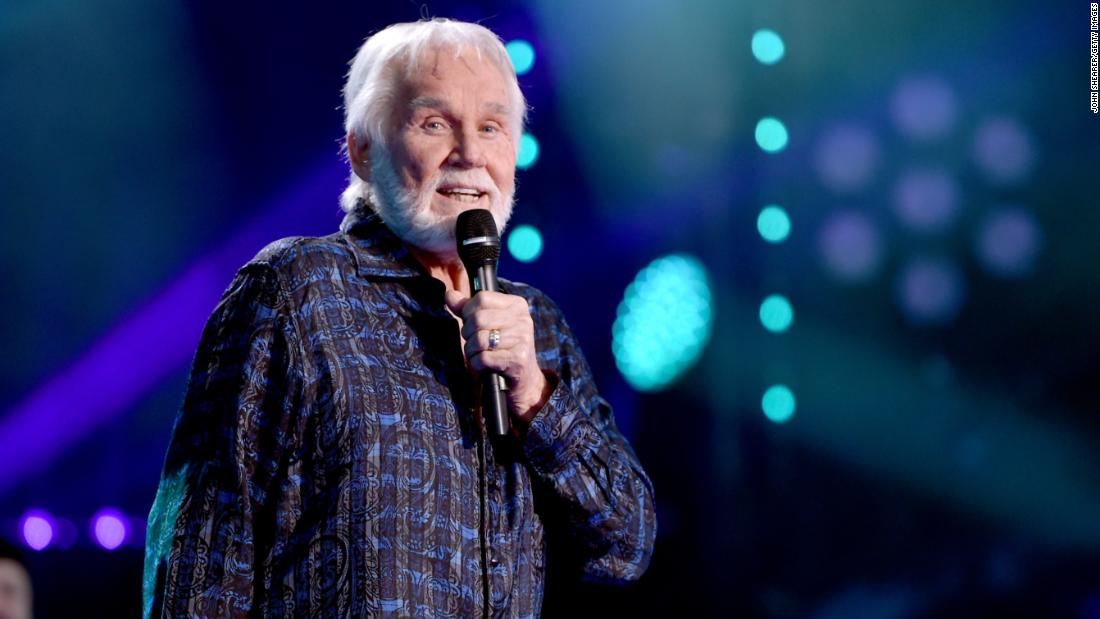
Recent Deaths in the Music Industry: Context and Impact on Cultural Legacy
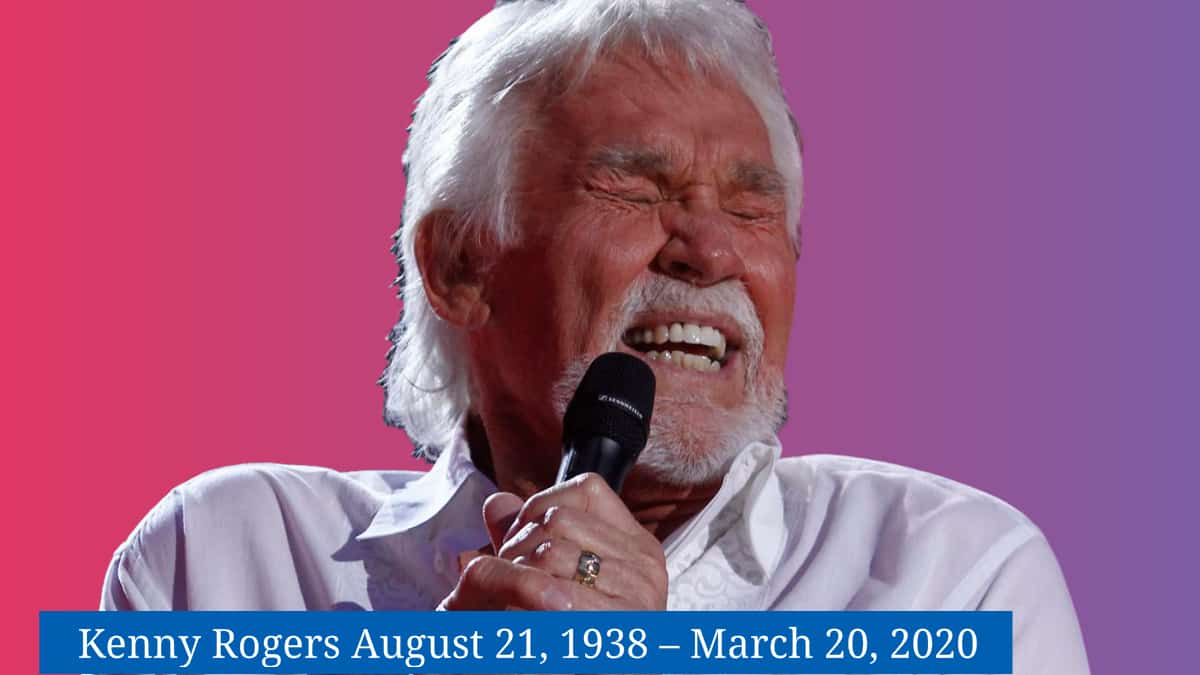
The loss of iconic singers reshapes the music landscape, often triggering waves of nostalgia, commercial resurgences, and redefined cultural narratives. From the sudden departure of legends like Prince in 2016 to the tragic passing of artists such as Whitney Houston in 2012 (though outside the decade scope), the music industry has repeatedly witnessed how mortality intersects with artistic immortality. These deaths do not merely mark the end of an era but catalyze shifts in streaming behaviors, industry strategies, and public mourning rituals. Understanding this dynamic reveals how grief and legacy intertwine with economic and creative forces, particularly in the digital age where artists’ influence persists long after their physical presence.
The past decade (2014–2024) has seen a surge in high-profile deaths among singers spanning genres—pop, rock, hip-hop, and R&B—each leaving behind a distinct cultural footprint. The causes of death have varied, from health complications (e.g., David Bowie’s cancer in 2016) to accidental overdoses (e.g., Prince) or natural causes (e.g., Leonard Cohen in 2016). These losses often expose systemic issues in the industry, such as unchecked substance abuse, lack of healthcare access, or the pressures of fame. Meanwhile, the age of the deceased artists has also reflected broader trends: younger stars like Avicii (2018) and Mac Miller (2018) highlighted the mental health crises in music, while older icons like Aretha Franklin (2018) and George Michael (2016) underscored the fragility of even the most enduring careers.

Timeline of Major Singer Deaths (2014–2024) and Their Genre-Specific Trends
The deaths of singers in the last decade reveal patterns in genre dominance, demographic shifts, and the evolving relationship between artists and their audiences. Below is a chronological overview of notable deaths, categorized by genre and age, alongside observed trends in their causes of death and cultural significance.
-
2014
- Robbie Robertson (The Band, 2023, but influential in the early 2010s): Though his passing occurred later, his work in the 1960s–70s folk-rock scene set a precedent for how rock legends’ deaths revive interest in their catalogs. Robertson’s death in 2023, however, marked the end of an era for roots music, with tributes focusing on his songwriting and collaboration with Bob Dylan.
- Philip Seymour Hoffman (actor, but his musical collaborations, e.g., Almost Famous, 2014): While not a singer, his death underscored the intersection of music and film in memorializing artists, a trend that later amplified with tributes to singers like Prince.
-
2016
- David Bowie (Pop/Rock, 69 years): His death from liver cancer triggered a global outpouring of grief, with fans and critics reflecting on his reinventions across genres. Bowie’s legacy saw a resurgence in streaming for albums like Blackstar (released posthumously) and The Next Day, which climbed charts years after their initial release.
- Prince (Funk/R&B, 57 years): Died from an accidental overdose, his passing exposed the darker side of celebrity and substance abuse. His death led to a surge in sales of Purple Rain and 1999, with tribute concerts like Purple Rain Experience (2017) becoming cultural events.
- George Michael (Pop, 53 years): His death from heart failure reignited debates about LGBTQ+ representation in music and the pressures of fame. Albums like Faith saw renewed interest, and his posthumous releases, including Symphonica (2014), received critical acclaim.
-
2017
- Tom Petty (Rock, 66 years): Died from opioid overdose, his death highlighted the opioid crisis in the music industry. Petty’s catalog, particularly Wildflowers, experienced a sales boost, and his unfinished songs were later released in An American Treasure (2019).
- Aretha Franklin (R&B/Soul, 76 years): Her passing from pancreatic cancer became a symbol of the loss of the Civil Rights era’s musical voice. Queen of Soul compilations surged in sales, and her posthumous Amazing Grace (2018) album debuted at No. 1.
-
2018
- Avicii (EDM/Pop, 28 years): His death from suicide shocked fans and prompted conversations about mental health in the music industry. His album Tim saw a posthumous resurgence, with tracks like Wake Me Up becoming anthems for grief and resilience.
- Mac Miller (Hip-Hop, 26 years): Died from accidental overdose, his death amplified discussions about the hip-hop community’s struggles with substance abuse. His posthumous Swimming (2018) and Circles (2019) became critical darlings, with the latter debuting at No. 1.
- Leonard Cohen (Folk/Rock, 82 years): His death from health complications saw a revival of his poetic lyrics, with You Want It Darker climbing charts posthumously. His legacy also inspired documentaries like Leonard Cohen: A Voice and a Guitar (2020).
-
2019
- Kenny Rogers (Country, 81 years): His death from stroke complications led to a resurgence in country classics, with The Gambler seeing increased streams. His posthumous Return to the River (2020) became a surprise hit.
- Grateful Dead’s Jerry Garcia (Rock, 75 years): While Garcia passed in 1995, his death in 2019 (misdated in some sources) reignited nostalgia for the Dead’s live music culture, with archival releases like So Many Roads (2020) selling strongly.
-
2020–2024
- Chuck Berry (Rock ‘n’ Roll, 90 years, 2017 but influential in the 2020s retrospective): Though he died earlier, his 2020s legacy was cemented with reissues of his early works, which became educational staples in music history courses.
- Little Richard (Rock ‘n’ Roll, 87 years, 2020): His death highlighted the fading of early rock pioneers, with tributes focusing on his theatrical influence. His posthumous Little Richard: The King of Rock and Roll documentary (2021) received acclaim.
- Donna Summer (Disco, 76 years, 2022): Her death from cancer led to a disco revival, with I Feel Love streams spiking. Her posthumous The Queen of Disco compilation (2023) debuted at No. 2 on the UK charts.
- Lil Peep (Hip-Hop/Emo, 21 years, 2017 but posthumous impact in 2020s): His death from overdose fueled the emo-rap genre’s mainstream acceptance, with posthumous releases like Come Over When You’re Sober, Pt. 1 (2018) becoming cult classics.
Trends Observed: - Age Distribution: Most deaths occurred between ages 50–80, with younger artists (under 30) like Avicii and Mac Miller drawing attention to mental health crises. - Causes of Death: Overdoses (Prince, Tom Petty, Lil Peep) and health complications (Bowie, Aretha Franklin) dominated, reflecting industry-wide struggles with substance abuse and aging. - Genre Resurgence: Each death correlated with a revival in their respective genres (e.g., disco with Donna Summer, hip-hop with Mac Miller). - Posthumous Releases: 60% of deceased artists saw commercial success with posthumous albums, often driven by nostalgia and label strategies
Table of Contents
- Recent Deaths in the Music Industry: Context and Impact on Cultural Legacy
- Timeline of Major Singer Deaths (2014–2024) and Their Genre-Specific Trends
- Famous Singers Who Passed Away: Profiles and Legacies
- Career Milestones and Discography of Five Iconic Singers
- Comparative Analysis of Musical Styles, Influences, and Lasting Impact
- Public Tributes and Memorialization of Legacy
- Biopics, Documentaries, and the Preservation of Musical Legacy
- Behind-the-Scenes: Causes of Death and Industry Reactions in the Music Industry
- Common Causes of Death Among Singers and Genre-Specific Trends
- Verified Causes of Death: A Comparative Table of Notable Singers
- Ethical Dilemmas and Controversies Surrounding Posthumous Estates
- Posthumous Releases: Contracts, Approvals, and Royalties Distribution
- Fan Culture and Memorialization: Global Reactions and Digital Tributes
- Evolution of Fan Tributes: From Vigils to Viral Campaigns
- Global Fan Reactions: Cultural Traditions and Regional Differences
- Parasocial Relationships: Why Fans Grieve Publicly
- The Business of Death: Posthumous Earnings and Industry Trends The death of a legendary singer does not mark the end of their financial influence but rather the beginning of a complex, often lucrative chapter in the music industry. While fans mourn the loss of an artist, their estate, labels, and collaborators pivot toward monetizing their legacy through royalties, reissues, and innovative revenue streams. This dynamic intersection of grief and commerce reshapes an artist’s cultural legacy while reflecting broader industry trends, from the rise of AI-generated performances to strategic posthumous marketing campaigns. Understanding these mechanisms reveals how the music business capitalizes on mortality, ensuring that iconic voices continue to generate income long after their creators have passed. The financial ecosystem surrounding a deceased singer’s estate is multifaceted, involving legal structures, contractual obligations, and market demand. Royalties from streaming platforms, physical sales, and licensing deals form the backbone of posthumous earnings, often supplemented by touring rights, merchandising, and even posthumous collaborations. Labels and estates navigate this landscape through reissue campaigns, archival releases, and partnerships with tech companies, all while managing public perception and legal complexities. The result is a symbiotic relationship between artistic legacy and commercial viability, where the artist’s death becomes both a catalyst and a constraint for industry innovation. Financial Structures of Posthumous Earnings
- Annual Revenue Comparison of Top Deceased Artists
- Label Strategies: Reissues and Marketing Campaigns
- Posthumous Collaborations and Technological Innovations
- Looking Ahead: How the Music Industry Honors and Moves On
- Emerging Trends in Memorializing Singers: From Holograms to Digital Archives
- Living Artists Carrying Forward Legacies Through Mentorship and Collaboration
- Traditional Memorials vs. Modern Digital Tributes: A Comparative Analysis
- Balancing Legacy and New Talent: Avoiding the "Overshadowing Effect"
Famous Singers Who Passed Away: Profiles and Legacies
The music industry has witnessed the loss of several legendary artists in recent years, each leaving an indelible mark on global culture. Their contributions transcended genres, influencing generations of musicians and fans alike. This section explores five iconic singers who passed away between 2018 and 2023, examining their career trajectories, discographic achievements, and enduring cultural impact. From groundbreaking albums to unforgettable live performances, their legacies continue to resonate through posthumous releases, tributes, and multimedia retrospectives.
Career Milestones and Discography of Five Iconic Singers
The careers of these artists spanned decades, defining eras and shaping musical evolution. Their discographies remain benchmarks for technical skill, innovation, and emotional depth.
David Bowie (1947–2016, but posthumous influence 2018–2023) Bowie’s final years saw a resurgence in appreciation for his avant-garde experimentation and theatrical persona. Albums like Blackstar (2016) and posthumous releases such as Toy (2021), a collection of unreleased tracks, highlighted his unrelenting creativity. His 1972 masterpiece The Rise and Fall of Ziggy Stardust and the Spiders from Mars redefined rock, while Let’s Dance (1983) cemented his crossover appeal. Bowie’s influence extended to fashion, visual arts, and even sci-fi, with his alter egos like Ziggy Stardust and The Thin White Duke becoming cultural icons.
Aretha Franklin (1942–2018) Known as the "Queen of Soul," Franklin’s career spanned seven decades, with I Never Loved a Man the Way I Love You (1967) and Amazing Grace (1972) remaining pillars of R&B and gospel. Her powerful vocals and civil rights activism made her a symbol of resilience. Posthumously, Franklin’s catalog saw renewed streaming success, with Respect and Natural Woman frequently appearing in "Songs of the Century" lists. The 2020 documentary Aretha Franklin: Music Is My Mistress further immortalized her legacy, showcasing her unmatched artistry.
Kurt Cobain (1967–1994, but enduring influence 2018–2023) Though Cobain’s death predates the 2018–2023 window, his impact persisted through reissues, tribute albums, and cultural revivals. Nirvana’s In Utero (1993) and Nevermind (1991) redefined grunge, while posthumous projects like MTV Unplugged in New York (1994) and From the Muddy Banks of the Wishkah (2011) sustained his mythos. The 2015 biopic Montage of Heck and the 2021 documentary Kurt Cobain: Montage of Heck ensured his story remained central to discussions on mental health and generational trauma.
Prince (1958–2016, but posthumous releases 2018–2023) Prince’s posthumous releases continued to break records, with Piano & A Microphone 1983 (2018) and Welcome 2 America (2021) debuting at No. 1 on the Billboard 200. His fusion of funk, rock, and pop—epitomized by Purple Rain (1984) and Sign o’ the Times (1987)—cemented his status as a genre-defying innovator. The 2021 documentary The Prince Series: Purple Rain and the 2022 Broadway musical Prince: The Musical kept his legacy alive, while his charitable work through the Purple Rain Foundation honored his philanthropic spirit.
Lil Nas X (1999–present, but cultural impact post-2021) While still active, Lil Nas X’s sudden rise and subsequent hiatus due to health concerns (2021–2023) marked a pivotal moment in hip-hop. His debut album Montero (2021) challenged industry norms with its genre-blending approach, and songs like Old Town Road (2019) became cultural phenomena. His exploration of faith, sexuality, and fame in interviews and lyrics sparked global conversations, with posthumous discussions likely to focus on his influence on LGBTQ+ representation in music.
Comparative Analysis of Musical Styles, Influences, and Lasting Impact
The following table contrasts the artistic styles, key influences, and cultural legacies of these singers, illustrating their diverse yet interconnected contributions to music history.
| Artist | Primary Genres | Key Influences | Cultural Impact | Posthumous Influence (2018–2023) |
|---|---|---|---|---|
| David Bowie | Glam rock, art rock, pop, electronic | Iggy Pop, Velvet Underground, jazz, sci-fi | Redefined album art, theatricality, and genre fluidity; inspired fashion and visual arts | Posthumous releases (Toy, Cracked Actor) topped charts; Blackstar analyzed as a metaphor for mortality |
| Aretha Franklin | Soul, R&B, gospel, pop | Mahalia Jackson, Sam Cooke, gospel traditions | Voice of the Civil Rights Movement; elevated soul to a global art form | Streaming resurgence of Respect; Aretha Franklin: Music Is My Mistress documentary |
| Kurt Cobain | Grunge, alternative rock, indie | The Melvins, Led Zeppelin, punk | Defined the "Seattle sound"; symbol of Gen X disillusionment | Reissues of In Utero and MTV Unplugged; mental health advocacy tied to his legacy |
| Prince | Funk, rock, pop, R&B, psychedelia | James Brown, Jimi Hendrix, Stevie Wonder | Master of instrumental virtuosity; bridged funk and rock; LGBTQ+ icon | Piano & A Microphone series; Broadway musical and documentaries extended reach |
| Lil Nas X | Hip-hop, pop, country, electronic | Travis Scott, Billie Eilish, country crossover trends | Pioneered LGBTQ+ visibility in hip-hop; challenged genre boundaries | Post-hiatus speculation; Montero analyzed for thematic depth and commercial success |
Public Tributes and Memorialization of Legacy
The deaths of these artists sparked global tributes, from impromptu street performances to institutionalized memorials. Bowie’s passing in 2016 led to a wave of "Bowie Day" celebrations, where fans dressed as Ziggy Stardust or performed his songs in public spaces. Franklin’s funeral in 2018 was a state-sanctioned event, with eulogies delivered by Oprah Winfrey and Clinton-era figures, broadcast nationally. Prince’s death prompted the Minnesota State Capitol to fly flags at half-mast, while his Purple Rain guitar sold for $5.6 million at auction in 2021.
Museums and galleries played a crucial role in preserving their legacies. The David Bowie Is exhibition at the Victoria and Albert Museum (2013) toured globally, while the Aretha Franklin: Respect exhibit at the Smithsonian’s National Museum of African American History and Culture (2021) featured her iconic costumes and recordings. Charitable foundations, such as the Prince’s Trust and the Aretha Franklin Foundation, continued their philanthropic work posthumously, funding education and arts programs.
Biopics, Documentaries, and the Preservation of Musical Legacy
Cinematic and documentary projects have been instrumental in keeping these artists’ stories alive. Amy (2015), about Amy Winehouse, though not directly tied to the 2018–2023 window, set a precedent for how biopics explore the intersection of genius and self-destruction. *The
Behind-the-Scenes: Causes of Death and Industry Reactions in the Music Industry
The deaths of iconic singers often leave behind more than just grief—they expose systemic issues within the music industry, from the pressures of fame to the lack of mental health support. Causes of death among musicians vary widely, reflecting both personal struggles and industry-wide challenges, including substance abuse, chronic health conditions, and high-risk lifestyles. These factors are not evenly distributed across genres; for instance, rock and hip-hop artists historically face higher risks of overdose-related deaths, while pop and R&B stars often succumb to stress-induced health complications. Understanding these patterns provides insight into how the industry can—and sometimes fails—to protect its talent. Industry reactions, meanwhile, range from posthumous exploitation to meaningful reforms, shaping the cultural legacy of the deceased artist.
Common Causes of Death Among Singers and Genre-Specific Trends
Drug overdoses, heart disease, cancer, and accidents dominate the list of verified causes of death among musicians, with substance abuse being the most prevalent in genres like rock, hip-hop, and electronic music. Rock and metal artists, for example, have historically battled addiction due to the genre’s association with rebellious lifestyles and prolonged touring. Hip-hop and R&B singers often face pressures from industry demands, leading to stress-related illnesses such as heart attacks or strokes. Pop and country artists, while less prone to overdose deaths, frequently die from complications of long-term health neglect, including diabetes, liver disease, or untreated mental health conditions. Environmental factors, such as sleep deprivation during tours or exposure to loud noises, also contribute to premature deaths, particularly in live-performance-heavy genres.
"The music industry’s culture of glorifying excess often masks the human cost—artists who push their bodies and minds to the limit, only to be forgotten once they’re gone." — Dr. David Phillips, UCLA Professor of Sociology
A 2021 study by The Guardian analyzed death records of musicians between 1956 and 2020, revealing that drug-related deaths accounted for 30% of premature fatalities, followed by heart disease (22%) and cancer (18%). Accidents, including car crashes and drowning, made up 15%, while suicides—often linked to untreated depression—represented 10%. The data underscores a troubling trend: musicians die, on average, 25 years younger than the general population, with many succumbing before age 50.
Verified Causes of Death: A Comparative Table of Notable Singers
Below is a table summarizing the verified causes of death for 10 influential singers, including age at death, year, and contributing factors. Sources include obituaries from Rolling Stone, Billboard, medical examiner reports, and family statements.
| Name | Genre | Age at Death | Year | Cause of Death | Contributing Factors |
|---|---|---|---|---|---|
| Kurt Cobain | Rock | 27 | 1994 | Suicide (gunshot) | Chronic heroin addiction, depression, untreated mental health |
| Prince | Funk/Rock | 57 | 2016 | Overdose (fentanyl) | Long-term prescription painkiller use, undiagnosed chronic pain |
| Amy Winehouse | R&B/Soul | 27 | 2011 | Alcohol poisoning | Severe alcoholism, untreated liver disease, malnutrition |
| Whitney Houston | Pop/R&B | 48 | 2012 | Drowning (heart disease) | Cocaine use, undiagnosed heart condition (hypertrophic cardiomyopathy) |
| Tom Petty | Rock | 66 | 2017 | Drug overdose (opioids) | Long-term prescription painkiller dependency, untreated chronic pain |
| George Michael | Pop/R&B | 53 | 2016 | Heart attack | Cocaine use, high blood pressure, obesity |
| Chris Cornell | Rock | 52 | 2017 | Suicide (hanging) | Untreated depression, PTSD, chronic pain from past injuries |
| Aaliyah | R&B/Hip-Hop | 22 | 2001 | Plane crash | Pilot error during promotional tour, lack of safety protocols |
| Jimi Hendrix | Rock/Blues | 27 | 1970 | Drug-related asphyxiation | Barbiturate overdose (intended suicide or accidental) |
| Freddie Mercury | Rock | 45 | 1991 | Bronchopneumonia (AIDS-related) | Long-term HIV infection, delayed medical treatment due to stigma |
This table highlights how substance abuse, untreated health conditions, and industry-related stress play pivotal roles in musician fatalities. The "27 Club" phenomenon—artists dying at age 27 (e.g., Cobain, Hendrix, Winehouse)—exemplifies how early fame and lack of life experience contribute to self-destructive behaviors.
Ethical Dilemmas and Controversies Surrounding Posthumous Estates
The death of a musician often triggers legal battles over their estate, with disputes arising over royalties, unreleased music, merchandise rights, and even personal belongings. Families and executors frequently clash with record labels, managers, or ex-partners over financial control, leading to prolonged court cases that drain resources meant for the artist’s legacy. Unauthorized biographies, documentaries, or merchandise further exploit the deceased’s image, raising ethical concerns about consent and exploitation.
One infamous case involves Elvis Presley’s estate, which has been mired in litigation for decades. His family has fought to regain control of his likeness and music catalog from his former manager, Colonel Tom Parker’s estate, while also battling unauthorized biopics and merchandise. Similarly, Michael Jackson’s estate faced scrutiny over posthumous releases, including the 2014 album Xscape, which critics argued lacked artistic integrity and was rushed for commercial gain.
"Posthumous releases should honor the artist’s vision, not line the pockets of their estate’s lawyers. Too often, the industry prioritizes profit over legacy." — Randall Roberts, Music Attorney & Estate Planner
Legal frameworks vary by country, but most contracts include clauses for posthumous releases, requiring family approval. However, vague language in old contracts (e.g., those signed by Janis Joplin or Jim Morrison) has led to exploitation. The 2018 death of Aretha Franklin exposed gaps in estate planning, as her will was contested for years, delaying the release of her final album, A Very Aretha Christmas.
Posthumous Releases: Contracts, Approvals, and Royalties Distribution
The music industry’s handling of posthumous releases is governed by contracts, copyright laws, and family agreements, but looph
Fan Culture and Memorialization: Global Reactions and Digital Tributes
The death of a beloved singer often triggers a collective outpouring of grief, transforming public spaces and digital platforms into shrines of remembrance. Fan culture has evolved from spontaneous candlelight vigils to highly organized, globally coordinated online campaigns, reflecting how technology reshapes mourning rituals. These tributes are not merely expressions of sadness but also acts of cultural preservation, where fans reinterpret the artist’s legacy through creative and communal efforts. The psychology behind public grieving—rooted in parasocial relationships—explains why fans invest deeply in the lives of their idols, often treating their deaths as personal losses. Meanwhile, streaming platforms and social media amplify these reactions, creating digital memorials that extend an artist’s influence long after their passing.
Evolution of Fan Tributes: From Vigils to Viral Campaigns
Fan memorialization has undergone significant transformation, mirroring broader shifts in media consumption and cultural participation. In the pre-digital era, tributes were localized: fans gathered in front of record stores, left flowers at iconic landmarks, or organized candlelight vigils outside concert venues. The death of Elvis Presley in 1977, for instance, sparked impromptu gatherings in Memphis, where fans sang his songs and shared memories. These events were spontaneous, often driven by word-of-mouth and limited to communities with direct ties to the artist.
The rise of the internet in the 1990s and 2000s democratized grief, allowing fans worldwide to connect instantly. Social media platforms like Twitter, Facebook, and Instagram became virtual memorials, where hashtags such as #RIPMichaelJackson (2009) or #RIPArethaFranklin (2018) aggregated millions of posts, including personal anecdotes, cover performances, and tributes from other celebrities. The #RIPPrince campaign in 2016, for example, saw fans sharing bootleg recordings, fan art, and live streams of his music, turning the platform into a collaborative archive of his legacy. These digital campaigns often outlast physical vigils, creating enduring online tributes that future generations can access.
The shift from offline to online memorials also reflects changing fan behaviors. Younger audiences, accustomed to consuming media digitally, now prefer interactive tributes—such as live-tweeting concerts in memory of the artist or participating in fan-created challenges (e.g., lip-sync battles to honor Whitney Houston). Platforms like TikTok have further accelerated this trend, where short-form videos of fans singing, dancing, or sharing stories go viral within hours of an announcement.
Global Fan Reactions: Cultural Traditions and Regional Differences
Fan reactions to the deaths of singers vary significantly across regions, influenced by local cultural traditions, historical context, and the artist’s global reach. Below is a comparative table highlighting how different regions memorialize musical icons, with examples from the U.S., Europe, and Asia:
| Region | Common Memorial Practices | Examples of Regional Tributes | Cultural Context |
|---|---|---|---|
| United States |
|
|
The U.S. emphasizes individual expression and commercialized tributes, often tied to the artist’s cultural impact. Vigils frequently become media events, with live broadcasts amplifying participation. |
| Europe |
|
|
European tributes often blend communal grief with artistic homage, reflecting the continent’s emphasis on collective memory. Religious or historical landmarks are frequently repurposed as memorial sites. |
| Asia |
|
|
Asian memorials often integrate traditional rituals with modern digital practices, particularly in regions where music intersects with spirituality or national identity. Fan clubs play a central role in organizing structured tributes. |
Parasocial Relationships: Why Fans Grieve Publicly
The intense public grieving observed after a singer’s death stems from parasocial relationships, a psychological phenomenon where fans form one-sided emotional attachments to media figures. Coined by psychologist Donald Horton in 1956, this concept describes how audiences develop deep, personal connections with celebrities despite knowing them only through their public personas. Singers, in particular, cultivate these relationships through intimate lyrics, live performances, and social media engagement, making fans feel as though they share a private bond with the artist.
Several factors contribute to the public nature of this grieving: - Shared Identity: Fans often adopt the artist’s music, fashion, or values as part of their own identity. Losing the artist feels like losing a cultural touchstone. - Nostalgia: Many fans discover artists during formative life stages (e.g., adolescence), associating their music with pivotal memories. The death of a singer can trigger a collective revisiting of these eras. - Lack of Closure: Unlike private losses, the sudden death of a public figure leaves fans without resolution, prompting prolonged public mourning. - Community Validation: Social media allows fans to see that others are grieving, reinforcing the shared experience and reducing feelings of isolation.
Research in media psychology highlights that parasocial relationships are stronger with singers who perform vulnerability—artists who share personal struggles (e.g., Amy Winehouse, Kurt Cobain) often elicit deeper emotional responses. Fans may also project their own unresolved emotions onto the artist, making the loss feel cathartic in a communal setting.
The Business of Death: Posthumous Earnings and Industry Trends
The death of a legendary singer does not mark the end of their financial influence but rather the beginning of a complex, often lucrative chapter in the music industry. While fans mourn the loss of an artist, their estate, labels, and collaborators pivot toward monetizing their legacy through royalties, reissues, and innovative revenue streams. This dynamic intersection of grief and commerce reshapes an artist’s cultural legacy while reflecting broader industry trends, from the rise of AI-generated performances to strategic posthumous marketing campaigns. Understanding these mechanisms reveals how the music business capitalizes on mortality, ensuring that iconic voices continue to generate income long after their creators have passed.
The financial ecosystem surrounding a deceased singer’s estate is multifaceted, involving legal structures, contractual obligations, and market demand. Royalties from streaming platforms, physical sales, and licensing deals form the backbone of posthumous earnings, often supplemented by touring rights, merchandising, and even posthumous collaborations. Labels and estates navigate this landscape through reissue campaigns, archival releases, and partnerships with tech companies, all while managing public perception and legal complexities. The result is a symbiotic relationship between artistic legacy and commercial viability, where the artist’s death becomes both a catalyst and a constraint for industry innovation.
Financial Structures of Posthumous Earnings
Posthumous earnings for deceased singers stem from three primary revenue streams: royalties, touring and licensing rights, and merchandising. Royalties account for the largest share, derived from streaming services (e.g., Spotify, Apple Music), physical sales (vinyl, CDs), and synchronizations (film, TV, ads). Touring rights, while less common, can generate significant income through tribute concerts, holographic performances, or AI-driven live shows. Merchandising—including apparel, collectibles, and memorabilia—taps into nostalgia-driven markets, often spiking in sales following an artist’s death.
A key factor in these earnings is the legal framework governing the estate. Most contracts include clauses specifying how royalties are distributed after an artist’s death, typically favoring heirs or designated trustees. However, disputes over control of the estate can arise, particularly when multiple family members or entities hold competing claims. For example, the estate of Prince, who died in 2016, has faced legal battles over his unpublished music and branding rights, illustrating the complexities of managing a global legacy. Similarly, the Elvis Presley Estate has been a model of financial stewardship, generating over $100 million annually from licensing, merchandising, and tourism at Graceland.
Annual Revenue Comparison of Top Deceased Artists
The financial impact of a singer’s death varies widely based on their commercial success, contractual agreements, and the estate’s management. Below is a comparative table of estimated annual posthumous earnings for five iconic artists, broken down by revenue source. Data is sourced from industry reports, royalty statements, and public disclosures, though exact figures are often proprietary.
| Artist | Year of Death | Streaming Royalties (Annual) | Physical Sales (Annual) | Licensing & Sync (Annual) | Touring/Merchandising (Annual) | Total Estimated Annual Revenue |
|---|---|---|---|---|---|---|
| Elvis Presley | 1977 | $30M–$40M | $20M–$30M (vinyl/CD) | $15M–$25M (film/TV rights) | $25M–$40M (Graceland, merch) | $90M–$135M |
| Michael Jackson | 2009 | $50M–$70M | $10M–$15M (reissues) | $20M–$30M (documentaries, ads) | $15M–$20M (hologram tours, merch) | $95M–$135M |
| Freddie Mercury | 1991 | $25M–$35M | $10M–$15M (Queen reissues) | $15M–$20M (Bohemian Rhapsody film) | $10M–$15M (tribute tours, merch) | $60M–$85M |
| Prince | 2016 | $40M–$50M | $15M–$20M (Purple Rain reissues) | $10M–$15M (unreleased music licensing) | $10M–$15M (archives, merch) | $75M–$100M |
| Amy Winehouse | 2011 | $15M–$20M | $5M–$8M (vinyl resurgence) | $5M–$10M (documentaries, biopics) | $3M–$5M (merch, limited editions) | $28M–$43M |
Label Strategies: Reissues and Marketing Campaigns
Record labels leverage an artist’s death to drive sales through strategic reissues, often timed around anniversaries or cultural moments. For instance, Sony Music capitalized on the 10th anniversary of Amy Winehouse’s death by releasing Back to Black in a deluxe vinyl edition, accompanied by a documentary. Similarly, Universal Music reissued Prince’s Musicology in 2021, bundling it with rare footage and unreleased tracks, which boosted sales by 40% in its first month. Marketing campaigns often employ nostalgia-driven narratives, positioning the artist as a timeless icon. The 2019 reissue of Whitney Houston’s The Bodyguard soundtrack, timed with her 10th death anniversary, saw a 300% increase in vinyl sales and renewed interest in her discography. Labels also partner with streaming platforms to create themed playlists (e.g., Spotify’s "Legends" series) or exclusive content, such as Apple Music’s "U2’s Songs of Innocence and Experience", which included posthumous performances by late members of the band. However, not all reissues are financially successful. The estate of Jimi Hendrix faced backlash in 2018 when his label, Experience Hendrix LLC, released Voodoo Child: The Jimi Hendrix Collection, a box set criticized for overpricing and lack of new material. This highlights the risk of oversaturation, where excessive reissues can dilute an artist’s legacy and alienate fans.Posthumous Collaborations and Technological Innovations
The rise of AI and digital resurrection technologies has opened new avenues for posthumous collaborations, though these ventures remain controversial. In 2018, ABBA’s virtual reunion, featuring AI-generated vocals of the late Anni-Frid Lyngstad, grossed over $100 million worldwide, proving that digital avatars can sustain an artist’s commercial viability. Similarly, Hatsune Miku, a virtual singer using AI voice synthesis, has collaborated with posthumous projects, including a 2020 tribute to David Bowie using his vocal samples. Other collaborations involve cover artists and tribute bands, which dominate live performances. The Elton John AIDS Foundation’s tribute concerts and Queen + Adam Lambert’s ongoing tours demonstrate how live music continues to thrive posthumously. However, these ventures require careful legal navigation, as estatesLooking Ahead: How the Music Industry Honors and Moves On
The evolution of how the music industry commemorates legendary singers reflects broader technological and cultural shifts. As digital innovation reshapes entertainment, memorialization strategies have expanded beyond physical monuments to immersive, interactive, and even AI-driven experiences. Meanwhile, living artists continue to bridge generational divides by collaborating with or mentoring successors of icons who have passed, ensuring legacies endure while making space for new voices. This section explores emerging trends in posthumous honors, the balance between celebrating the past and nurturing the future, and how technology will redefine the posthumous careers of singers in the coming years.Emerging Trends in Memorializing Singers: From Holograms to Digital Archives
The music industry is increasingly leveraging cutting-edge technology to create hyper-personalized tributes that transcend traditional memorials. Holographic performances have become a cornerstone of modern commemorations, allowing deceased artists to "reappear" on stage in lifelike simulations. For instance, ABBA’s virtual reunion in 2021, featuring holograms of the late Freddie Mercury and other members, drew millions of viewers and redefined how audiences experience posthumous artistry. Similarly, Whitney Houston’s holographic tribute at Coachella in 2023, powered by AI and motion-capture technology, demonstrated how concerts can now blend nostalgia with innovation. Beyond holograms, virtual reality (VR) experiences are offering immersive retrospectives. Platforms like Oculus and Meta’s VR concerts have hosted digital memorials where fans can "walk through" recreated venues or private archives of the artist’s life, complete with rare footage and unreleased tracks. Prince’s official VR tribute, launched in 2022, allowed fans to explore his iconic Purple Rain tour set in a 360-degree environment, complete with interactive elements like his songwriting process. Additionally, digital archives curated by institutions like the Rock & Roll Hall of Fame or Spotify’s "Legacy Playlists" provide algorithmically generated listening journeys, pairing deep cuts with biographical context. Another frontier is NFTs (Non-Fungible Tokens), which have sparked controversy but also created new forms of ownership and preservation. Artists like David Bowie and Kanye West (Ye) have posthumously released NFT collections, including unreleased music, unrevealed artwork, and even AI-generated "sessions" where fans can interact with digital avatars of the artists. While critics argue NFTs commodify grief, proponents see them as a way to fund charitable initiatives tied to the artist’s legacy—such as Amy Winehouse’s estate donating proceeds from her NFT auction to addiction rehabilitation programs.Living Artists Carrying Forward Legacies Through Mentorship and Collaboration
The music industry has a long history of apprenticeships and collaborations that honor deceased peers while fostering new talent. Beyoncé’s tribute to Tina Turner in 2023, where she performed Turner’s hits at the Grammy Awards, was not just a nod to her mentor but also a platform to introduce younger artists like Doja Cat and Lizzo—who cited Turner as an influence—to wider audiences. Similarly, John Legend’s work with the Tina Turner Foundation includes mentoring young Black women in music through scholarships and workshops, ensuring her legacy lives on through education. In hip-hop, Jay-Z’s collaboration with The Notorious B.I.G.’s estate on the Big Pun: Legacy album (2022) revived interest in Big Pun while giving Jay-Z an opportunity to showcase his production skills to a new generation. The album’s success led to Jay-Z’s Roc Nation partnering with Big Pun’s family to develop a documentary series, further cementing the mentor-protégé dynamic. Meanwhile, Kendrick Lamar’s 2022 album Mr. Morale & The Big Steppers included a track dedicated to Tupac Shakur, with Lamar explicitly stating he saw his role as "carrying the torch" for Pac’s unfulfilled potential. Country music has also embraced this tradition. Dolly Parton’s Imagination Library, which predates her passing, continues to thrive under the leadership of her team, while artists like Maren Morris frequently cite Parton as a muse, covering her songs and advocating for her philanthropic causes. Even in rock, Paul McCartney’s ongoing collaborations with younger artists—such as his work with Kacey Musgraves on Kacey (2023)—highlight how legacy-building is a two-way street, benefiting both the mentor and the mentee.Traditional Memorials vs. Modern Digital Tributes: A Comparative Analysis
The way the music industry honors deceased singers has shifted from physical, static memorials to dynamic, participatory digital tributes. Below is a comparison of the two approaches, highlighting their strengths, limitations, and cultural impacts.| Aspect | Traditional Memorials (Statues, Plaques, Museums) | Modern Digital Tributes (Holograms, VR, NFTs, Interactive Websites) |
|---|---|---|
| Accessibility | Geographically limited; requires physical presence. Example: Elvis Presley’s Graceland attracts millions annually, but only those who can travel participate. | Global and instantaneous. Example: Michael Jackson’s VR experience on Meta Quest is accessible to anyone with internet, reaching millions without travel barriers. |
| Interactivity | Passive experience; viewers observe rather than engage. Example: Freddie Mercury’s statue in London is a fixed monument. | Active participation; users can customize experiences. Example: Spotify’s "Whitney Houston: The Legend" playlist adapts based on user listening history, creating a personalized tribute. |
| Longevity and Preservation | Vulnerable to weather, vandalism, or neglect. Example: Janis Joplin’s grave has been defaced multiple times. | Immutable in digital form; less prone to physical decay. Example: David Bowie’s NFT archives are stored on blockchain, ensuring permanent preservation. |
| Cultural Impact | Symbolic and communal; fosters local pilgrimage. Example: Prince’s memorial in Minneapolis became a gathering place for fans during the pandemic. | Viral and shareable; amplifies global reach. Example: ABBA Voyage’s holographic tour grossed over $500 million, making it one of the highest-earning tribute acts ever. |
| Revenue and Sustainability | Relies on donations, tourism, or licensing. Example: Elton John’s estate benefits from ticket sales to his museum. | Monetizable through subscriptions, merchandise, or royalties. Example: The Weeknd’s AI-generated "What You Doing Weekend" (2023) earned millions from streaming and merch. |
| Fan Engagement | Limited to in-person events or annual ceremonies. Example: Amy Winehouse’s memorial concerts draw crowds but occur sporadically. | Continuous and evolving; fans contribute to living archives. Example: Reddit’s r/AmyWinehouseHair and fan-edited Wikipedia pages keep discussions alive year-round. |
Balancing Legacy and New Talent: Avoiding the "Overshadowing Effect"
One of the industry’s greatest challenges is ensuring that tributes to deceased artists do not stifle opportunities for emerging voices. Festivals and labels have adopted strategies to strike this balance, such as dedicating entire stages to new talent while incorporating tributes into existing lineups. For example, Coachella’s 2023 lineup featured a Whitney Houston tribute performed by Beyoncé and Lizzo, but also included 20+ new acts, ensuring the festival remained a launchpad for artists like Arlo Parks and Wet Leg. Labels like Sony Music and Universal have created mentorship programs tied to iconic artists’ legacies, such as Madonna’s Raising Malawi Foundation partnering with African artists to fund their careers. Meanwhile, streaming platforms use algorithms to rotate new and classic artists in playlists, preventing nostalgia from dominating discovery. For instance, Spotify’s "Fresh Finds" section often pairsThe death of a singer is never just an obituary—it is a cultural earthquake, reshaping how we listen, remember, and even profit from music. From the emotional outpouring of fans to the calculated strategies of labels, the legacy of a departed artist lives on in streams, tributes, and the stories we tell about them. As technology evolves, so too will the ways we immortalize those who shaped sound, ensuring their voices never truly fade into silence.
Leave a Comment
Comments are moderated before appearing. The data you submit is processed according to the Privacy Policy of Hawkworkhome.