What Is Srs Surgery Explained Clearly Today
Sex reassignment surgery has evolved far beyond outdated labels, now recognized globally as gender-affirming surgery a life-altering medical intervention rooted in science and compassion. For transgender individuals, the term "SRS" carries deep significance—representing not just physical transformation but a critical step toward mental health and self-actualization, backed by decades of medical and psychological research. While historical stigma once framed these procedures as experimental, today’s standards, including those from the World Professional Association for Transgender Health (WPATH), emphasize a patient-centered approach prioritizing informed consent and holistic well-being.
The journey toward gender confirmation surgery begins long before the operating room, demanding rigorous medical evaluations, psychological assessments, and legal considerations that vary dramatically across regions. From hormone therapy requirements to mandatory therapy durations, the prerequisites reflect both progress and persistent challenges, including cultural biases and systemic barriers that delay access for many. Meanwhile, surgical techniques have advanced rapidly, offering options like phalloplasty with improved sensation outcomes or vaginoplasty with personalized recovery plans, all while addressing complications with transparency and evidence-based care.
Understanding Sex Reassignment Surgery: Evolution, Terminology, and Medical Foundations

Sex Reassignment Surgery (SRS) represents a critical medical intervention for transgender and gender-diverse individuals seeking physical alignment with their gender identity. Over the past century, the terminology surrounding these procedures has evolved significantly, reflecting broader shifts in medical ethics, cultural understanding, and human rights. Modern frameworks now emphasize gender-affirming surgery (GAS) and gender confirmation surgery (GCS) as more precise and respectful descriptors, prioritizing the affirmation of an individual’s self-identified gender over outdated notions of "sex reassignment." This evolution underscores a fundamental shift from pathologizing gender nonconformity to recognizing it as a natural variation of human identity. Medical and psychological guidelines, such as those from the World Professional Association for Transgender Health (WPATH), now frame these surgeries as essential components of gender-affirming care, essential for improving mental health outcomes, reducing gender dysphoria, and enhancing overall well-being.
The historical trajectory of SRS is marked by pivotal milestones that illustrate the intersection of medical innovation, societal attitudes, and legal recognition. Early explorations in the 20th century laid the groundwork for contemporary practices, while the latter half of the century saw the formalization of surgical techniques and the emergence of advocacy movements. Today, gender-affirming surgeries are conducted under rigorous medical standards, ensuring safety, efficacy, and alignment with the patient’s informed consent and autonomy.
Terminological Evolution: From "Sex Reassignment" to Gender-Affirming Care
The terminology used to describe surgeries for gender transition has undergone substantial changes, reflecting broader societal and medical progress. Terms like "sex reassignment surgery" emerged in the mid-20th century, often tied to early medical experiments and pathologizing frameworks that viewed gender nonconformity as a disorder. By the late 20th and early 21st centuries, the medical community and advocacy groups began advocating for more inclusive and accurate language. The shift toward "gender-affirming surgery (GAS)" and "gender confirmation surgery (GCS)" reflects a paradigm shift from correcting an assumed "error" in biological sex to affirming an individual’s true gender identity.
Gender-affirming surgery is not merely a medical procedure but a life-affirming intervention that aligns a person’s physical body with their deeply held sense of self, thereby reducing distress and improving quality of life.
The following table compares key terms, their historical contexts, and contemporary usage to highlight the importance of language in fostering respect and accuracy:
Table of Contents
- Understanding Sex Reassignment Surgery: Evolution, Terminology, and Medical Foundations
- Terminological Evolution: From "Sex Reassignment" to Gender-Affirming Care
- Historical Timeline: Milestones in the Development of Gender-Affirming Surgery
- Medical and Psychological Prerequisites for Sex Reassignment Surgery
- Medical Evaluation Process and Multidisciplinary Involvement
- Step-by-Step Psychological Screening and Diagnostic Protocols
- Legal Requirements for SRS Across Regions: A Comparative Analysis
- Types of Gender-Affirming Surgeries: Procedures, Goals, and Recovery
- Female-to-Male (FTM) Gender-Affirming Surgeries
- 1. Mastectomy (Top Surgery)
- 2. Phalloplasty: Construction of a Neophallus
- 3. Metoidioplasty: Clitoral Release and Phallic Lengthening
- Male-to-Female (MTF) Gender-Affirming Surgeries
- 1. Orchiectomy: Removal of Testes
| Term | Definition | Usage Context | Cultural Sensitivity Notes |
|---|---|---|---|
| Sex Reassignment Surgery (SRS) | A historical term referring to surgical procedures aimed at altering primary or secondary sex characteristics to match a person’s gender identity. | Primarily used in older medical literature and legal documents; now considered outdated in many professional and activist circles. | Can imply a binary understanding of sex and gender, potentially pathologizing transgender identities. Avoid using this term unless referencing historical contexts. |
| Gender-Affirming Surgery (GAS) | A contemporary term emphasizing the affirmation of a person’s gender identity through surgical interventions, including genital, chest, and facial surgeries. | Preferred in modern medical, psychological, and advocacy contexts. Aligns with WPATH and other global health standards. | Recognizes gender as a spectrum and avoids framing transition as a "reassignment" or correction. Emphasizes empowerment and self-determination. |
| Gender Confirmation Surgery (GCS) | Used interchangeably with GAS, this term underscores the confirmation of an individual’s gender identity through surgical means, often in legal or administrative settings. | Common in legal documentation, insurance claims, and clinical settings where precise terminology is required. | May be perceived as overly formal in casual conversations. Best used in professional or institutional contexts. |
| Bottom Surgery | Informal term referring to genital surgeries, including vaginoplasty (for trans women) and phalloplasty/metroidioplasty (for trans men). | Frequently used in patient communities and support groups to describe specific procedures. | Can be stigmatizing if used in clinical settings without patient consent. Always prioritize the individual’s preferred language. |
| Top Surgery | Refers to chest surgeries, such as mastectomy (for trans women) or chest masculinization (for trans men). | Common in both medical and non-medical discussions about gender-affirming procedures. | Neutral and widely accepted, but avoid assuming an individual’s surgery type without confirmation. |
The evolution of terminology is not merely semantic but reflects a deeper understanding of gender as a multifaceted aspect of human identity. Medical professionals and institutions are increasingly adopting gender-neutral language and patient-centered terminology, ensuring that care is provided with dignity and respect. For example, the American Medical Association (AMA) and WPATH now explicitly recommend using terms like "gender-affirming care" to emphasize the positive and affirming nature of these interventions.
Historical Timeline: Milestones in the Development of Gender-Affirming Surgery
The history of gender-affirming surgery is a testament to the resilience of transgender individuals and the progressive advancements in medical science. Key milestones demonstrate the interplay between medical innovation, societal attitudes, and legal recognition. Below is a chronological overview of pivotal developments:
- Early 20th Century (1900s–1940s): Foundational Experiments Early explorations into gender-affirming procedures were largely experimental and often conducted without ethical standards by today’s measures. In 1917, Magnus Hirschfeld, a German physician and transgender rights pioneer, performed one of the first known orchiectomies (removal of testicles) for a transgender woman. These early cases were documented in Hirschfeld’s work Die Homosexualität des Mannes und des Weibes (1910), which laid the groundwork for understanding gender variance. However, the lack of formal medical recognition and the stigmatization of transgender identities limited progress during this era.
- Mid-20th Century (1950s–1970s): Medical Formalization and Controversy The 1950s and 1960s saw the emergence of more structured medical approaches to gender transition, particularly in the United States and Europe. Dr. Christian Jorgensen, a Danish trans woman who underwent one of the first documented vaginoplasties in 1952, became a public figure, bringing visibility to transgender experiences. Meanwhile, Dr. Harry Benjamin, a German-American endocrinologist, published The Transsexual Phenomenon (1966), which provided early medical guidelines for gender transition. However, this period was also marked by controversy, as institutions like the Diagnostic and Statistical Manual of Mental Disorders (DSM) classified gender nonconformity as a mental illness (e.g., "gender identity disorder" in DSM-II, 1968).
- Late 20th Century (1980s–2000s): Legal Recognition and Surgical Advancements The 1980s and 1990s witnessed significant legal and medical progress. In 1979, Brenda/Brendan Ann Randle became one of the first individuals to receive legal gender recognition in California without surgical requirements, setting a precedent for non-surgical transition pathways. Meanwhile, advancements in surgical techniques improved outcomes for procedures like vaginoplasty and phalloplasty. The World Professional Association for Transgender Health (WPATH, formerly Harry Benjamin International Gender Dysphoria Association) was founded in 1979, providing standardized guidelines for gender-affirming care. By the late 1990s, the DSM-IV reclassified gender identity as a "disorder of sex development," reflecting a shift toward viewing it as a medical condition requiring care rather than a moral failing.
-
21st Century (2010s–Present): Global Standards and Human Rights Recognition
The 21st century has seen unprecedented advancements in gender-affirming care, driven by global advocacy, medical research, and legal reforms. In 2013, the American Psychiatric Association (APA) removed "gender identity disorder" from the DSM-5, replacing it with "gender dysphoria"—a diagnosis focused on distress rather than identity itself
Medical and Psychological Prerequisites for Sex Reassignment Surgery
Sex reassignment surgery (SRS), now more commonly referred to as gender-affirming surgery (GAS), is a life-altering procedure that requires rigorous medical and psychological evaluation to ensure patient safety, mental preparedness, and long-term well-being. The prerequisites for SRS vary globally but generally include hormone therapy compliance, psychological assessments, physical examinations, and legal compliance with regional regulations. These steps are designed to mitigate risks, address potential complications, and confirm the individual’s informed decision. However, the process is not without controversy, as debates persist over the necessity of prolonged therapy, cultural biases in diagnostic criteria, and the ethical implications of gatekeeping access to care.Medical Evaluation Process and Multidisciplinary Involvement
The medical evaluation for SRS is a collaborative effort involving endocrinologists, psychologists, surgeons, and sometimes primary care physicians. Each specialist plays a distinct role in assessing the candidate’s eligibility, physical readiness, and mental health stability. The process begins with hormone therapy (HT), a prerequisite in most regions, where individuals undergo cross-sex hormone treatment for at least 12 to 24 months to align secondary sexual characteristics with their gender identity. During this period, endocrinologists monitor hormone levels (e.g., testosterone or estrogen, FSH, LH, prolactin), liver function, lipid profiles, and bone density to ensure physiological compatibility with the desired sex characteristics. Psychologists and psychiatrists conduct comprehensive mental health evaluations to diagnose gender dysphoria (GD), as outlined in the DSM-5-TR (Diagnostic and Statistical Manual of Mental Disorders, Fifth Edition, Text Revision) or ICD-11 (International Classification of Diseases, 11th Revision). Surgeons assess physical anatomy, surgical feasibility, and potential risks, such as scar formation, nerve damage, or complications from pre-existing conditions. Informed consent models, increasingly adopted in regions like the U.S. (Woolfson v. LaSalle Correctional Center, 2019) and parts of Europe (UK’s Cass Review, 2022), reduce reliance on prolonged therapy but still require medical clearance.DSM-5-TR Criteria for Gender Dysphoria (Key Excerpts): "A. A marked incongruence between one’s experienced/expressed gender and assigned gender, of at least 6 months’ duration, manifested by at least two of the following: 1. A marked desire to be of the other gender. 2. A strong preference for cross-dressing or simulating secondary sex characteristics. 3. A strong desire to be treated as the other gender. 4. A conviction that one has the feelings and reactions of the other gender. 5. A desire for hormone therapy or surgery to affirm gender. 6. In adolescents/adults, conviction that one’s primary or secondary sex characteristics are inappropriate. B. The condition is associated with clinically significant distress or impairment in social, occupational, or other areas of functioning."
Step-by-Step Psychological Screening and Diagnostic Protocols
Psychological screening for SRS is structured to ensure candidates have realistic expectations, mental stability, and a well-developed sense of gender identity. The process typically follows a multi-phase approach, though variations exist based on regional standards. Below is a standardized workflow used in many clinics:- Initial Consultation Candidates meet with a licensed mental health professional (psychologist, psychiatrist, or gender specialist) to discuss gender identity, medical history, and surgical goals. This session determines whether the individual meets basic eligibility criteria (e.g., persistent GD, no active psychosis or severe depression).
-
Diagnostic Assessment
A formal evaluation follows, using structured clinical interviews (e.g., Gender Identity/Gender Dysphoria Questionnaire, UdG Gender Identity Questionnaire) and self-reported measures (e.g., Gender Identity Scale, Transgender Identity Questionnaire). The psychologist assesses:
- Duration and consistency of gender dysphoria (minimum 2 years in most guidelines, though some adopt 12 months for adults under informed consent models).
- Life impact of GD (e.g., distress, social functioning, occupational challenges).
- Readiness for surgical transition (e.g., social transition status, support systems).
- Absence of exclusionary conditions (e.g., untreated severe mental illness, substance abuse, or unrealistic expectations).
-
Therapy and Support Requirements
Most protocols mandate regular therapy sessions (monthly or bimonthly) for 12–24 months, though shorter durations (6–12 months) are increasingly accepted in regions with informed consent policies. Therapy focuses on:
- Exploring gender identity development and its psychological underpinnings.
- Addressing mental health comorbidities (e.g., anxiety, depression, PTSD).
- Preparing for social and medical transition, including gender-affirming letters of support from therapists.
- Discussing realistic outcomes of surgery (e.g., limitations of procedures, potential complications).
Therapy Duration Variations by Region:
- U.S. (WPATH Standards of Care, 8th Edition): 12+ months of hormone therapy + therapy (varies by provider).
- UK (Cass Review, 2022): Reduced to 3–6 months for adults under informed consent, with mandatory therapy for minors.
- Canada (Ontario Model): 12 months of hormone therapy + 2 letters of support from mental health professionals.
- Germany/Netherlands: 12–24 months of hormone therapy + therapy, with some clinics adopting 6-month informed consent for adults.
-
Letters of Support and Final Approval
After completing therapy, candidates obtain formal letters of support from their mental health provider, stating:
- The individual meets DSM/ICD criteria for gender dysphoria.
- They are psychologically prepared for surgery.
- They understand risks, benefits, and limitations of the procedure.
- No contraindications (e.g., untreated mental illness) exist.
-
Post-Approval Medical Clearance
Before surgery, candidates undergo:
- Physical exams (e.g., breast/genital exams, cardiac evaluation for mastectomy candidates).
- Blood work (e.g., HIV, hepatitis, coagulation profiles, hormone levels).
- Imaging (e.g., mammograms for chest masculinization, pelvic ultrasounds for vaginoplasty).
- Consultations with anesthesiologists to assess surgical risks.
Legal Requirements for SRS Across Regions: A Comparative Analysis
Legal frameworks for SRS vary significantly by country, with differences in age consent, residency requirements, waiting periods, and mandatory evaluations. Below is a comparative table highlighting key regional policies as of 2024. Data is sourced from World Professional Association for Transgender Health (WPATH), local health ministries, and legal directives.Region/Country Minimum Age for SRS (with parental consent) Minimum Age for Independent Consent Residency Requirement Mandatory Waiting Period (Post-Diagnosis) Mandatory Psychological Therapy Duration Legal Gender Marker Change Process Notable Restrictions or Controversies United States (varies by state) 16–18 (parental consent required for minors; some states allow 16+ with judicial approval) 18 (full autonomy in most states; exceptions in TX, FL, and AL with restrictive laws) None (except for military/VA healthcare) 12–24 months (hormone therapy + therapy) 12+ months (WPATH-aligned clinics); some adopt 6 months under informed consent Court-ordered in some states (e.g., CA, NY); DMV/state ID changes vary Bans on gender-affirming care for minors in TX, FL, AL, TN; insurance coverage restrictions in ID, AZ, MO European Union (varies by country) 16 (e.g., UK, Germany, Netherlands); 15 (Spain Types of Gender-Affirming Surgeries: Procedures, Goals, and Recovery
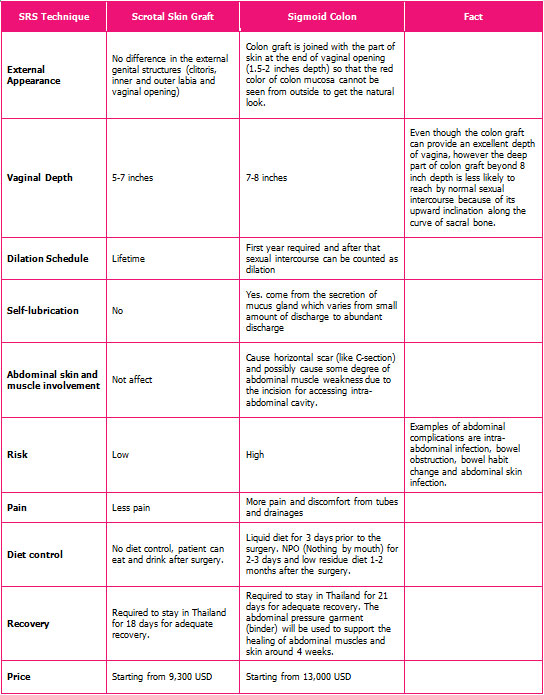
Gender-affirming surgeries, formerly termed sex reassignment surgeries (SRS), represent a spectrum of medical interventions designed to align a person’s physical anatomy with their gender identity. These procedures are tailored to individual needs, incorporating both primary surgeries (directly altering primary sexual characteristics) and secondary surgeries (enhancing facial, vocal, or other non-sexual features). Advances in surgical techniques, materials, and postoperative care have significantly improved outcomes, reducing recovery times and enhancing functional and aesthetic results. Below is a categorized breakdown of the most common gender-affirming surgeries, their anatomical transformations, surgical methods, recovery processes, and emerging trends in the field.Female-to-Male (FTM) Gender-Affirming Surgeries
FTM surgeries focus on removing breast tissue, constructing a phallus, and, in some cases, creating a scrotum and testes. These procedures are often performed in stages, with mastectomy frequently serving as the initial step. The choice of subsequent surgeries—such as phalloplasty or metoidioplasty—depends on patient goals, anatomical factors, and lifestyle considerations.1. Mastectomy (Top Surgery)
Anatomical Changes Achieved Pre-surgery: Presence of mammary glands, areola, and nipple structures. Post-surgery: Removal of breast tissue, reshaping of the chest into a masculine contour. Nipple-sparing techniques may preserve sensation, though sensation varies by method. Surgical Methods- Simple (Subcutaneous) Mastectomy: Removal of breast tissue while preserving the skin envelope. Ideal for patients with minimal ptosis (breast sagging). Recovery is faster, but results may lack volume in thin patients.
- Radical (Skin-Sparing) Mastectomy: Removal of breast tissue with partial skin excision, allowing for better shaping. Often combined with nipple areola complex (NAC) grafting or free nipple grafting.
- Nipple-Sparing Mastectomy: Preserves the NAC, reducing additional surgical sites. Sensation in the nipple may be partially retained, though tactile feedback is often diminished.
- Double-Incision Mastectomy: Creates a more muscular, flattened chest contour by removing excess skin vertically. Common for patients with larger breasts or significant ptosis.
Recovery Timelines- Hospital Stay: 1–3 days (varies by complexity).
- Drain Removal: 2–4 weeks (drains manage seroma fluid accumulation).
- Return to Work: 2–6 weeks (sedentary roles); 6–8 weeks for physical labor.
- Full Healing: 6–12 months (scarring stabilizes, sensation may improve slightly).
- Physical Therapy: Not typically required unless lymphedema occurs (rare post-mastectomy).
Complications- Seroma formation (fluid buildup, managed via drains).
- Scarring (often linear or horizontal; revision surgery possible for hypertrophic scars).
- Nipple necrosis (if NAC is preserved but blood supply compromised).
- Asymmetry (common; addressed in revision surgeries).
2. Phalloplasty: Construction of a Neophallus
Anatomical Changes Achieved Pre-surgery: Absence of a phallus; may include a clitoral extension (metoidioplasty alternative). Post-surgery: Functional neophallus with urethra, glans, and scrotal pouch. Sensation varies by donor site and nerve integration. Surgical Methods Phalloplasty involves tissue transfer from donor sites, followed by urethral reconstruction and scrotal creation. Common techniques include:- Radial Forearm Flap (RFF)
- Donor Site: Forearm skin, blood vessels, and nerves.
- Pros: Highly vascularized, reliable sensation (if nerves are grafted), and functional length (6–8 cm erect).
- Cons: Visible scar on forearm; limited donor tissue if both arms are used.
- Urethral Reconstruction: Often performed in a separate stage using buccal (mouth) or lingual mucosa grafts.
- Anterolateral Thigh (ALT) Flap
- Donor Site: Thigh skin and tissue, preserving sensation if nerves are included.
- Pros: Less visible scar than RFF; can achieve longer phallus (8–10 cm erect).
- Cons: Requires longer recovery for donor site; sensation may be less precise than RFF.
- Latissimus Dorsi Flap
- Donor Site: Back muscle and skin.
- Pros: No limb donor site morbidity; used for shorter phallus reconstruction.
- Cons: Limited sensation; often combined with other flaps for better aesthetics.
Recovery Timelines- Hospital Stay: 5–7 days (phalloplasty) + additional days for urethral reconstruction.
- Drain Removal: 2–3 weeks (from flap and urethral sites).
- Physical Therapy: Critical for flap viability (compression garments for 6–12 months).
- Return to Work: 8–12 weeks (sedentary); 3–6 months for full recovery.
- Erection Function: Achieved via inflatable penile prosthesis (implanted 6–12 months post-surgery).
- Full Sensation: May take 1–2 years (nerve regeneration is gradual).
Visual Guide: Pre- and Post-Phalloplasty Anatomy PRE-SURGERY (Frontal View): | Clitoris (extended) | | Labia majora/minora intact | | No phallic structure | POST-SURGERY (Radial Forearm Flap): | Neophallus (6–8 cm erect) | | Urethral opening at tip | | Scrotal pouch (testicular | | implants optional) | | Donor site scar: forearm | Key Features:- Nerve Integration: Radial nerve grafted to ilioinguinal nerve for sensation.
- Urethra: Buccal graft tube (6–8 cm length) with stenting for 3–4 weeks.
- Scrotum: Often created from labia majora tissue or ALT flap remnants.
Complications- Flap Necrosis: Risk of partial/total tissue loss (5–10% incidence; requires revision).
- Urethral Strictures: Narrowing of the new urethra (10–20% risk; may need dilation or revision).
- Sensation Deficits: Partial or complete loss if nerves fail to regenerate.
- Prosthesis Complications: Infection, erosion, or mechanical failure (5–15% over 5–10 years).
3. Metoidioplasty: Clitoral Release and Phallic Lengthening
Anatomical Changes Achieved Pre-surgery: Clitoris buried under labia; minimal phallic projection. Post-surgery: Elongated clitoris (2–5 cm erect) with urethral lengthening. No scrotum unless additional procedures (e.g., scrotoplasty) are performed. Surgical Methods- Metoidioplasty Alone:
- Release of suspensory ligaments to extend the clitoris.
- Urethroplasty (lengthening urethra to tip of neophallus).
- With Scrotoplasty:
- Labia majora reshaped into a scrotum; testicular implants added.
- With Hysterectomy/Oophorectomy:
- Removal of uterus and ovaries (often performed concurrently for hormonal alignment).
Recovery Timelines- Hospital Stay: 1–3 days.
- Drain Removal: 1–2 weeks (if urethral reconstruction is involved).
- Return to Work: 3–6 weeks.
- Erection Function: Natural clitoral erection; prosthesis not typically needed.
- Urethral Healing: 6–12 months (strictures may require dilation).
Complications- Urethral Fistula: Abnormal connection between urethra and skin (1–5% risk).
- Clitoral Hypersensitivity: Temporary or permanent over-sensitivity.
- Scrotal Asymmetry: Common without testicular implants.
Male-to-Female (MTF) Gender-Affirming Surgeries
MTF surgeries aim to create a vulva, vagina, and, optionally, breast augmentation. The most critical procedure is vaginoplasty, often combined with orchiectomy (removal of testes) and other secondary surgeries.1. Orchiectomy: Removal of Testes
Anatomical Changes Achieved Pre-surgery: Presence of testes, scrotum, and penile structures. Post-surgery: Absence of testes; scrotal tissue may be preserved for vaginoplasty or removed. Surgical Methods- Inguinal Orchiectomy: Testes removed through incisions in the groin (minim
Gender-affirming surgery stands at the intersection of medical innovation and human rights, offering transgender individuals a pathway to align their bodies with their identities while challenging societal norms. As terminology shifts from "reassignment" to "affirmation," so too does the understanding of these procedures—no longer viewed as cosmetic but as essential healthcare. From the first pioneers of the 20th century to today’s robotic-assisted surgeries and non-invasive alternatives, the evolution reflects a broader movement toward inclusivity. Yet, obstacles remain, from legal hurdles to cultural skepticism, underscoring the need for continued advocacy, research, and global policy reforms to ensure equitable access for all.
Leave a Comment
Comments are moderated before appearing. The data you submit is processed according to the Privacy Policy of Hawkworkhome.