I Know What You Did Last Summer Redefined Horror Forever
Thirty years after its chilling debut, I Know What You Did Last Summer remains a cornerstone of 1990s horror, blending teenage rebellion with supernatural vengeance in a way that redefined slasher films. The movie’s premise—four friends haunted by a drowning victim’s vengeful spirit—wasn’t just a plot device; it became a cultural phenomenon, sparking debates about guilt, morality, and the consequences of youthful indiscretion. Unlike its predecessors, the film avoided clichéd jump scares in favor of psychological tension, using nature itself as a character to amplify dread.
The film’s impact extended beyond box office numbers, embedding itself into pop culture through memes, parodies, and endless fan theories about hidden meanings lurking beneath its surface. From the iconic boat explosion to the ambiguous ending, every frame seemed to whisper, "I’ll be watching." Its success also marked a turning point for teen horror, proving that audiences craved stories where the supernatural wasn’t just a monster—it was a mirror reflecting their deepest fears. Yet, behind the scenes, the production faced logistical nightmares, creative compromises, and a marketing strategy that would later become a blueprint for viral storytelling.

Cultural Impact and Legacy of I Know What You Did Last Summer: Redefining Teen Horror and Beyond

The 1997 slasher I Know What You Did Last Summer emerged as a defining force in 90s horror cinema, blending teenage rebellion with visceral suspense while challenging conventional slasher tropes. Its influence extended far beyond box office success, reshaping the "summer camp survival" subgenre and embedding itself into pop culture through memes, parodies, and enduring fan theories. The film’s legacy lies in its ability to merge psychological horror with coming-of-age drama, creating a template for future teen horror narratives that balanced scares with relatable youth anxieties. Its cultural milestones—from box office dominance to international reception—reveal how it transcended its genre, becoming a touchstone for horror fans and a benchmark for slasher evolution.
Redefining Teen Horror Tropes and the Birth of the "Summer Camp Survival" Subgenre
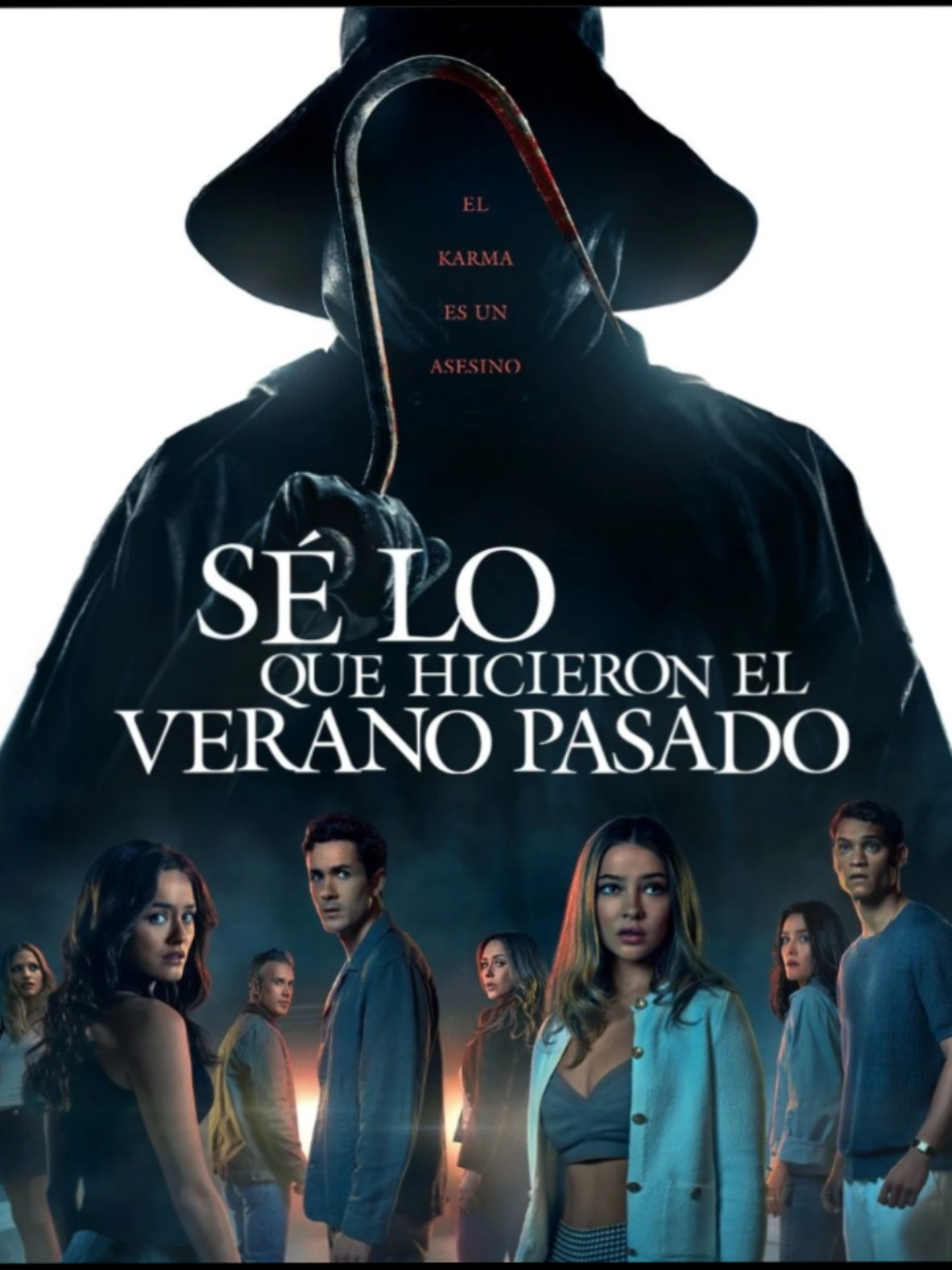
Before I Know What You Did Last Summer, teen horror films often relied on predictable formulas: masked killers, virgin-final-girl survival, and moralistic endings. The film subverted these expectations by framing its horror within the context of teenage misdeeds—drunk driving, vandalism, and arrogance—punished by an unseen, vengeful force. This shift introduced a moral ambiguity to slasher narratives, where the victims were not just random targets but flawed protagonists whose actions directly invited their fate. The "summer camp survival" subgenre, later popularized by films like Final Destination (2000) and The Final Girls (2015), traces its roots to I Know What You Did Last Summer, which proved that horror could thrive on guilt, paranoia, and the unknown rather than just jump scares.
The film’s structure—four friends haunted by a past crime—created a serialized horror experience, where each act of the killer’s revenge unfolded like a Greek tragedy. This approach influenced later teen horror, including Scream (1996), which also played with meta-narratives and audience expectations. However, I Know What You Did Last Summer stood out by grounding its horror in realism: the killer’s methods (e.g., using a boat propeller, mimicking the victims’ deaths) felt plausible and terrifying. The subgenre’s longevity can be attributed to its psychological depth, where the fear stemmed not just from the killer but from the protagonists’ inability to outrun their own guilt.
Cultural Milestones: Box Office, Awards, and Pop Culture Penetration
premiered on July 11, 1997, and quickly became a box office phenomenon, grossing $103.8 million worldwide against a $15 million budget—a 559% return, making it one of the most profitable horror films of the decade. Its success spawned a franchise (I Still Know What You Did Last Summer, 1998) and a 2014 remake, though neither matched the original’s cultural resonance. While the film earned no major awards, its influence was recognized in MTV Movie Awards and Teen Choice Awards, where it was nominated for categories like "Best Horror Film" and "Breakthrough Performance" (Jennifer Love Hewitt).
Table of Contents
- Cultural Impact and Legacy of I Know What You Did Last Summer : Redefining Teen Horror and Beyond
- Redefining Teen Horror Tropes and the Birth of the "Summer Camp Survival" Subgenre
- Cultural Milestones: Box Office, Awards, and Pop Culture Penetration
- Comparative Analysis: U.S. vs. International Reception
- Themes Compared to 1990s Horror Classics: A Table of Contrasts
- Behind-the-Scenes: Production, Challenges, and Creative Decisions in I Know What You Did Last Summer
- Script Development and Director Changes
- Casting: Balancing Star Power and Horror Credibility
- Filming Locations and Logistical Challenges
- Memorable Production Scenes and Improvisational Moments
- Character Analysis: The Protagonists and Their Psychological Depth in I Know What You Did Last Summer
- The Flaws and Motivations Shaping Helen Shivers, Julie James, and Barry Cox
- Guilt, Revenge, and Redemption Through Character Case Studies
- Comparative Analysis: Victim Relationships and Their Influence on Suspense
- Billy Loop: Subverting the Horror Villain Trope
- Nonlinear Storytelling and Its Impact on Psychological Depth
- Themes and Symbolism in I Know What You Did Last Summer : Guilt, Consequences, and the Supernatural
- Guilt as a Supernatural Trigger: The Motif of "I’ll Be Watching"
- Symbolic Scenes: Purification Through Chaos
- Nature as a Reflective Character: The Forest and Water as Mirrors of the Soul
- Comparative Analysis: Guilt and the Supernatural in Horror Cinema
The film’s pop culture impact was immediate and enduring: - Memes and Parodies: The line "You killed my brother!" became a viral catchphrase, while the film’s shocking twists (e.g., the killer’s identity) fueled countless fan edits and Scream-style meta-commentary. - Music and Fashion: The film’s grunge-meets-preppy aesthetic (flannel shirts, band tees) mirrored 90s teen fashion, and its soundtrack—featuring bands like The Verve Pipe, Bush, and Weezer—became an anthem for disaffected youth. - TV and Film References: The movie was parodied in South Park ("You Killed My Precious Pup"), referenced in The Simpsons ("Treehouse of Horror"), and even cited in legal arguments about teenage responsibility in real-life cases (e.g., a 2000 courtroom joke about "what you did last summer").
Comparative Analysis: U.S. vs. International Reception
The film’s reception varied significantly across regions, reflecting cultural attitudes toward violence, censorship, and teen morality.
| Aspect | United States | International Markets (UK, Australia, Asia) |
|---|---|---|
| Censorship | R-rated for strong violence and language, but widely distributed in theaters. | Australia: R18+ rating (considered too graphic); UK: 18-rated (BBFC cited "disturbing imagery"). |
| Audience Reactions | Initially skeptical due to the "teen slasher" stigma, but word-of-mouth boosted its status as a cult classic. | Asia (Japan, South Korea): Marketed as a psychological thriller, attracting older audiences; Europe: Praised for its atmospheric tension over gore. |
| Cultural Interpretation | Seen as a warning against teenage recklessness, aligning with 90s parental fears of youth crime. | UK/Australia: Criticized for glorifying vigilante justice; Japan: Analyzed as a metaphor for societal guilt. |
| Box Office Performance | $37.5M domestic, strong in suburban and college towns. | UK: £3.2M (~$5M at the time); Japan: ¥1.2 billion (~$9M), outperforming expectations. |
| Legacy | Inspired Y2K-era horror (The Faculty, Urban Legend). | Asia: Influenced J-horror (Dark Water, Ju-on), which adopted its psychological dread over jump scares. |
The film’s international success was partly due to its universal themes of guilt and revenge, which transcended cultural barriers. However, in regions with stricter censorship (e.g., Australia), its graphic death scenes led to backlash, whereas in Japan, it was celebrated for its cinematic craftsmanship. The U.S. market, meanwhile, embraced it as a coming-of-age horror, making it a staple of teen movie nights.
Themes Compared to 1990s Horror Classics: A Table of Contrasts
While I Know What You Did Last Summer shared DNA with other 90s horror hits, its moralistic yet ambiguous tone set it apart. Below is a comparative analysis of its themes with Scream (1996), The Craft (1996), and Urban Legend (1998):
| Theme/Element | I Know What You Did Last Summer | Scream (1996) | The Craft (1996) | Urban Legend (1998) | |||||||||||||||||||||||||||||||||||||||
|---|---|---|---|---|---|---|---|---|---|---|---|---|---|---|---|---|---|---|---|---|---|---|---|---|---|---|---|---|---|---|---|---|---|---|---|---|---|---|---|---|---|---|---|
| Protagonist Motivation | Guilt-driven; actions lead to supernatural revenge. | Survival-driven; outsmarting a killer as a game. | Self-discovery; witchcraft as empowerment. | Paranoia; urban myths as psychological torment. | |||||||||||||||||||||||||||||||||||||||
| Killer’s Identity | Revealed late; external vengeance (nature/killer). | Meta-commentary; internalized horror (audience as killer). | Ambiguous; supernatural forces (witch coven). | Never fully revealed; folklore as weapon. | |||||||||||||||||||||||||||||||||||||||
| Final Girl Trope | Modern twist: Helen’s survival tied to moral redemption, not purity. | Subverted: Sidney’s intelligence > virginity; meta-awareness. | Absent: Focus on female friendship, not survival. | Twisted: Natalie’s survival comes from luck, not virtue. | |||||||||||||||||||||||||||||||||||||||
| Visual Style | Natural horror: Water, forests,
Behind-the-Scenes: Production, Challenges, and Creative Decisions in I Know What You Did Last SummerThe production of I Know What You Did Last Summer (1997) was a high-stakes endeavor that blended creative ambition with logistical hurdles, ultimately shaping the film’s iconic status in teen horror. Adapted from Lois Duncan’s novel I’ll Be Watching, the screenplay underwent significant transformations before landing in the hands of director Jim Gillespie, whose vision—though initially different from the studio’s expectations—became pivotal in crafting the film’s eerie, sun-soaked aesthetic. Behind the camera, casting choices for Jennifer Love Hewitt, Freddie Prinze Jr., and Ryan Phillippe were strategic, leveraging their rising star power to balance teen appeal with horror credibility. Filming locations in North Carolina and South Carolina presented unforeseen challenges, from inclement weather to permit restrictions, which the crew navigated to enhance the film’s atmospheric tension. Meanwhile, the film’s marketing strategies—including a groundbreaking trailer and guerrilla tactics—redefined how horror was promoted, setting a precedent for future slasher campaigns. Practical effects dominated the production, reflecting the era’s limitations and the crew’s hands-on approach, while studio interference and ratings board demands led to notable cuts and revisions that altered the original script’s darker tone.Script Development and Director ChangesThe journey from Lois Duncan’s novel I’ll Be Watching (1973) to the final screenplay of I Know What You Did Last Summer involved multiple rewrites and a shift in creative leadership. Duncan’s original story centered on four high school students whose lives unravel after a hit-and-run accident, with the novel’s climax featuring a more explicit and psychological horror element. Early drafts of the screenplay, penned by Kevin Williamson (who would later create Scream), leaned heavily into supernatural undertones, including a ghostly presence tied to the victim’s vengeful spirit. However, studio executives at New Line Cinema sought a more grounded, suspense-driven narrative, fearing the supernatural angle would alienate audiences. Jim Gillespie, the film’s eventual director, was initially brought on to helm a darker, more psychological thriller. His vision aligned with Williamson’s early drafts, but after test screenings revealed confusion among audiences, the studio mandated a rewrite. Enter screenwriter Adam Marcus and producer Sean Daniel, who reworked the script to emphasize the killer’s identity as a local fisherman (the eponymous "Benny the Butcher") rather than a supernatural force. This shift transformed the film into a slasher with a clear, human antagonist, a decision that would later define its commercial success. Gillespie’s direction, however, remained pivotal in maintaining the film’s slow-burn tension and visual style, particularly in scenes shot under the cover of night or during stormy weather."The studio wanted a straightforward slasher, but we fought to keep the ambiguity—because that’s what makes horror work. You don’t need to see the monster to fear it." — Jim Gillespie, DirectorThe script’s evolution also addressed concerns about the film’s R-rating potential. Early versions included more graphic content, such as extended scenes of the hit-and-run accident and the victim’s decaying body. These elements were toned down to secure a PG-13 rating, a strategic move that expanded the film’s demographic appeal without sacrificing its chilling atmosphere. Casting: Balancing Star Power and Horror CredibilityThe casting of I Know What You Did Last Summer was a calculated mix of rising stars and character actors, each bringing a distinct energy to the film’s ensemble. Jennifer Love Hewitt, then best known for her role as the title character in The Client (1994), was cast as Julie James, the film’s protagonist. Hewitt’s youthful yet determined demeanor aligned with the studio’s desire to market the film as a "teen horror" experience, though her acting was initially criticized as overly stiff. Freddie Prinze Jr., fresh off his breakout role in Senseless (1998), was chosen for his boy-next-door charm, playing Helen Shivers, Julie’s best friend. His casting was strategic, as Prinze’s rising popularity in teen dramas like My So-Called Life (1994) ensured the film would attract a younger audience. Ryan Phillippe, who had gained recognition for his role in Courage Under Fire (1996), was cast as Barry William Cox, the film’s love interest. Phillippe’s ability to balance humor and vulnerability was crucial, as his character served as both comic relief and a target for the killer’s wrath. The trio’s dynamic was further strengthened by Sarah Michelle Gellar as Ray Bronson, a role that showcased her comedic timing and physicality—skills honed from her work on Buffy the Vampire Slayer (1997). Gellar’s casting was a shrewd move, as her growing fanbase from the WB series ensured cross-promotional opportunities. The film’s supporting cast included Musetta Vander (as the victim’s mother) and Brendan Sexton III (as the sheriff), both of whom brought gravitas to their roles. Sexton’s portrayal of the law enforcement figure was particularly notable, as his character’s investigation added a layer of realism to the story. The casting of local North Carolina actors for minor roles, such as fishermen and townsfolk, also contributed to the film’s authentic, small-town setting."We wanted actors who could carry the emotional weight of the story but also deliver the scares. Jennifer, Freddie, and Ryan had the star power, but it was Sarah Michelle who brought the perfect mix of humor and terror." — Sean Daniel, Producer Filming Locations and Logistical ChallengesPrincipal photography for I Know What You Did Last Summer took place over 45 days in North Carolina and South Carolina, with key locations including Wilmington, Southport, and the Crystal Coast. The film’s aesthetic—characterized by its coastal landscapes, stormy skies, and claustrophobic interiors—was heavily influenced by these real-world settings. However, filming in these areas presented numerous challenges, from unpredictable weather to bureaucratic hurdles. One of the most iconic locations was the Intracoastal Waterway, where the film’s opening scene—a hit-and-run accident followed by the disposal of the victim’s body—was shot. The crew faced logistical nightmares, including securing permits for nighttime filming on the waterway and coordinating with local authorities to avoid disrupting fishing activities. The boat explosion sequence, a centerpiece of the film, required multiple takes due to safety concerns and the difficulty of synchronizing the pyrotechnics with the actors’ movements. The explosion was achieved using practical effects, with a real boat rigged with explosives and a dummy to simulate the aftermath. Another challenge arose during the filming of the stormy beach scenes, which were shot in Southport. Heavy rainfall and high winds forced the crew to halt production for two days, delaying the schedule. Gillespie and the cinematographer, Robert Richardson (who would later win an Oscar for JFK), used the inclement weather to their advantage, leveraging the natural elements to heighten the film’s tension. The storm sequences were shot on location, with no digital enhancements, to maintain authenticity. The abandoned house where Julie and Helen hide from the killer was filmed in a derelict structure in Wilmington. The crew encountered structural instability and safety risks, requiring extensive modifications to the building. The interior shots were framed to emphasize the decay and isolation, with Gillespie using long takes and natural lighting to create an oppressive atmosphere."We didn’t want to rely on CGI for the storm scenes because it would’ve looked fake. The real rain, the real wind—it made the horror feel tangible." — Robert Richardson, Cinematographer Memorable Production Scenes and Improvisational MomentsThe production of I Know What You Did Last Summer was marked by several standout moments, from high-stakes stunt work to improvisational scenes that enhanced the film’s authenticity. Below are some of the most memorable incidents captured on set:
Nature as a Reflective Character: The Forest and Water as Mirrors of the SoulIn I Know What You Did Last Summer, nature is not merely a backdrop but an active participant in the characters’ downfall. The dense forests and dark waters of the film serve as extensions of the protagonists’ psychological states, reflecting their guilt, fear, and eventual unraveling.Comparative Analysis: Guilt and the Supernatural in Horror CinemaWhile I Know What You Did Last Summer stands out for its use of the supernatural to explore guilt, it is not alone in employing this trope. Other horror films use similar mechanisms to punish characters for their sins, though the methods and underlying themes vary. Below is a comparative breakdown of how these films leverage the supernatural to deliver moral consequences:
|
Leave a Comment
Comments are moderated before appearing. The data you submit is processed according to the Privacy Policy of Hawkworkhome.