I Know What You Did Last Summer 1997 Revived Horror Forever
I Know What You Did Last Summer (1997) didn’t just resurrect the slasher genre—it redefined it. Released at a time when horror was struggling to escape the shadow of its 1980s golden age, this film injected fresh energy into the formula, blending teen angst with relentless suspense. Its hook-wielding killer, a faceless force of vengeance, became an instant icon, while its nonlinear storytelling and atmospheric tension set a new benchmark for the genre.
The movie’s cultural impact stretched far beyond its initial theatrical run. With a marketing campaign that played on youthful paranoia and a soundtrack that mirrored the era’s pop sensibilities, it became a phenomenon that transcended borders. Critics initially dismissed it as a formulaic rehash, yet audiences embraced its raw energy, sparking debates about guilt, secrecy, and the consequences of reckless behavior. Decades later, its influence persists in everything from viral memes to modern horror franchises.

The Cultural Impact and Legacy of I Know What You Did Last Summer (1997): A Horror Genre Revival

The late 1990s marked a pivotal era for horror cinema, as filmmakers sought to reinvigorate genres that had either stagnated or evolved into clichés. I Know What You Did Last Summer (1997), directed by Jim Gillespie, emerged as a defining film of this period, revitalizing the slasher subgenre with a fresh narrative twist and a self-aware tone that resonated with a new generation of audiences. Unlike its predecessors—such as Halloween (1978) or Friday the 13th (1980)—which relied on masked killers and rural settings, this film introduced a psychological depth and a moral dilemma that forced characters (and viewers) to confront consequences. Its success wasn’t merely box office-driven; it was a cultural phenomenon that influenced marketing strategies, franchise development, and even the way horror was consumed in the digital age.
The film’s legacy extends beyond its initial theatrical run, shaping subsequent horror projects and embedding itself in pop culture through memes, music, and television references. Its aesthetic—moody lighting, intimate close-ups, and eerie coastal settings—became a blueprint for teen horror films that followed. Meanwhile, its marketing campaign, which played on mystery and guilt, set a new standard for promotional tactics in the genre. Below is an exploration of how I Know What You Did Last Summer redefined horror in the late '90s and left an indelible mark on film history.
Divergence from Slasher Conventions: How the Film Redefined the Genre
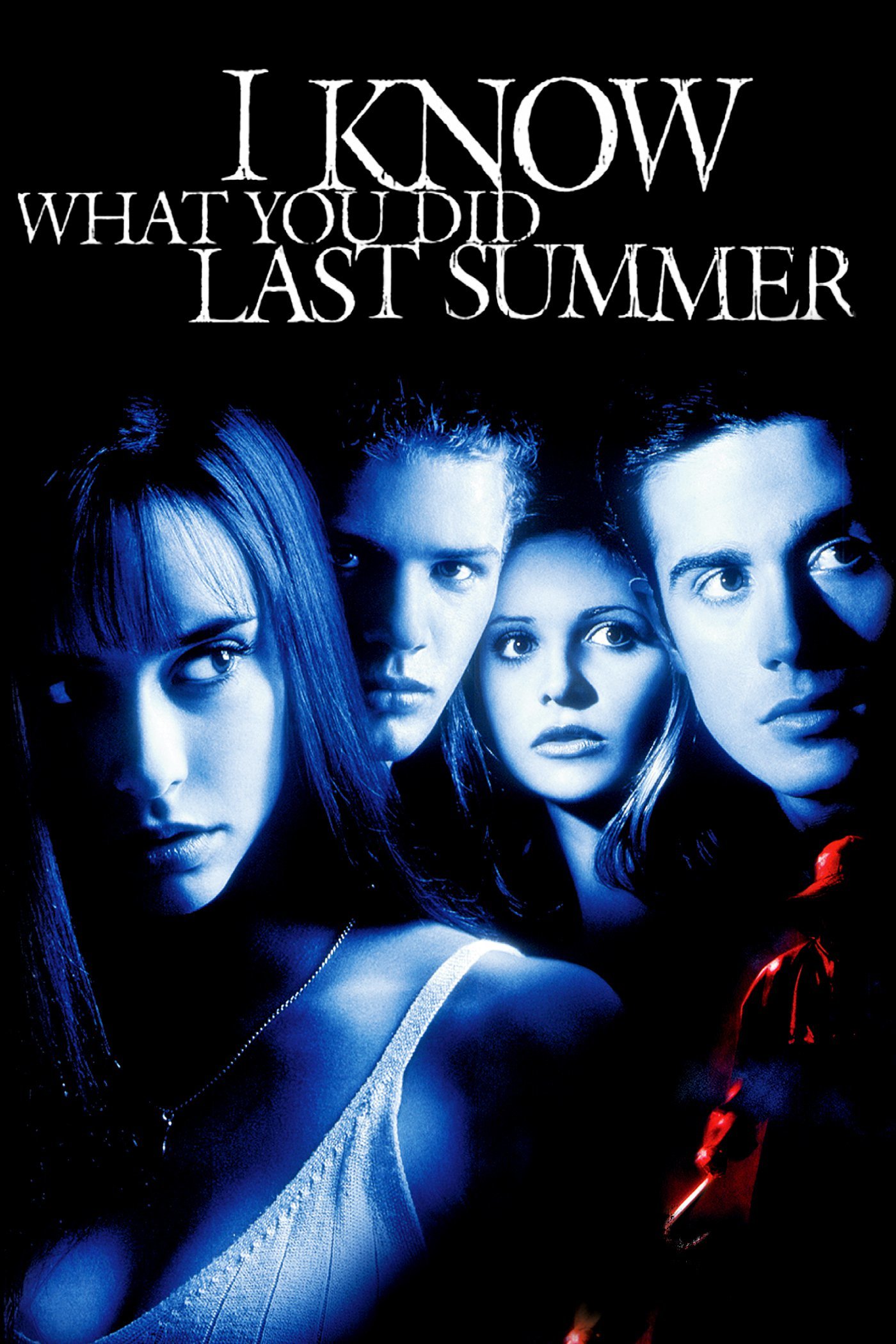
Prior to I Know What You Did Last Summer, slasher films followed a predictable formula: a masked killer stalked a group of teens in a remote location, often tied to a curse or supernatural force. Films like Halloween and Friday the 13th thrived on suspense through relentless chase sequences and graphic violence, but they lacked the introspective elements that modern audiences craved. By contrast, this film inverted the trope by shifting the focus to the aftermath of a crime rather than the act itself. The protagonists—Julie James (Jennifer Love Hewitt), Helen Shivers (Sarah Michelle Gellar), Barry William Cohen (Ryan Phillippe), and Ray Bronson (Freddie Prinze Jr.)—were already guilty of manslaughter before the film began, and their guilt drove the narrative.
This twist introduced a psychological layer absent in earlier slashers, forcing characters to confront their moral failings while evading a vengeful killer. The film’s reliance on tension rather than outright gore also distinguished it from its predecessors. While Halloween and Friday the 13th delivered visceral scares, I Know What You Did Last Summer prioritized dread through sound design, shadowy cinematography, and the looming presence of the killer (the "Butchery Bill" mask and hook). The film’s success demonstrated that horror audiences were eager for something more cerebral, paving the way for future films like Scream (1996) and The Blair Witch Project (1999), which also blended genre tropes with self-awareness and meta-commentary.
Table of Contents
- The Cultural Impact and Legacy of I Know What You Did Last Summer (1997): A Horror Genre Revival
- Divergence from Slasher Conventions: How the Film Redefined the Genre
- Box Office Performance and Critical Reception During Theatrical Release
- Marketing Strategies That Turned a Horror Film Into a Cultural Phenomenon
- Comparative Reception: U.S. vs. International Markets
- Themes and Symbolism in I Know What You Did Last Summer (1997): A Psychological and Visual Exploration
- Guilt, Secrecy, and the Weight of Past Actions Through Character Arcs
- Water as a Symbol of Danger and Purification
- Fate vs. Free Will: The Tension Between Choice and Inevitable Consequences
- Major Themes in I Know What You Did Last Summer with Key Scenes and Dialogues
- Character Analysis: Deep Dive into the Protagonists and Antagonists of I Know What You Did Last Summer (1997)
- The Hook Killer: Crafting Mystery Through Ambiguity and Symbolism
- Julie James: The Arc of Recklessness to Responsibility
- Helen Shivers: Guilt, Redemption, and the Burden of Secrecy
- Comparative Character Analysis: Flaws, Strengths, and Personal Demons
Box Office Performance and Critical Reception During Theatrical Release
premiered on February 7, 1997, under the distribution of Miramax Films, a studio known for its support of edgy, youth-oriented cinema. The film’s opening weekend was modest but promising, grossing approximately $7.5 million at the North American box office, ranking it #3 behind Twister and The Fifth Element. However, its cumulative earnings soared to $103.7 million domestically and $260.1 million worldwide, making it one of the highest-grossing horror films of the decade. This success was particularly notable given the genre’s declining popularity in the mid-'90s, as audiences had shifted toward action and comedy.
Critically, the film received mixed-to-positive reviews, with praise directed toward its suspenseful atmosphere and standout performances. Roger Ebert of the Chicago Sun-Times gave it 3 out of 4 stars, calling it "a well-made thriller that keeps you guessing." Conversely, Owen Gleiberman of Entertainment Weekly criticized its "predictable" aspects but acknowledged its "chilling" moments. The film’s R-rating (for strong violence and language) sparked debates about horror’s suitability for teens, a controversy that further fueled its buzz. Internationally, the film performed exceptionally well, particularly in Germany, the UK, and Japan, where its marketing as a "teen mystery thriller" resonated strongly.
Marketing Strategies That Turned a Horror Film Into a Cultural Phenomenon
The marketing campaign for I Know What You Did Last Summer was a masterclass in leveraging mystery and guilt, two emotions central to the film’s plot. Unlike traditional horror posters that featured masked killers or screaming victims, Miramax’s promotional materials focused on ambiguity. The iconic teaser poster depicted a shadowy figure holding a hook, with the tagline: "This summer, you’ll wish you hadn’t." This approach created intrigue, making audiences curious about the film’s premise without giving away spoilers.
Trailers emphasized sound design and silence, using eerie whispers and sudden loud noises to simulate the film’s tension. One of the most memorable trailer moments featured the killer’s hook sinking into a victim’s neck, followed by a slow zoom on a terrified face. The campaign also included interactive marketing, such as a website where users could "confess" their summer misdeeds and receive a personalized response from the film’s characters. This digital engagement was groundbreaking for 1997 and foreshadowed modern horror marketing tactics.
Comparatively, other horror films of the era relied on more traditional approaches. Scream (1996) used meta-humor and celebrity cameos in its trailers, while The Sixth Sense (1999) leaned on mystery and emotional depth. I Know What You Did Last Summer’s strategy, however, was uniquely psychological, aligning with its narrative focus on guilt and paranoia.
Comparative Reception: U.S. vs. International Markets
The film’s reception varied significantly between the U.S. and international markets, influenced by cultural attitudes toward horror, censorship, and teen films. Below is a comparative table highlighting key differences:
| Aspect | United States | International Markets | ||||||||||||||||||
|---|---|---|---|---|---|---|---|---|---|---|---|---|---|---|---|---|---|---|---|---|
| Critical Reception | Mixed-to-positive; praised for suspense but criticized for clichés. Rotten Tomatoes: 57% (Audience Score: 76%) | More uniformly positive, especially in Europe and Asia. Germany: 8/10 (Cinema Score), Japan: 3.5/5 (Kinema Junpo) | ||||||||||||||||||
| Censorship | R-rated for violence and language; some theaters edited scenes for broadcast TV. | Varies:
|
||||||||||||||||||
| Cultural Interpretation | Viewed as a teen horror film with moral undertones; debated over its suitability for younger audiences. |
|
||||||||||||||||||
| Box Office Longevity | Strong initial run; re-released in 2006 for the DVD boom, grossing an additional $15M+. |
|
Leave a Comment
Comments are moderated before appearing. The data you submit is processed according to the Privacy Policy of Hawkworkhome.