I Know What You Did Last Summer 1997 Redefined Horror Forever
Twenty-five years after its release, I Know What You Did Last Summer remains a defining chapter in 90s horror cinema, a film that didn’t just entertain but reshaped the genre’s DNA. Directed by Jim Gillespie, the movie transformed Florida’s sun-drenched landscapes into a playground of dread, blending teen angst with visceral terror in a way few films had dared. Its premise—four friends haunted by a past crime—wasn’t just a slasher plot; it was a psychological mirror reflecting the guilt and consequences of youthful recklessness, themes that resonated deeply with Gen X and early Millennials.
The film’s impact extended far beyond its runtime, sparking a cultural phenomenon that influenced everything from box office trends to fan theories and even the aesthetics of horror storytelling. While Scream had already cracked the code of self-aware slasher films, I Know What You Did Last Summer took the formula into uncharted territory by grounding its horror in real-world stakes and a killer whose identity became a macabre mystery. Its success wasn’t just measured in ticket sales—it was felt in the way it redefined what summer blockbusters could achieve, paving the way for films like The Blair Witch Project to blur the lines between fiction and reality.
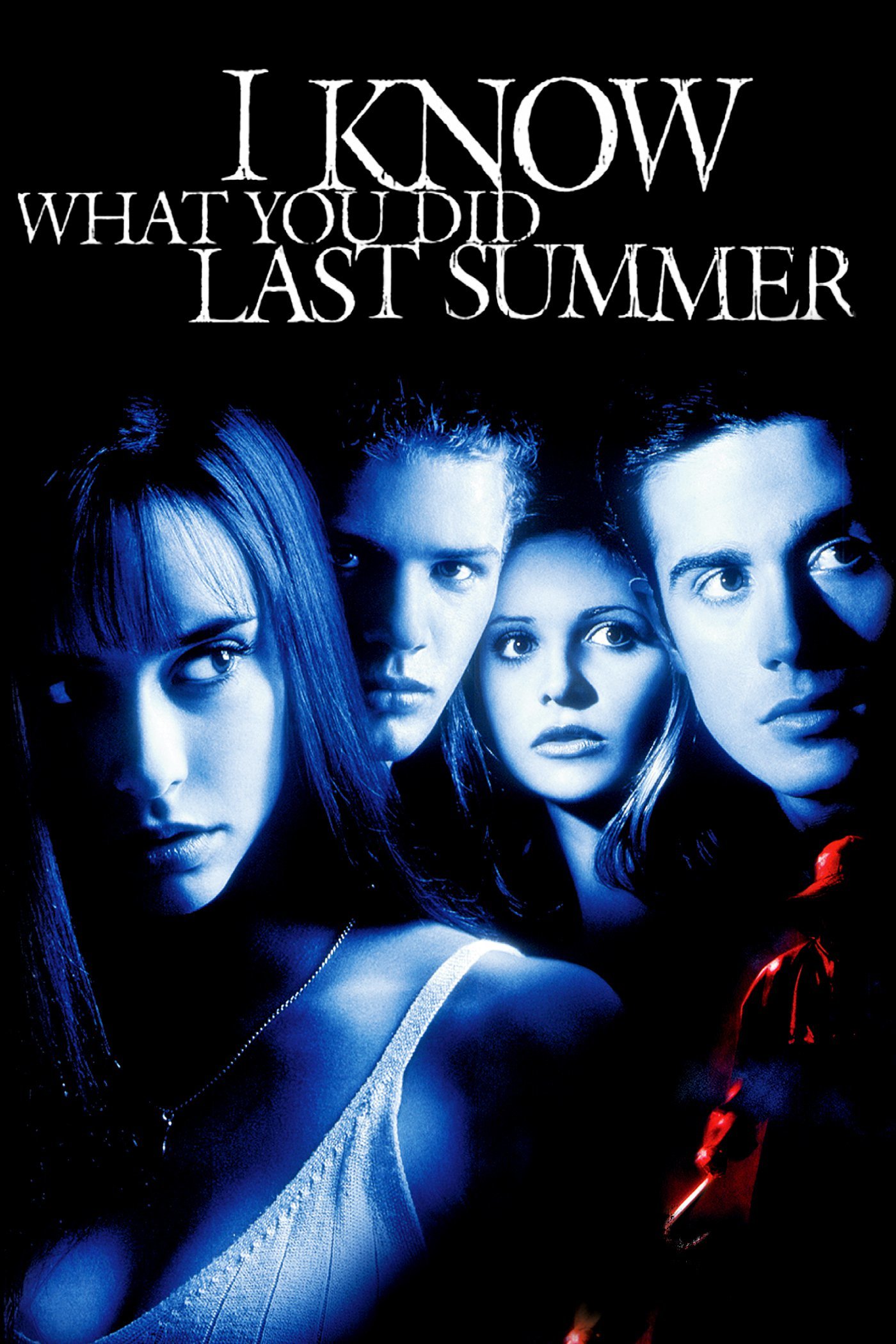
The Cultural Impact and Legacy of I Know What You Did Last Summer (1997): Redefining Teen Horror and Summer Blockbusters

I Know What You Did Last Summer (1997) emerged as a defining force in late '90s cinema, reshaping the teen horror and slasher genres with its blend of psychological tension, eerie coastal aesthetics, and a killer twist on the "what-happens-next" narrative structure. Directed by Jim Gillespie and produced by the legendary Sean S. Cunningham (Friday the 13th franchise), the film capitalized on the cultural shift toward self-aware, meta-horror that had been pioneered by Scream (1996). Its success wasn’t just a box office triumph but a cultural phenomenon that influenced marketing strategies, audience expectations, and even the way horror films were perceived as viable summer entertainment. By merging the tropes of slasher films with the introspective guilt of coming-of-age stories, the movie struck a chord with Gen X and early Millennials, who were grappling with the consequences of their actions in an era of heightened social scrutiny.
The film’s legacy extends beyond its immediate success, permeating music, television, internet culture, and even the way filmmakers approach horror today. Its impact on the "summer horror" subgenre was particularly transformative, proving that horror could thrive outside the traditional Halloween season. The movie’s marketing—centered around mystery, suspense, and an iconic tagline—became a blueprint for future horror campaigns, while its use of Florida’s natural landscapes set a new visual standard for atmospheric horror. Even decades later, references to the film’s plot, characters, and aesthetic continue to resonate, cementing its place as a cultural touchstone.
Redefining Teen Horror and the Slasher Genre’s Evolution
Before I Know What You Did Last Summer, teen horror was dominated by either campy, low-budget slashers (Sorority House Massacre) or self-referential meta-commentary (Scream). The film bridged these two worlds by adopting a grounded, character-driven approach while retaining the suspense and gore that defined the slasher genre. Its success signaled a shift toward horror that engaged audiences intellectually as well as emotionally, a trend that would later define films like The Blair Witch Project (1999) and Paranormal Activity (2007).
The movie’s influence on Scream (1996) was mutual yet distinct. While Scream deconstructed horror tropes with humor and self-awareness, I Know What You Did Last Summer leaned into psychological dread and moral consequences. The latter’s structure—where the audience knows the killer’s identity but not the victims’ fate—created a unique tension that kept viewers hooked. This narrative device was later adopted in films like The Final Destination series, where the audience’s foreknowledge of deaths heightens the suspense. Additionally, the film’s reliance on natural landscapes over urban settings influenced the "found footage" trend of the late '90s and early 2000s, as filmmakers sought to replicate its immersive, real-world horror aesthetic.
Table of Contents
- The Cultural Impact and Legacy of I Know What You Did Last Summer (1997): Redefining Teen Horror and Summer Blockbusters
- Redefining Teen Horror and the Slasher Genre’s Evolution
- Box Office Performance, Critical Reception, and Comparative Analysis with 1997 Horror Competitors
- Behind-the-Scenes: Production, Locations, and Technical Details of I Know What You Did Last Summer (1997)
- Filming Locations in Florida and Their Transformation for the Film
- Production Challenges and Logistical Hurdles
- Low-Budget Techniques and Practical Effects
- Key Crew Members and Their Contributions to the Film’s Tone
- Character Analysis: Themes, Motivations, and Portrayals in I Know What You Did Last Summer (1997)
- Character Arcs: Flaws, Growth, and the Driving Force of the Plot
- Psychological Analysis of the Killer: Script, Director’s Vision, and Fan Theories
- Depiction of Teen Behavior in the Late 1990s: Recklessness, Peer Pressure, and Consequences
Critics and filmmakers alike have noted how I Know What You Did Last Summer helped legitimize horror as a serious genre for mainstream audiences. Unlike its predecessors, which often relied on jump scares and cheap thrills, the film balanced horror with character development, making its scares feel earned. This approach paved the way for more sophisticated horror films in the 2000s, such as The Descent (2005) and Let the Right One In (2008), which prioritized atmosphere and psychological depth over gore.
Box Office Performance, Critical Reception, and Comparative Analysis with 1997 Horror Competitors
I Know What You Did Last Summer was a box office powerhouse, grossing $103.8 million worldwide against a modest production budget of $12 million. In the U.S., it debuted at #1 in its opening weekend, earning $10.3 million, a feat that solidified its status as a summer blockbuster. Its success was particularly notable given the crowded horror landscape of 1997, which included The Craft ($70 million), Urban Legend ($42 million), and The Frighteners ($100 million). While The Craft leaned into supernatural teen drama and Urban Legend embraced urban folklore horror, I Know What You Did Last Summer stood out for its relentless suspense and killer marketing.
Critically, the film received mixed reviews. The New York Times praised its "clever plotting and effective suspense," while Variety called it "a smart, slick entry in the slasher genre." However, some critics dismissed it as derivative, comparing it unfavorably to Scream. Despite this, the film’s Rotten Tomatoes score of 56% (as of 2023) reflects its polarizing reception—viewers either loved its tension and twists or found it predictable. Comparatively, The Craft earned a 67% on Rotten Tomatoes and was celebrated for its feminist themes, whereas Urban Legend scored 50%, criticized for its uneven pacing.
The film’s international reception varied significantly, with Europe embracing its suspense-driven narrative while Asian markets focused more on its gory elements. Below is a comparative table highlighting its global impact:
| Region | Box Office Performance | Cultural Significance | Notable Reviews |
|---|---|---|---|
| United States | $103.8 million (1997); $150M+ adjusted for inflation. Dominated summer box office charts. | Redefined summer horror as a viable blockbuster genre. Inspired "summer horror" trend, influencing films like The Final Destination series. Became a staple of Gen X/early Millennial nostalgia. |
|
| Europe | $20 million (UK, Germany, France combined). Stronger reception in the UK, where it was marketed as a psychological thriller. | Influenced European horror films like The Vanishing (1993) and later Let the Right One In (2008). The film’s coastal horror aesthetic was adopted in British horror-comedies (Shaun of the Dead, 2004). |
|
| Asia | $15 million (Japan, South Korea, Hong Kong). Marketed heavily for its gore and suspense elements. | Inspired J-horror films like Ringu (1998) and Dark Water (2002), though Asian audiences preferred supernatural horror over slasher narratives. The film’s marketing in Japan emphasized its "shock value," aligning with the country’s love for extreme horror. |
|
The film’s box office longevity was further extended by its home
Behind-the-Scenes: Production, Locations, and Technical Details of I Know What You Did Last Summer (1997)
The production of I Know What You Did Last Summer (1997) was a blend of creative ingenuity and logistical challenges, transforming Florida’s natural landscapes into a haunting playground for horror. Directed by Jim Gillespie, the film relied on a mix of low-budget practical effects, strategic location scouting, and a tight-knit crew to craft a summer horror classic that felt visceral and authentic. From the eerie waters of Crystal River to the backwoods of Homosassa Springs, every filming location was meticulously chosen to amplify the film’s themes of guilt, nature’s wrath, and the inescapable past. Meanwhile, technical limitations became strengths—practical effects, natural lighting, and a minimalist score created an atmosphere of dread that rivaled higher-budget productions of the era. The result was a film that not only redefined teen horror but also showcased how resourcefulness could elevate storytelling.
Filming Locations in Florida and Their Transformation for the Film
The majority of I Know What You Did Last Summer was filmed in and around Florida’s Citrus County, with key locations serving as both the setting and the characters’ psychological torment. Crystal River, a small coastal town, became the film’s primary backdrop, its calm waters hiding a sinister secret. The infamous Blackwater Creek, a narrow, winding waterway near Crystal River, was used for several pivotal scenes, including the opening drowning sequence and the climactic shark attack. The crew exploited the creek’s natural murkiness and overgrown vegetation to create an oppressive, claustrophobic environment. According to production journals, the area’s real-life reputation as a dangerous swimming spot—due to strong currents and submerged obstacles—added authenticity to the film’s perilous setting.
Homosassa Springs, a town known for its wildlife refuge, provided the dense, swampy terrain where the group’s camp was located. The Homosassa Springs Wildlife Park, though not directly featured, influenced the film’s aesthetic with its lush, untamed landscapes. The crew repurposed local roads and abandoned buildings to depict the isolated backroads where the characters’ fate unfolded. One notable transformation occurred at Three Sisters Springs, a natural spring system, which was used for underwater shots. The team had to work around strict environmental regulations, limiting their ability to alter the location but forcing them to rely on the site’s inherent eeriness.
The fishing boat, The Lady, was filmed on the Withlacoochee River, where the crew anchored it near shallow, murky waters to create the illusion of depth and danger. The boat’s weathered exterior and rusted hull were intentionally left untouched to emphasize its connection to the characters’ guilt and the decay of their youth. Local fishermen were hired as extras to populate the dock scenes, adding realism to the small-town atmosphere.
"Florida gave us everything we needed—nature did half the work for us. The water, the light, the way the trees swallowed the sound—it was like the location was conspiring to make the horror feel real." — Jim Gillespie, Director (Interview with Dread Central, 2017)
Production Challenges and Logistical Hurdles
The production of I Know What You Did Last Summer faced numerous obstacles, from unpredictable weather to bureaucratic hurdles, each of which shaped the film’s raw, unpolished aesthetic. One of the most significant challenges was working with Florida’s tropical climate. The crew filmed during the summer months, meaning they had to contend with sudden downpours, high humidity, and swarms of insects. The shark attack scene, shot in Blackwater Creek, was particularly grueling. According to cinematographer Donald Peterman, the water was so thick with algae that visibility was often limited to a few feet, forcing the crew to shoot with handheld cameras to maintain a sense of immediacy. The heat also took a toll on the cast and crew, with multiple takes lost due to exhaustion or dehydration.
Permits posed another major obstacle. Many of the filming locations were on private property or within environmentally protected areas, requiring extensive negotiations. The crew spent weeks securing permission to shoot in Blackwater Creek, only to have their plans disrupted when local authorities temporarily revoked access due to safety concerns. This led to last-minute reshoots in nearby Lake Panasoffkee, which, while visually similar, lacked the same eerie reputation. The team also struggled with limited budgets, which constrained their ability to build elaborate sets. Instead, they relied on found locations and minimal set dressing, a choice that inadvertently heightened the film’s sense of realism.
Working with young actors, particularly Jennifer Love Hewitt and Freddie Prinze Jr., presented its own set of challenges. Both were newcomers to horror, and their inexperience required extensive on-set coaching. Hewitt, who had previously starred in family-friendly TV shows like Sabrina, the Teenage Witch, was initially hesitant about the film’s darker tone. Prinze Jr., though more accustomed to dramatic roles, found the physical demands of the film—including the shark attack sequence—intense. Stunt coordinator Gary Graham recalled in a 2018 interview with Bloody Disgusting that Prinze Jr. suffered minor injuries during rehearsals, including bruised ribs from the fake shark’s impact. The crew had to balance pushing the actors’ comfort zones with ensuring their safety, often improvising solutions on the fly.
Weather-related delays were a recurring issue. The opening scene, where the characters drown in the creek, was shot during a heatwave, causing the actors to hyperventilate and lose focus between takes. The crew had to pause production for hours while waiting for the sun to dip, allowing the water to cool slightly. Similarly, the nighttime scenes required precise lighting setups, but Florida’s summer storms frequently disrupted schedules, forcing the team to reshoot entire sequences under artificial lights.
Low-Budget Techniques and Practical Effects
Despite its modest budget of $12 million (considered low for a studio-backed horror film at the time), I Know What You Did Last Summer utilized practical effects and clever cinematography to create scenes that remain iconic. The film’s most famous sequence—the shark attack—was achieved through a combination of miniature models, animatronics, and forced perspective. The shark itself was a 12-foot-long animatronic, operated by a team of puppeteers hidden beneath the water. To enhance the effect, the crew used a shrinking filter during filming, making the shark appear larger than it was when projected. The water was dyed green to obscure the mechanical joints, and the crew added real fish and debris to sell the illusion of a natural environment.
The killer’s mask, worn by Stuart Greer (played by Musetta Vander), was another standout practical effect. The mask was designed to look like a rotting, fish-like face, with exaggerated, bulging eyes and a distorted mouth. Makeup artist Greg Cannom used a combination of latex, prosthetics, and special effects makeup to create the look, which was applied in layers to ensure it could withstand the Florida heat and humidity. The mask’s design was influenced by H.P. Lovecraft’s cosmic horror, giving it an otherworldly, almost inhuman quality. Unlike later films that relied on CGI, the mask’s physicality made it more unsettling in close-ups, as the actor’s movements beneath the latex added a layer of unpredictability.
The film’s gore effects were similarly low-tech but highly effective. The drowning scene, for example, used real blood mixed with corn syrup to create a thick, viscous liquid that clung to the actors’ skin. The blood was dyed to match the murky water, and the crew used air bubbles and floating debris to simulate the struggle of drowning. In the scene where Helen’s (Hewitt) leg is severed, the effect was achieved with a practical prosthetic, which was later enhanced in post-production with subtle CGI to smooth out the edges.
The decision to use practical effects over CGI was a deliberate one, aimed at maintaining the film’s gritty, tactile feel. As Jim Gillespie explained in a 2001 interview with Fangoria:
"We wanted the audience to feel like they were there. CGI can look amazing, but it can also feel detached. With practical effects, there’s a physicality to the horror—you can hear the water, see the texture of the blood, feel the weight of the mask. That’s what makes it real."
This approach extended to the film’s sound design, where ambient noises—such as the creaking of the boat, the rustling of leaves, and the distant sound of a chainsaw—were recorded on location and layered to create a sense of paranoia. The lack of a traditional score in many scenes allowed the audience’s imagination to fill in the gaps, amplifying the tension.
Key Crew Members and Their Contributions to the Film’s Tone
The success of I Know What You Did Last Summer was heavily influenced by the collaborative efforts of
Character Analysis: Themes, Motivations, and Portrayals in I Know What You Did Last Summer (1997)
I Know What You Did Last Summer (1997) thrives on the psychological depth and moral ambiguity of its characters, transforming a slasher film into a complex exploration of guilt, redemption, and the consequences of youthful recklessness. The four protagonists—Julie James, Helen Shivers, Barry Cox, and Ray Bronson—embody distinct flaws that drive the plot while reflecting the cultural anxieties of the late 1990s. Their arcs are not merely vehicles for horror but serve as mirrors of their personal demons, intertwined with the film’s themes of secrecy, peer pressure, and the inescapable weight of past actions. The killer’s identity and motives further complicate these dynamics, blurring the line between victim and perpetrator while challenging traditional horror narratives. This analysis dissects the characters’ psychological landscapes, their evolving relationships, and how the film both reinforces and subverts gender stereotypes, ultimately redefining the "final girl" trope and the moral consequences of survival in horror.
Character Arcs: Flaws, Growth, and the Driving Force of the Plot
The four main characters in I Know What You Did Last Summer are defined by their individual flaws, which the film exploits to create tension and propel the narrative forward. Julie James, the film’s de facto protagonist, is haunted by her brother’s death—a tragedy she blames herself for due to her reckless behavior the night he drowned. Her guilt manifests as paranoia and self-destructive tendencies, driving her to suppress the truth about the hit-and-run incident that killed him. This suppression, however, becomes a psychological prison, as her subconscious torments her with visions of the killer (later revealed to be Paul, her brother’s friend) stalking her. Julie’s arc revolves around confronting her past and accepting responsibility, a journey that culminates in her decision to turn herself in rather than flee, symbolizing her growth from denial to accountability.
Helen Shivers, Julie’s best friend, embodies the fear of abandonment and the pressure to conform. Initially portrayed as the "perfect" friend—loyal, supportive, and seemingly untouched by trauma—Helen’s facade cracks under the strain of the group’s secrets. Her relationship with Barry, the film’s jock antagonist, is marked by dependency and emotional manipulation, reflecting her deeper insecurity. When Barry’s betrayal and the revelation of their shared guilt over the drowning push her to the brink, Helen’s arc becomes one of self-preservation. Her decision to lie to the police and cover up the truth underscores her struggle between loyalty and self-interest, a conflict that defines her role in the film’s climax.
Barry Cox and Ray Bronson represent the toxic masculinity and recklessness of the "jock" archetype, but their arcs diverge in unexpected ways. Barry, the film’s primary antagonist, is driven by arrogance and a need to maintain control, both over Helen and the group’s secrets. His hit-and-run of Paul is an act of impulsive aggression, fueled by his resentment toward Paul’s romantic interest in Julie and his own entitlement. Unlike traditional slasher villains, Barry’s motive is not supernatural but deeply human—his fear of exposure and the loss of his social standing. Ray, meanwhile, serves as the comic relief but also embodies the consequences of peer pressure. His initial reluctance to participate in the hit-and-run is overshadowed by his desire to fit in, a decision that haunts him as the film progresses. Ray’s arc is one of reluctant heroism; his survival and eventual redemption (through his testimony against the group) highlight the film’s theme of moral reckoning.
The characters’ flaws are not static but evolve in response to the film’s escalating tension. Julie’s guilt transforms into determination, Helen’s fear of abandonment hardens into self-sufficiency, Barry’s arrogance curdles into paranoia, and Ray’s cowardice shifts to a reluctant moral compass. These arcs are intricately linked to the plot, as each character’s actions—whether to lie, flee, or confront the past—directly influence the film’s outcome. The killer’s presence serves as a catalyst for these transformations, forcing the characters to face the consequences of their collective guilt.
Psychological Analysis of the Killer: Script, Director’s Vision, and Fan Theories
The identity of the killer in I Know What You Did Last Summer is one of the film’s most debated aspects, with interpretations ranging from the script’s explicit reveal to director Jim Gillespie’s commentary and fan theories suggesting alternative motives. Officially, the killer is Paul, Julie’s brother, who was murdered in the hit-and-run but returns as a vengeful spirit. This explanation draws from classic horror tropes of the "wronged avenger," but it also reflects the film’s themes of unresolved guilt. Paul’s role as the killer is symbolic; his death was the catalyst for the group’s downfall, and his return forces them to confront the moral weight of their actions.
Director Jim Gillespie has clarified in interviews that Paul’s resurrection was intended to serve as a literal manifestation of the characters’ guilt. Gillespie described Paul as a "ghost of their conscience," a device to amplify the psychological horror of the film. This interpretation aligns with the script’s emphasis on the characters’ internal struggles, where Paul’s presence is less about supernatural vengeance and more about the inescapable nature of their sins. However, this approach also invites fan theories that challenge the film’s straightforward explanation. Some audiences speculate that the killer could be an external force—a stalker or even one of the group members—given the film’s ambiguity in certain scenes. For instance, the killer’s knowledge of the group’s secrets suggests an insider, leading to theories that Ray or even Helen might be complicit in a more active way than portrayed.
The film’s use of psychological horror blurs the line between supernatural and human agency. Paul’s appearance is designed to be unsettling, with his decaying, waterlogged corpse and eerie, childlike voice—a stark contrast to his former life as a kind-hearted surfer. This transformation underscores the film’s theme that guilt can be a destructive force, capable of warping reality. The killer’s motives, therefore, are not just about revenge but about exposing the truth and forcing the characters to confront their complicity in Paul’s death. The ambiguity surrounding the killer’s identity and motives allows the film to resonate on multiple levels, appealing to audiences who interpret the story through psychological lenses as well as those who embrace the supernatural.
Depiction of Teen Behavior in the Late 1990s: Recklessness, Peer Pressure, and Consequences
I Know What You Did Last Summer captures the cultural zeitgeist of the late 1990s, a period marked by the rise of teen angst, the influence of peer pressure, and the consequences of impulsive decisions. The film’s portrayal of its protagonists reflects the era’s obsession with youthful rebellion and the fear of adulthood, themes that were prevalent in late '90s cinema. The characters’ actions—drunk driving, hit-and-run, and the suppression of a crime—are not just plot devices but commentary on the dangers of recklessness and the pressure to conform.
Dialogue and scenes in the film highlight the toxic dynamics of peer pressure. For example, Ray’s initial reluctance to participate in the hit-and-run is quickly overshadowed by Barry’s taunts and the group’s collective decision to "go with it." Barry’s line, "You’re not a man if you don’t do what we’re doing," encapsulates the film’s critique of toxic masculinity and the expectation that young men must prove their worth through dangerous actions. Similarly, Helen’s fear of being abandoned by Barry drives her to lie and cover up the truth, illustrating how emotional dependency can lead to poor decision-making. Julie’s internal monologue, where she admits to herself, "I should’ve stopped the car. I should’ve done something," underscores the self-blame that often accompanies youthful mistakes.
The film’s depiction of consequences is particularly striking. Unlike traditional slasher films where the killer is often an external force, I Know What You Did Last Summer frames the characters’ own actions as their downfall. The hit-and-run scene, for instance, is not glorified but presented as a moment of collective panic and poor judgment. The characters’ attempts to suppress the truth—burning Paul’s body, lying to the police, and fleeing—only serve to escalate the horror, reinforcing the idea that secrets have a way of surfacing. This approach reflects the late '90s cultural anxiety about the consequences of technology and communication, where the fear of being "found out" was heightened by the rise of the internet and the erosion of privacy.
The film also critiques the romanticization of teen rebellion. Barry and Ray’s jock persona is portrayed as hollow, their confidence masking insecurity and moral bankruptcy. Helen’s relationship with Barry is depicted as transactional, with Helen using her femininity to manipulate Barry into protecting her, only for him to betray her when his own fears take over. Julie’s guilt over her brother’s death serves as a counterpoint to this recklessness, suggesting that empathy and responsibility are the antidotes to youthful impulsivity
I Know What You Did Last Summer didn’t just scare audiences—it embedded itself into the cultural fabric of the late 90s, proving that horror could be both a thrill ride and a character study. From its low-budget ingenuity to its iconic Florida settings, the film’s legacy persists in modern horror, where its themes of guilt and consequences continue to inspire. Whether through its influence on slasher tropes, its impact on teen cinema, or the way it turned a fishing trip into a nightmare, this 1997 classic remains a testament to how a single movie can leave an indelible mark on pop culture.
Leave a Comment
Comments are moderated before appearing. The data you submit is processed according to the Privacy Policy of Hawkworkhome.