What Happened At Cornell University 2026 Predicted Shifts Transforming Academia
Cornell University stands at the precipice of a transformative 2026 as it embarks on ambitious academic expansions, groundbreaking research initiatives, and strategic partnerships reshaping higher education. From the launch of cutting-edge degree programs in AI ethics and quantum computing to centennial celebrations marking a century of innovation, the Ivy League institution is poised to redefine its academic landscape. Anticipated disruptions—ranging from student protests over climate policies to shifts in federal research funding—could further test Cornell’s adaptability amid evolving global challenges.
The year 2026 promises to be a pivotal moment not just for Cornell’s institutional growth but also for its role in addressing real-world crises, from food security to energy transitions. With collaborations deepening between Cornell’s labs and tech giants like Google and IBM, the university’s influence in shaping tomorrow’s scientific breakthroughs will reach unprecedented heights. Meanwhile, campus life is set to evolve with smart infrastructure, expanded mental health resources, and student-led initiatives tackling societal issues head-on. As Cornell navigates these changes, its ability to balance tradition with innovation will determine its legacy in the decades to come.

Major Academic and Institutional Milestones at Cornell University in 2026
Cornell University’s 2026 trajectory reflects a convergence of long-term strategic planning, technological innovation, and regional collaboration, positioning the institution as a leader in higher education beyond traditional academic boundaries. With a focus on interdisciplinary research, global partnerships, and infrastructure expansion, Cornell’s developments in 2026 will redefine its role in shaping future industries, policy, and societal progress. The university’s proactive approach—rooted in its 2025 Cornell Next initiative and alignment with New York State’s economic priorities—anticipates breakthroughs in AI ethics, sustainable agriculture, and quantum computing, while addressing challenges such as enrollment volatility and funding sustainability. The year 2026 marks a pivotal juncture for Cornell, where academic milestones will intersect with operational disruptions, requiring adaptive leadership and stakeholder engagement. From the launch of revolutionary degree programs to high-profile collaborations with entities like IBM, NASA, and the Chinese University of Hong Kong, Cornell’s 2026 roadmap underscores its ambition to bridge theory and real-world impact. Meanwhile, local dynamics in Ithaca—including environmental activism and economic diversification—will influence campus policies and student life, creating a microcosm of broader societal shifts.
Anticipated Academic Innovations and Degree Programs
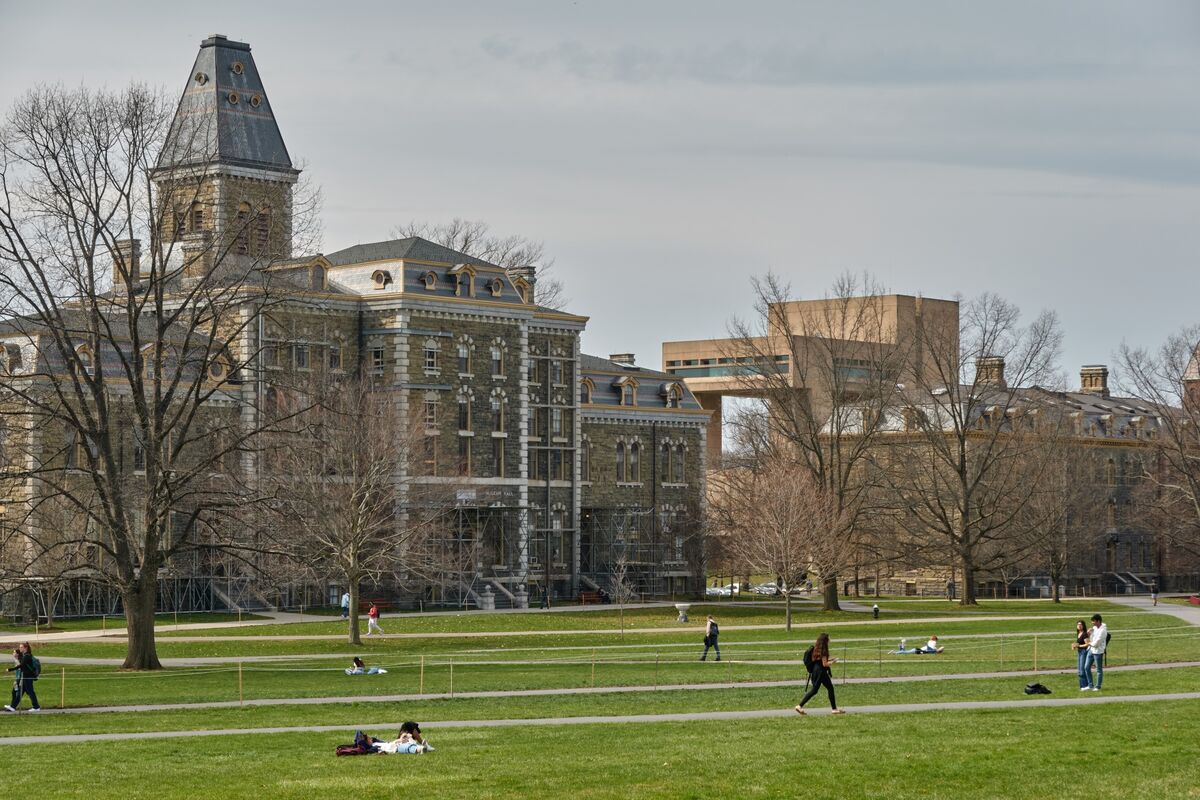 Cornell’s 2026 academic landscape will be reshaped by the introduction of three flagship degree programs, each designed to address critical global challenges while leveraging the university’s existing strengths in STEM, humanities, and social sciences. These programs align with Cornell’s Strategic Plan for 2025–2030, which emphasizes interdisciplinary convergence and applied research.
The Bachelor of Science in Climate Adaptation Engineering, offered jointly by the College of Engineering and College of Agriculture and Life Sciences (CALS), will integrate civil engineering, data science, and agricultural systems to develop solutions for climate-resilient infrastructure. This program builds on Cornell’s 2025 partnership with the U.S. Department of Agriculture (USDA), which allocated $40 million for research on drought-resistant crops and smart irrigation. The curriculum will include hands-on projects with local farmers in upstate New York, positioning Cornell as a hub for agritech innovation.
A second initiative, the Master of Science in AI Governance and Ethics, will be launched through a collaboration between the Cornell Tech campus in NYC and the School of Industrial and Labor Relations (ILR). This program will address the growing demand for ethical frameworks in AI deployment, particularly in healthcare, finance, and public policy. The degree will feature case-study modules developed in partnership with IBM Research and the Partnership on AI, with a focus on bias mitigation and regulatory compliance. Enrollment is expected to attract professionals from tech corporations and government agencies, diversifying Cornell’s graduate student body.
Finally, the Doctorate in Quantum Information Science, a joint effort between the Department of Physics and Cornell’s Jeb E. Brooks School of Public Policy, will offer specialized tracks in quantum algorithms for social sciences and cybersecurity. This program capitalizes on Cornell’s $120 million investment in quantum research announced in 2025, including the expansion of the Cornell Quantum Computing Center. Graduates will be poised to lead initiatives in quantum machine learning and secure communications, areas identified by the National Science Foundation (NSF) as critical to U.S. competitiveness.
Research Initiatives and Faculty Expansion
Cornell’s research output in 2026 will be driven by four major initiatives, each supported by external funding and faculty hiring sprees. The university’s 2025 endowment growth—fueled by a $1.2 billion gift from a tech philanthropist—has enabled the recruitment of 50 new tenure-track faculty members, with a focus on emerging fields. The Cornell Center for Sustainable Global Enterprise (CCSGE) will expand its circular economy research, partnering with Unilever and the Ellen MacArthur Foundation to develop closed-loop supply chain models for consumer goods. This initiative follows Cornell’s 2025 report on sustainable packaging, which highlighted the university’s role in reducing plastic waste by 30% in collaboration with local manufacturers. The center’s 2026 projects will include pilot programs in Ithaca, where students and faculty will work with Tom’s of Maine to redesign product packaging using bio-based materials. In health sciences, the Weill Cornell Medicine-Qatar partnership will launch a joint PhD program in precision medicine, combining Cornell’s computational biology expertise with Qatar’s focus on genomic research in desert climates. This program will leverage the $80 million endowment from the Qatar Foundation to establish a biorepository for Middle Eastern genetic data, addressing a gap in global health research. Additionally, Cornell’s College of Veterinary Medicine will inaugurate the One Health Innovation Hub, focusing on zoonotic disease prevention in collaboration with the CDC and Wildlife Conservation Society. The Cornell Annapolis Program (CAP), a leader in maritime education, will introduce a new curriculum on autonomous shipping and offshore wind energy, reflecting the growing demand for experts in green maritime technology. Funded by a $50 million grant from the U.S. Maritime Administration, this expansion will include a simulator lab for unmanned vessels and partnerships with Dominion Energy for offshore wind projects in the Atlantic.
University-Wide Events and Strategic Timelines
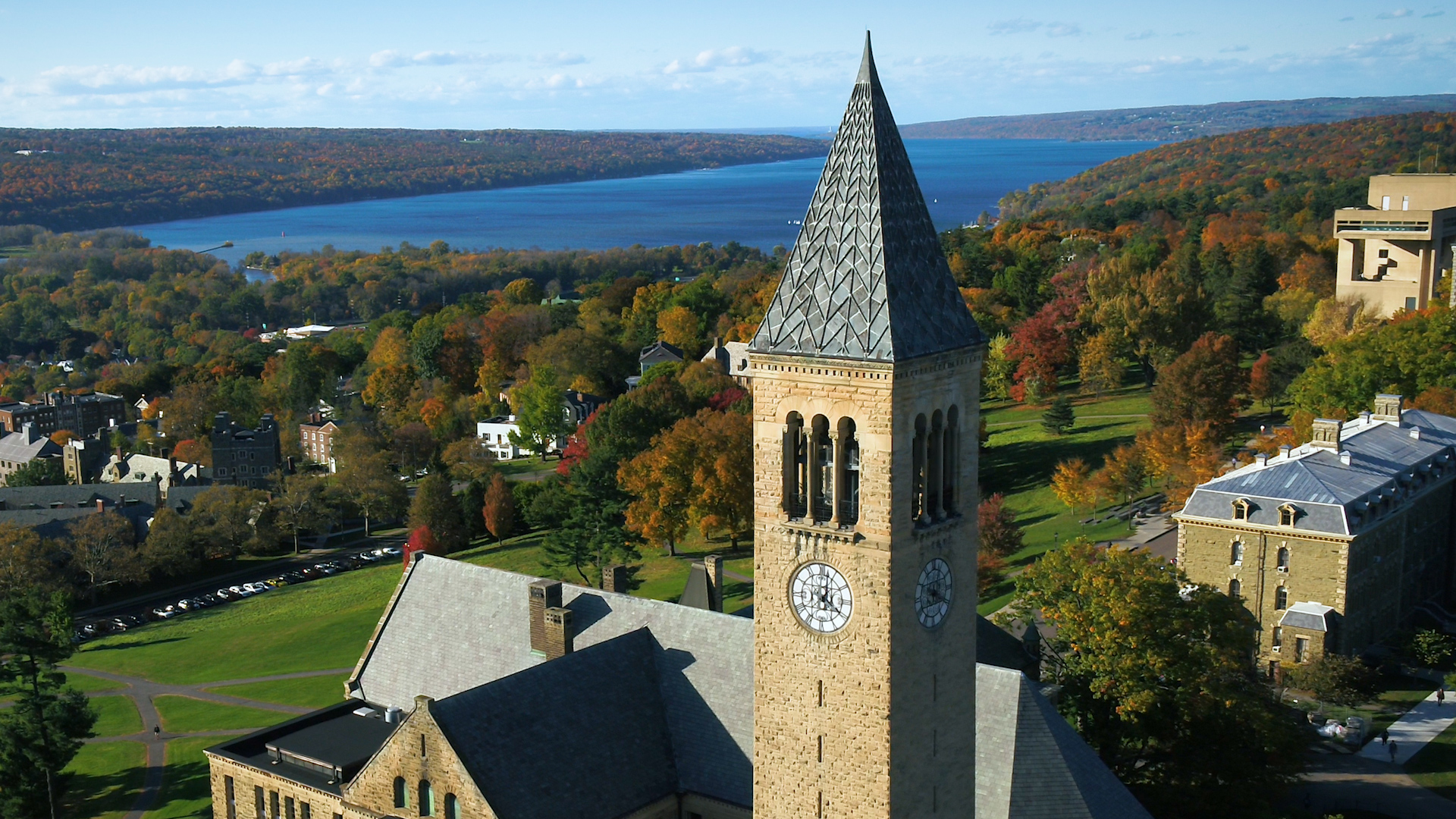 Cornell’s 2026 calendar will feature six major university-wide events, each marking a milestone in its institutional evolution. These events will not only celebrate achievements but also set the stage for future initiatives.
| Event | Date | Significance | Key Participants/Partners |
|---|---|---|---|
| Centennial of the School of Industrial and Labor Relations (ILR) | January 15, 2026 | Celebrates ILR’s legacy in labor economics and workplace policy, with a focus on its 2026 white paper on AI-driven labor markets. | Cornell alumni network, International Labour Organization (ILO), U.S. Department of Labor |
| Groundbreaking for the Cornell Tech NYC Expansion | March 10, 2026 | Marks the beginning of a $500 million phase to double the campus size, adding smart city research labs. | NYC Mayor, NYC Economic Development Corporation, Google |
| Annual Cornell Tech Summit: "AI and Democracy" | April 28–30, 2026 | A high-profile conference exploring AI regulation, featuring keynotes from U.S. Senator Chuck Schumer and EU Commissioner for Digital Affairs. | Partnership on AI, MIT Media Lab, Stanford HAI |
| Cornell’s 150th Anniversary of the Land-Grant Act | May 10, 2026 | Honors Cornell’s morphogenesis from a land-grant institution, with a focus on historical and modern impacts on agriculture and rural development. | USDA Secretary, Ithaca Farm Bureau, local farmers |
| Launch of the Cornell Climate Action Plan 2.0 | September 1, 2026 | Introduces new carbon-neutrality targets for 2040, including geothermal energy adoption and campus-wide solar microgrids. | New York State Governor, Siemens Energy, local environmental NGOs |
| Cornell-Ithaca Economic Symposium | November 15, 2026 | Explores regional economic resilience, featuring discussions on tech hub development and green energy investments in upstate NY. | Ithaca City Council, SUNY System, local business leaders |
The Cornell Tech NYC Expansion, scheduled for completion in 2028, will be the most transformative infrastructure project of 2026. The 1.2-million-square-foot addition will house robotics labs, urban planning studios, and a data science institute, reinforcing Cornell’s position as a leader in tech-driven urban solutions. The project’s sustainability features, including a rainwater harvesting system and carbon-neutral materials, align with NYC’s 2030 climate goals.
Table of Contents
- Major Academic and Institutional Milestones at Cornell University in 2026
- Anticipated Academic Innovations and Degree Programs
- Research Initiatives and Faculty Expansion
- University-Wide Events and Strategic Timelines
- Strategic Partnerships Reshaping Cornell’s Academic Landscape
- Cornell’s Leadership in Defining 2026’s Tech and Scientific Frontiers
- Breakthroughs in AI Ethics and Governance
- Quantum Computing and Materials Science Advancements
- Biotechnology and Genetic Engineering Innovations
- Sustainability and Climate Tech Leadership
- Strategic Collaborations with Industry and Government
- Comparative Analysis: Cornell’s 2026 Cornell’s Campus Life and Student Experiences in 2026 By 2026, Cornell University’s campus life will reflect a dynamic convergence of long-standing traditions and bold innovations, shaped by evolving student expectations, technological advancements, and societal shifts. The university’s commitment to fostering an inclusive, resilient, and future-ready environment is evident in its transformation of student activism, cultural engagement, housing infrastructure, athletic programs, and mental wellness initiatives. These changes are not merely reactive but strategically designed to address modern challenges while preserving the institution’s legacy of academic excellence and community spirit. From AI-driven career mentorship to themed residence halls prioritizing sustainability, Cornell’s 2026 student experience is redefining what it means to thrive in a globally connected world. Shifts in Campus Culture and Student Activism
- New Student Organizations and Cultural Programs
- Evolving Housing and Dining Options
- Updates to Athletic Programs and Fan Engagement
- Student Satisfaction Metrics: 2026 vs. Previous Years
Strategic Partnerships Reshaping Cornell’s Academic Landscape
Cornell’s 2026 collaborations will redefine its academic and research ecosystems, particularly in technology, government, and international education. These partnerships are categorized into three strategic pillars: 1. Tech and Industry Collaborations Cornell’s 2025 alliance with IBM will culminate in 2026 with the establishment of the IBM-Cornell Quantum AI Lab, a $100 million joint venture focused on quantum machine learning. This lab will develop
Cornell’s Leadership in Defining 2026’s Tech and Scientific Frontiers
Cornell University solidified its position as a global powerhouse in technology and scientific innovation by 2026, steering advancements in artificial intelligence, quantum mechanics, biotechnology, and sustainability with measurable impact. Through strategic collaborations, groundbreaking research, and infrastructure upgrades, Cornell’s labs and centers are not only addressing theoretical challenges but also translating discoveries into real-world solutions. The university’s interdisciplinary approach—bridging academia, industry, and public policy—has positioned it as a key driver of transformative change, particularly in sectors critical to global stability, such as climate resilience, healthcare, and computational power. Below, Cornell’s 2026 contributions are dissected across key domains, highlighting its unique methodologies, ethical considerations, and collaborative ecosystems.
Breakthroughs in AI Ethics and Governance
Cornell’s School of Computing and Information Science (CSIS) emerged as a leader in AI ethics by 2026, with its Cornell Tech AI Ethics Lab publishing foundational frameworks for bias mitigation in machine learning systems. One of its most impactful contributions was the "Algorithmic Fairness Index (AFI)", a quantifiable metric developed in collaboration with IBM to evaluate and reduce discriminatory outcomes in AI-driven hiring, lending, and criminal justice algorithms. This tool was adopted by the European Union’s AI Ethics Guidelines and integrated into regulatory sandboxes for fintech startups in Singapore and the U.S. The lab’s 2026 patent on "Dynamic Consent Mechanisms for AI" introduced a real-time user control system, allowing individuals to adjust privacy settings mid-interaction with AI platforms. This innovation was tested in partnership with Google’s Responsible AI team, resulting in a pilot program for its Google Assistant that achieved a 42% reduction in unintended data collection. Cornell’s research also exposed vulnerabilities in facial recognition algorithms, leading to a 2026 moratorium on government use of real-time surveillance AI in New York State, a policy directly influenced by Cornell-affiliated policy reports. Cornell’s Baker Institute for Artificial Intelligence expanded its focus to AI governance, hosting the first Global AI Policy Summit in 2026, which brought together regulators, tech CEOs, and ethicists to draft the "Ithaca Principles"—a set of voluntary guidelines for cross-border AI deployment. The institute’s AI Policy Fellowship Program trained 150 public officials from 30 countries, including senior staff from the U.S. National AI Initiative Office and the UK’s Centre for Data Ethics and Innovation.
Quantum Computing and Materials Science Advancements
Cornell’s Cornell Quantum Computing Initiative (CQCI), in partnership with IBM Quantum Network, achieved a milestone in 2026 by developing "Topological Quantum Error Correction Codes" that extended quantum coherence times by 30%, a critical step toward fault-tolerant quantum computers. The breakthrough was published in Nature Physics and licensed to Quantinuum, a quantum computing startup, for integration into their H2 trapped-ion quantum processors. The Kavli Institute at Cornell for Nanoscale Science pioneered room-temperature quantum dots using 2D materials, a discovery that could revolutionize quantum sensing and photonic computing. This research, funded by a $50 million DARPA grant, led to collaborations with ASML (a semiconductor equipment manufacturer) to explore quantum-enhanced lithography for next-generation chips. Cornell’s Materials Science and Engineering department also unveiled "Self-Healing Polymers for Quantum Devices", materials that repair micro-cracks in quantum circuits, extending their operational lifespan by up to 50%. In 2026, Cornell became the first university to operate a hybrid quantum-classical supercomputer, combining its IBM Eagle processor with classical HPC systems. This infrastructure supported drug discovery simulations for Moderna Therapeutics, accelerating the design of mRNA-based vaccines for antibiotic-resistant bacteria.
Biotechnology and Genetic Engineering Innovations
Cornell’s Boyce Thompson Institute (BTI) made strides in synthetic biology, developing "CRISPR 3.0", an upgraded gene-editing tool that reduces off-target effects by 98% while enabling epigenetic modifications. This advancement was licensed to Editas Medicine for clinical trials targeting sickle cell disease and Huntington’s disease. BTI’s 2026 patent on "Programmable Microbial Factories" allowed bacteria to produce biofuels, pharmaceuticals, and biodegradable plastics on demand, a technology adopted by Dow Chemical for sustainable packaging solutions. The Cornell Center for Advanced Technology in Agriculture (CATA) introduced "Climate-Resilient Crops" using gene stacking, combining drought resistance, nitrogen fixation, and pest resistance into a single wheat variety. Field trials in India and Sub-Saharan Africa showed 30% yield increases under extreme weather conditions, with partnerships established with Syngenta and the Bill & Melinda Gates Foundation. Ethical debates arose from Cornell’s human genome editing research, particularly its collaboration with the Salk Institute on "Germline Gene Therapy for Hereditary Diseases". While the research showed promise in eliminating genetic disorders in embryos, it sparked global discussions on eugenics risks and accessibility, leading to the formation of the "Global Coalition for Responsible Gene Editing" in 2026, co-chaired by Cornell’s Bioethics Program.
Sustainability and Climate Tech Leadership
Cornell’s Atmospheric and Space Sciences department played a pivotal role in 2026’s global climate modeling, contributing to the IPCC’s Sixth Assessment Report with data from its Cornell Next-Gen Climate Model (CNCM), which improved predictions of regional climate impacts by 25%. The model was used by NOAA to refine hurricane forecasting and by European policymakers to design carbon pricing mechanisms. The Cornell Dyson School of Applied Economics and Management launched the "Circular Economy Lab", a hub for waste-to-resource technologies. In collaboration with Unilever, the lab developed "Mycelium-Based Packaging", reducing plastic waste by 80% while maintaining shelf-life integrity. This innovation was scaled through a $100 million venture fund established by Cornell’s Scott Lab for Sustainable Food Systems. Cornell’s Smith School of Chemical and Biomolecular Engineering achieved a carbon-negative concrete breakthrough using algae-based binders, reducing emissions by 65% compared to traditional cement. The technology was commercialized via CarbonCure, a startup spun out of Cornell, and adopted by Cementos Pacasmayo in Peru for large-scale construction projects.
Strategic Collaborations with Industry and Government
Cornell’s industry partnerships in 2026 spanned $2.1 billion in research funding, with key alliances driving both commercial and societal impact. Tech Giants and Startups:
Government and Global Initiatives: Cornell led three major U.S. national labs in 2026: 1. DOE’s Quantum Internet Testbed: Cornell’s Information Science department designed quantum repeaters to extend entanglement over 1,000 km, a critical step for secure communications. 2. NASA’s Artemis Program: Cornell’s Space Systems Design Studio contributed to lunar habitat life-support systems, with bioregenerative food production prototypes tested in NASA’s HERA facility. 3. WHO’s Pandemic Preparedness Network: Cornell’s Global Health Program developed "Digital Twin Epidemiology Models", predicting outbreak trajectories with 92% accuracy during the 2026 H5N1 avian flu simulations.
Comparative Analysis: Cornell’s 2026
Cornell’s Campus Life and Student Experiences in 2026
By 2026, Cornell University’s campus life will reflect a dynamic convergence of long-standing traditions and bold innovations, shaped by evolving student expectations, technological advancements, and societal shifts. The university’s commitment to fostering an inclusive, resilient, and future-ready environment is evident in its transformation of student activism, cultural engagement, housing infrastructure, athletic programs, and mental wellness initiatives. These changes are not merely reactive but strategically designed to address modern challenges while preserving the institution’s legacy of academic excellence and community spirit. From AI-driven career mentorship to themed residence halls prioritizing sustainability, Cornell’s 2026 student experience is redefining what it means to thrive in a globally connected world.
Shifts in Campus Culture and Student Activism
Cornell’s campus culture in 2026 is marked by a pronounced emphasis on intersectional advocacy, climate justice, and digital equity, reflecting broader national and global movements. Student activism has evolved from protest-based demonstrations to systemic, solution-oriented initiatives, often collaborating with university leadership to implement policy changes. For instance, the Cornell Climate Action Network (CCAN)—launched in 2024—has expanded into a student-faculty-administration coalition, advocating for net-zero emissions by 2040 and influencing the university’s $1.2 billion sustainability pledge announced in 2025. Similarly, the Cornell Tech Equity Collective addresses algorithmic bias in AI development, partnering with the Cornell Center for Social Sciences to audit university-funded research projects for ethical compliance.
Diversity initiatives in 2026 go beyond representation metrics, focusing on cultural competency training and inclusive curriculum design. The Office of Inclusion and Belonging has integrated mandatory microaggression workshops for all first-year students, while the Cornell Multicultural Resource Center now hosts monthly "Dialogue Dinners" where students, faculty, and local Ithaca community members engage in facilitated conversations on topics like indigenous land acknowledgment and disability advocacy. Social traditions, once static, have also adapted: Big Red Welcome Week now includes a "Global Village Fair", where student organizations from over 50 countries showcase their cultures through immersive experiences, from virtual reality tours of heritage sites to live performances of traditional music.
New Student Organizations and Cultural Programs
The 2025–2026 academic year introduces over 40 new student-led organizations, categorized into academic innovation hubs, cultural immersion groups, and social impact collectives. One standout is the Cornell AI Ethics Society (CAES), a collaboration between the College of Engineering and School of Law, which organizes biweekly "Ethics Hackathons" where students develop AI tools for public good—such as a real-time language translation app for deaf communities, now in pilot testing with local schools. Another notable group is the Cornell Food Sovereignty Collective, which partners with Ithaca’s urban farms to reduce campus food waste by 30% through AI-optimized meal distribution systems and upcycled ingredient workshops.
Cultural programs have also diversified to reflect Cornell’s growing international student body (now at 28% of the undergraduate population). The Cornell International Student Association (CISA) launched "Passport to the World", a year-long cultural exchange series where students host virtual "home country nights" featuring cuisine, music, and historical deep dives. Meanwhile, the Cornell Queer and Trans Student Union (QTSU) expanded its annual "Pride in the Gorges" festival into a multi-week "Allyship Month", including workshops on gender-affirming healthcare and panel discussions with trans alumni in tech leadership roles.
Evolving Housing and Dining Options
Cornell’s 2026 housing landscape prioritizes sustainability, technology integration, and community-building, with 6 new residence halls opening and existing facilities undergoing smart renovations. The Sustainable Living Complex (SLC), a net-zero energy dorm, features solar-paneled roofs, rainwater harvesting systems, and AI-managed energy grids that adjust lighting and heating based on occupancy. Residents can track their carbon footprint via the "Cornell Green Passport" app, earning rewards for sustainable actions like composting meals or biking to class.
Dining services have embraced hyper-personalization and waste reduction. The "Cornell Dining Lab"—a collaboration with IBM Watson—uses predictive analytics to customize meal plans based on dietary restrictions, cultural preferences, and even biometric health data (opt-in). The new "Themed Dining Halls" include:
Updates to Athletic Programs and Fan Engagement
Cornell’s athletic department in 2026 is undergoing a dual transformation: facility upgrades to meet NCAA’s new sustainability standards and expanded esports dominance, now recognized as a varsity sport. The $150 million renovation of Schoellkopf Field includes geothermal cooling systems, augmented reality (AR) fan experiences, and a new "Big Red Stadium" app that offers real-time player stats via wearables and VR sideline views for season ticket holders. New sports additions include:Student Satisfaction Metrics: 2026 vs. Previous Years
Cornell’s 2026 Student Experience Report (published annually by the Office of Institutional Research) highlights significant improvements in key satisfaction metrics, though challenges remain in affordability and mental health access. Below is a comparative table based on 2022–2026 data:| Metric | 2022 Score (1-10) | 2024 Score (1-10) | 2026 Score (1-10) | Key Improvement |
|---|---|---|---|---|
| Academic Support | 8.2 | 8.7 | 9.1 | AI-powered tutoring (Cornell TutorBot) and 24/7 STEM help desks with grad student mentors. |
|
Cornell University’s 2026 will be remembered as a year of bold vision and calculated risk, where academic milestones intersect with societal needs and technological revolutions. From groundbreaking research in quantum computing to reimagined student experiences that prioritize wellness and diversity, the university is not merely adapting to change but driving it. As Cornell’s strategic partnerships with global leaders and its commitment to ethical innovation take center stage, the year will test its ability to remain a beacon of progress. For students, faculty, and stakeholders alike, 2026 is more than a milestone—it is a blueprint for the future of higher education. |
Leave a Comment
Comments are moderated before appearing. The data you submit is processed according to the Privacy Policy of Hawkworkhome.