I Still Know What You Did Last Summer Redefined Teen Horror Forever
Two decades after its release, I Still Know What You Did Last Summer remains a defining force in teen horror, blending suspense with dark humor to create a franchise that transcends generations. The 1998 film didn’t just entertain—it redefined summer horror as a cultural phenomenon, sparking debates, memes, and endless fan theories that still dominate discussions today. Its blend of small-town dread, supernatural intrigue, and a killer with an eerie sense of justice set a new standard for the genre, influencing everything from sequels to modern horror tropes.
The movie’s impact extends beyond its chilling plot, embedding itself in pop culture through iconic scenes, a haunting soundtrack, and a villain whose identity remains fiercely debated. From the infamous opening sequence to the twist-laden finale, each frame of I Still Know What You Did Last Summer carries layers of meaning, making it more than just a slasher—it’s a cultural artifact. This exploration delves into its legacy, behind-the-scenes secrets, and the enduring mysteries that keep audiences hooked decades later.
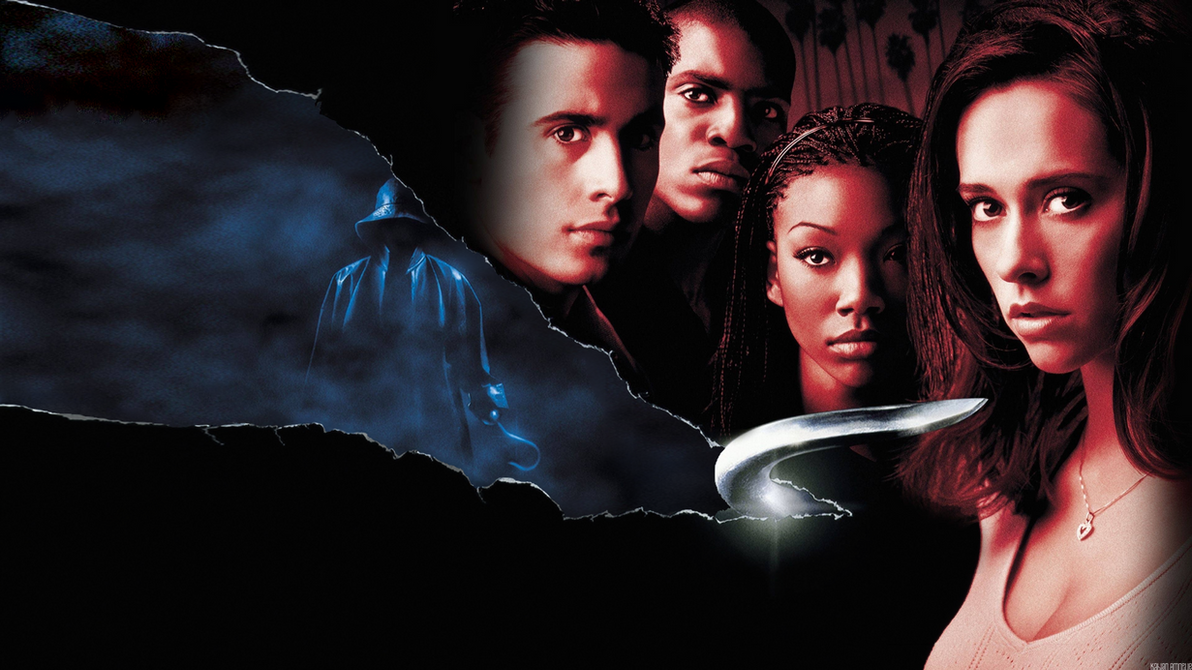
Cultural Impact and Legacy of I Still Know What You Did Last Summer
The release of I Still Know What You Did Last Summer in 1998 marked a pivotal moment in the evolution of teen horror cinema, blending psychological tension with the coming-of-age anxieties of its target audience. Directed by Danny Leiner and produced by Sean S. Cunningham—legendary for Friday the 13th—the film revitalized the slasher subgenre by infusing it with meta-narrative elements, dark humor, and a twist ending that became synonymous with modern horror storytelling. Its success not only redefined expectations for teen horror but also cemented its place as a cultural touchstone, influencing sequels, remakes, and even shaping the tropes of contemporary horror media. The film’s legacy extends beyond box office numbers, permeating internet culture, fan theories, and even LGBTQ+ representation in mainstream cinema.
Reshaping Teen Horror: The Film’s Influence on Sequels, Remakes, and Modern Tropes
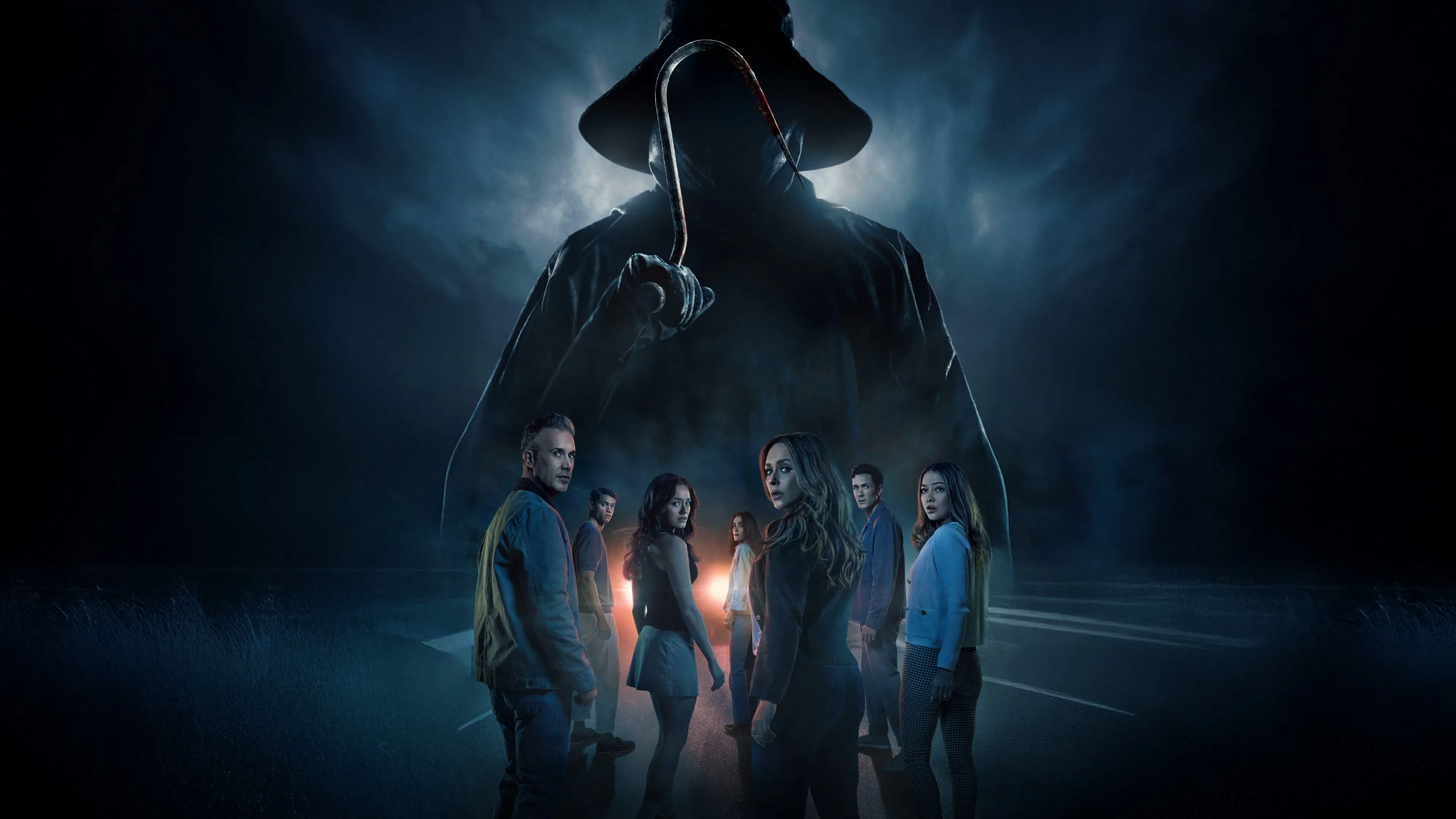 Prior to I Still Know What You Did Last Summer, teen horror films like Scream (1996) and The Craft (1996) had already begun to deconstruct the slasher formula, emphasizing character depth and self-awareness. However, I Still Know What You Did Last Summer took these innovations further by introducing a time-loop narrative that forced characters to confront their past mistakes. This structure became a blueprint for later films, including Groundhog Day (1993) adaptations in horror and even the Happy Death Day franchise (2017–2021). The film’s reliance on unreliable narration—where the audience questions the protagonist’s sanity—also predated the psychological horror trends seen in The Others (2001) and Black Swan (2010).
The franchise’s sequel-heavy approach further solidified its cultural footprint. While many slasher sequels faltered in quality, I Still Know What You Did Last Summer maintained a consistent fanbase by expanding its lore, introducing new killers (e.g., the vengeful spirit of Helen Shivers in The Final Chapter), and experimenting with supernatural elements. The 2022 reboot, though divisive, reflected the franchise’s enduring relevance by attempting to modernize its themes—particularly moral accountability—while incorporating social media paranoia, a trope now ubiquitous in films like Unfriended (2014) and Host (2020).
Popularizing the "Summer Horror" Subgenre
The film’s title and premise—a group of teens haunted by a murder they committed the previous summer—explicitly tied horror to the seasonal anxieties of youth. Unlike Friday the 13th, which relied on campgrounds, or Scream, which used suburban settings, I Still Know What You Did Last Summer leveraged beach towns and small coastal communities as claustrophobic, sun-drenched backdrops for terror. This aesthetic became a staple of the subgenre, influencing later films like The Last House on the Left (2009) and The Strangers (2008), which similarly used idyllic summer locales to heighten dread. The film’s opening scene—a slow-motion, blood-soaked prologue set to a haunting cover of "I Still Know What You Did Last Summer" by The Bouncing Souls—established a template for musical horror intros, later mimicked in The Cabin in the Woods (2012) and Ready or Not (2019). Its twist ending, where the protagonist’s death is revealed to be a loop, also became a defining trope of the 2000s, inspiring films like The Ring (2002) and Session 9 (2001). The franchise’s sequels doubled down on summer horror, with The Final Chapter (2003) introducing a supernatural boogeyman tied to coastal folklore, a motif echoed in The Grudge (2004) and Sinister (2012).
Timeline of Key Moments in the Franchise’s Cultural Impact
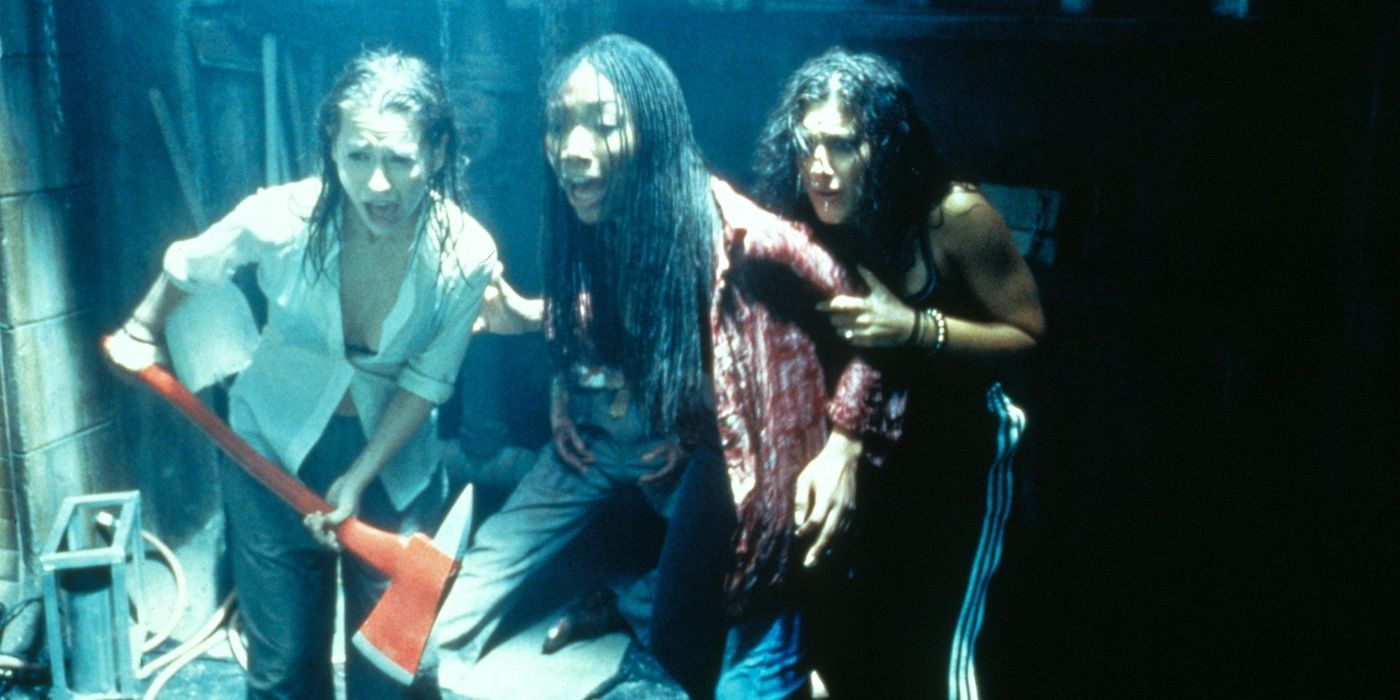
| Year | Event/Release | Cultural Context | Impact on Pop Culture |
|---|---|---|---|
| 1998 | I Still Know What You Did Last Summer (Original Film) | Released during the height of teen horror’s resurgence post-Scream. The film’s twist ending and meta-commentary on guilt resonated with Gen X and early Millennials. | Box office success ($103.7 million worldwide), spawning a franchise. Popularized the "summer horror" trope and inspired countless homages in music videos and memes. |
| 2000 | I Still Know What You Did Last Summer 2 | Released amid a wave of slasher sequels struggling to recapture the original’s magic. The film introduced a new killer and expanded the lore with a more supernatural tone. | Mixed reception but maintained cult status. The "Helen Shivers" character became a fan-favorite villain, later referenced in horror parodies. |
| 2003 | The Final Chapter | Marked the franchise’s shift toward darker, more supernatural horror, aligning with the post-9/11 era’s fascination with existential dread. | Critically panned but developed a niche following for its bold visuals and ambiguous ending. The film’s "summer curse" concept influenced later horror anthologies. |
| 2006 | Direct-to-DVD: I Still Know What You Did Last Summer: The Reunion | Released during the decline of slasher sequels, capitalizing on nostalgia and DVD sales. A comedic spin-off that leaned into parody. | Failed commercially but became a cult favorite for its self-aware humor, foreshadowing the rise of horror-comedy hybrids like Freaky (2020). |
| 2022 | I Still Know What You Did Last Summer (Reboot) | Released during the resurgence of slasher films (Smile, Talk to Me, X), aiming to modernize the franchise with social media paranoia and LGBTQ+ themes. | Mixed reviews; praised for its diversity but criticized for tonal inconsistencies. The reboot’s marketing heavily utilized TikTok and meme culture, reflecting contemporary audience engagement. |
| 2023 | Fan Campaigns for a Third Reboot or Series Revival | Driven by nostalgia and the success of horror series like Wednesday and Chucky, fans petitioned for a continuation or reboot. | Highlighted the franchise’s enduring relevance, with hashtags like #BringBackHelenShivers trending. Studios explored potential spin-offs or TV adaptations. |
Fan Theories and Conspiracies Surrounding the Film
The film’s ambiguous narrative and unreliable timeline have fueled decades of fan speculation, from hidden messages in the script to real-life inspirations for its plot. One persistent theory suggests that the opening prologue—showing the murder of Helen Shivers—was filmed out of chronological order, implying that the entire film takes place in a time loop, similar to Groundhog Day. Fans point to inconsistencies in the characters’ memories (e.g., Julie’s shifting recollections of the boat chase) as evidence of this loop, though the film’s writers have never confirmed this interpretation. Another popular conspiracy involves the film’s hidden messages. Some viewers claim that the license plate "HSH 321" in the original film is a reference to Helen Shivers’ death date (June 3, 1997) or a callback to Friday the 13th’s Jason Voorhees lore. Additionally, the song "I Still Know What You Did Last Summer" by The Bouncing Souls was rumored to contain backmasked lyrics hinting at the killer’s identity, though this was debunked as a marketing stunt
Behind-the-Scenes: Filmmaking and Production Secrets of I Still Know What You Did Last Summer
The production of I Still Know What You Did Last Summer (1998) was a blend of meticulous planning, creative problem-solving, and high-stakes execution, reflecting the film’s mix of horror, teen drama, and suspense. Filming in real locations posed unique challenges, while the film’s practical effects and nonlinear storytelling required innovative techniques. The collaboration between the cast and crew—particularly the chemistry between Jennifer Love Hewitt and Freddie Prinze Jr.—further shaped the film’s identity. Behind the scenes, the production team faced weather disruptions, logistical hurdles, and creative adjustments that ultimately defined the movie’s aesthetic and narrative structure.
Table of Contents
- Cultural Impact and Legacy of I Still Know What You Did Last Summer
- Reshaping Teen Horror: The Film’s Influence on Sequels, Remakes, and Modern Tropes
- Popularizing the "Summer Horror" Subgenre
- Timeline of Key Moments in the Franchise’s Cultural Impact
- Fan Theories and Conspiracies Surrounding the Film
- Behind-the-Scenes: Filmmaking and Production Secrets of I Still Know What You Did Last Summer
- Challenges of Filming in Real Locations: Cape Cod and Beyond
- Practical Effects: Crafting the Film’s Horror and Suspense
- Key Crew Members and Their Contributions to the Film’s Aesthetic
- The Killer’s Identity: Myths, Misinterpretations, and Hidden Clues in I Still Know What You Did Last Summer
- Popular Theories About the Killer’s Identity and Their Supporting Evidence
- Scene-by-Scene Analysis of Subtle Clues Hinting at the Killer’s True Identity
- Debating the Most Plausible Theories: A Comparative Analysis
Challenges of Filming in Real Locations: Cape Cod and Beyond
The decision to film I Still Know What You Did Last Summer primarily in Cape Cod, Massachusetts, added authenticity to the coastal setting but introduced significant production challenges. Unlike controlled studio environments, real locations demanded adaptability, particularly when dealing with unpredictable weather and permit restrictions. Weather Disruptions and Logistical Hurdles The Cape Cod coastline is known for its sudden storms, high winds, and shifting tides—conditions that disrupted multiple shooting days. Scenes involving the ocean, such as the boat sinking sequence, required precise timing to avoid dangerous waves or sudden squalls. Crew members often had to work around tidal schedules, ensuring that shots of the waterfront were captured during low tide for safety and visual clarity. In one instance, a storm forced the crew to halt filming for an entire day, delaying the sequence where the characters encounter the killer in the woods. The production team had to reschedule shoots, sometimes extending the filming period by weeks. Additionally, permits for filming in public areas—such as beaches, docks, and private properties—were a constant challenge. Some landowners were initially reluctant to allow filming on their properties due to concerns about liability or property damage. Negotiations with local authorities and property owners required careful diplomacy, as the film’s crew needed access to specific locations for authenticity. For example, the abandoned boathouse where Helen’s body is discovered was a real structure, but the crew had to obtain special permissions to film inside and around it. The Duality of Realism and Control While real locations enhanced the film’s atmosphere, they also limited the crew’s ability to manipulate the environment for dramatic effect. Unlike studio sets, where lighting, props, and backdrops could be controlled, the production team had to work with natural lighting and existing structures. This constraint influenced the cinematography, particularly in scenes shot during golden hour (shortly after sunrise or before sunset) to maximize the eerie, moody aesthetic of Cape Cod’s coastline. The cinematographer, Donald Peterman, later noted in interviews that the natural light played a crucial role in establishing the film’s tension, as the shifting shadows and reflections in the water added an unsettling visual layer.
Practical Effects: Crafting the Film’s Horror and Suspense
The practical effects in I Still Know What You Did Last Summer were achieved through a combination of in-camera tricks, animatronics, and skilled makeup work, all designed to enhance the film’s visceral horror elements. Unlike later films that relied heavily on CGI, the production team prioritized tangible, physical effects to create a sense of immediacy and danger. The Shark Attacks and Boat Sinking Sequence One of the most technically demanding scenes involved the shark attacks and the sinking of the boat. The production used a combination of a mechanical shark puppet and a full-scale boat prop to simulate the chaos. The shark, operated by a puppeteer, was designed to be as lifelike as possible, with a textured skin and realistic movements. For the underwater shots, the crew used a glass-bottom boat to film the actors while the shark puppet was manipulated just out of frame, creating the illusion of an attack from below. The boat sinking sequence required even more coordination. The production built a replica of the characters’ boat, which was rigged to sink gradually during the scene. Water effects were achieved by carefully controlling the flow of water into the set, while the actors had to time their movements to avoid being swept away by the artificial waves. The scene was shot multiple times to capture the perfect balance of chaos and realism, with the crew using slow-motion footage to enhance the sense of panic. The Killer’s Mask and Animatronics The killer’s signature mask—a distorted, featureless face—was a central element of the film’s horror aesthetic. The mask was crafted using a combination of latex and silicone, designed to be both terrifying and unsettling. For close-up shots, the mask was worn by an actor, while for wider scenes, an animatronic version was used. The animatronic mask could be operated remotely, allowing the crew to create eerie, sudden appearances in the frame. The mask’s design was influenced by classic horror tropes, particularly the slasher films of the 1970s and 1980s, but with a modern twist. The production team wanted the mask to feel both familiar and alien, ensuring that audiences would recognize it as a symbol of the killer’s presence while also making it feel uniquely threatening. The mask’s lack of facial features also allowed for greater flexibility in lighting and camera angles, as it could be illuminated in various ways to create different moods. Blood and Gore Effects The film’s practical effects extended to its blood and gore, which were achieved through a mix of fake blood, prosthetics, and clever camera work. For example, the scene where Helen is killed involves a combination of a fake blood bag and a prosthetic wound to create the illusion of a fatal injury. The crew used a technique called "squibs"—explosive devices that propel blood or other effects—to enhance the realism of the violence. These effects were carefully choreographed to ensure that the actors remained safe while still delivering convincing performances.
Key Crew Members and Their Contributions to the Film’s Aesthetic
The success of I Still Know What You Did Last Summer was heavily influenced by the collaborative efforts of its key crew members, each of whom brought a distinct creative vision to the project. Below is a breakdown of their roles and contributions, along with notable interviews or documentaries featuring their insights.
| Role | Name | Notable Contributions | Interviews/Documentaries Featuring Them | |||||||||||||||||||
|---|---|---|---|---|---|---|---|---|---|---|---|---|---|---|---|---|---|---|---|---|---|---|
| Director | Danny Cannon |
|
|
|||||||||||||||||||
| Cinematographer | Donald Peterman |
|
|
|||||||||||||||||||
| Production Designer | Jeffrey Beecroft |
Scene-by-Scene Analysis of Subtle Clues Hinting at the Killer’s True IdentityThe film’s narrative is rich with visual and auditory clues that, when analyzed collectively, may reveal the killer’s true nature. Below is a breakdown of key moments and their significance. The Opening Scene: The Fisherman’s WatchDebating the Most Plausible Theories: A Comparative AnalysisThe killer’s identity remains one of the film’s greatest mysteries, with each theory offering compelling evidence. Below is a comparative table evaluating the four most plausible theories.
|
Leave a Comment
Comments are moderated before appearing. The data you submit is processed according to the Privacy Policy of Hawkworkhome.