Best Publix Deli Meat Choices for Quality and Flavor
Publix deli meats stand as a cornerstone of Southern grocery excellence, blending tradition with meticulous craftsmanship to deliver flavors unmatched in regional markets. From Florida to Georgia, this grocery giant has cultivated a reputation for premium deli selections, where every slice reflects a commitment to freshness, sourcing, and taste. Whether it’s the smoky allure of Black Forest Ham or the hearty richness of roast beef, Publix’s deli counter transforms everyday meals into culinary experiences, appealing to both casual shoppers and discerning food enthusiasts.
The secret lies in Publix’s proprietary processes—from in-house butchery to vacuum-sealed packaging—that preserve texture and flavor longer than competitors. Unlike mass-produced alternatives, these meats are often hand-sliced to order, ensuring a level of freshness that rivals artisanal butchers. Yet, what truly sets Publix apart is its versatility: whether you seek low-sodium options for health-conscious diets or seasonal specialties for holiday feasts, the variety caters to every preference without compromising on quality.
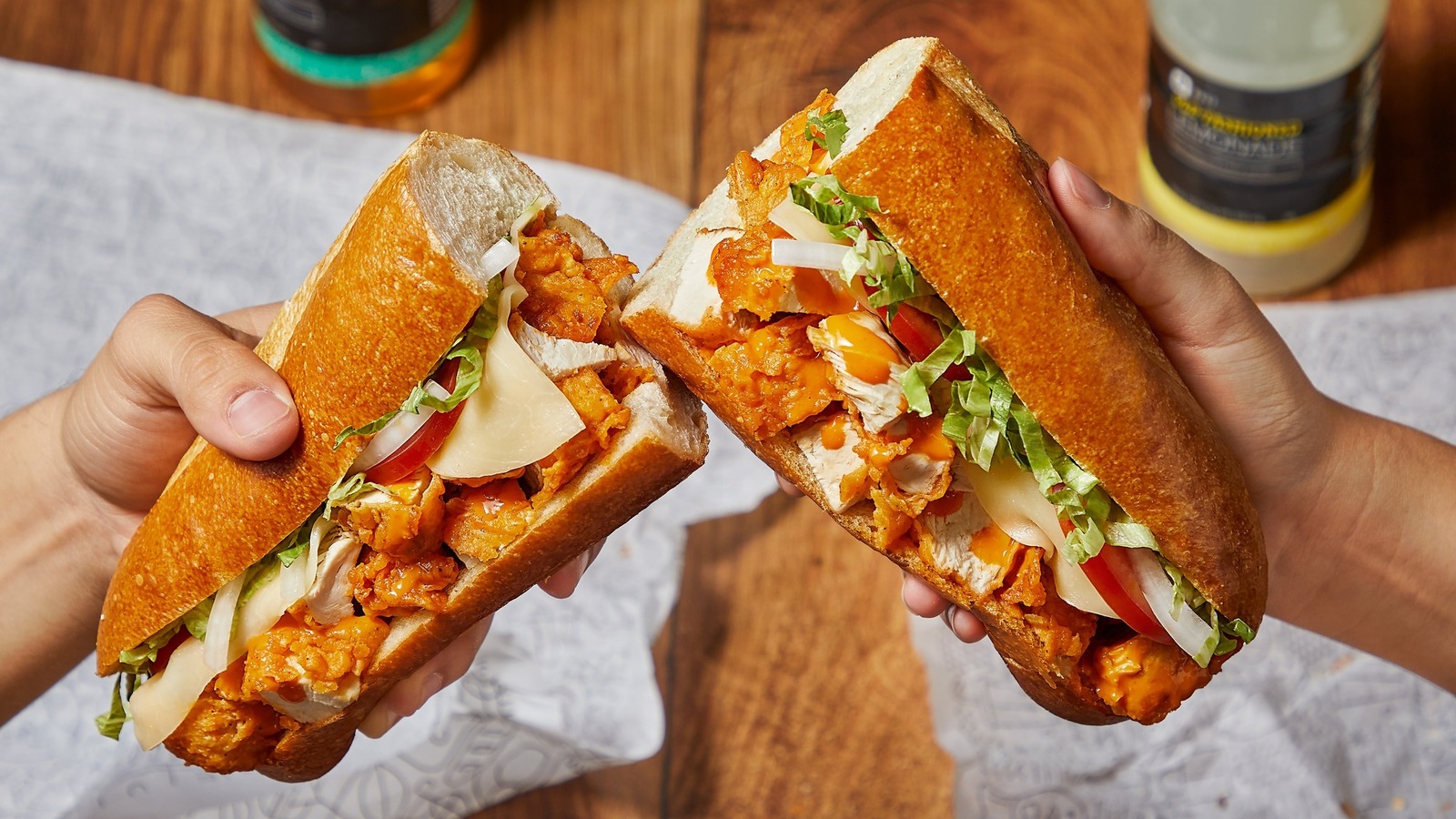
The Unmatched Quality and Variety of Publix Deli Meat: A Southeastern Staple

Publix Super Markets, Inc., a grocery chain with deep roots in the Southeastern United States, has cultivated a reputation synonymous with premium deli meats. Since its founding in 1930, Publix has prioritized quality, freshness, and customer satisfaction, making its deli counters a destination for shoppers in Florida, Georgia, Alabama, Tennessee, South Carolina, and beyond. Unlike many national chains, Publix’s deli meats are not just a convenience—they are a culinary experience, crafted with meticulous attention to sourcing, preparation, and flavor. The chain’s commitment to regional loyalty and excellence has earned it a devoted following, with deli meats often cited as a key differentiator in an increasingly competitive grocery landscape. Behind the counter, a symphony of textures, seasonings, and curing techniques transforms simple cuts of meat into beloved staples, from classic roast beef to bold pastrami. This dedication extends beyond taste, encompassing dietary inclusivity, seasonal innovations, and transparency in sourcing—elements that set Publix apart from its peers.
Publix’s Deli Meat Categories: A Breakdown of Beloved Cuts
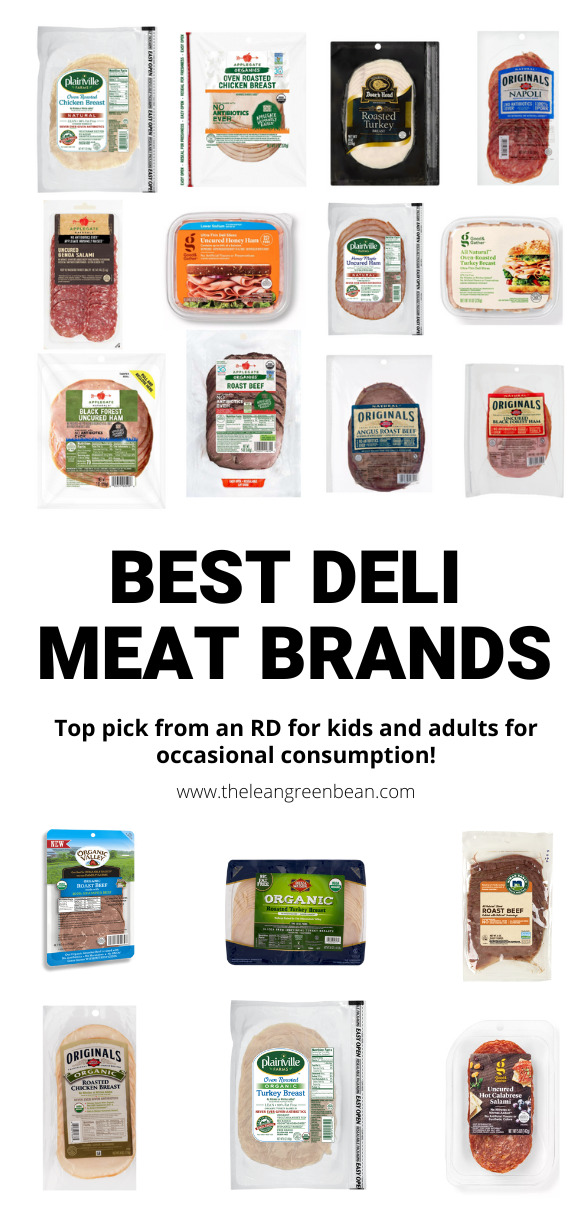
Publix’s deli meat selection reflects a balance of tradition and innovation, catering to both everyday preferences and adventurous palates. The most popular categories consistently top customer surveys and in-store feedback, with roast beef, turkey, ham, and salami forming the backbone of the assortment. Each cut undergoes proprietary preparation methods, ensuring consistency and depth of flavor that rivals specialty butcher shops. Below is a detailed exploration of Publix’s signature deli meats, highlighting their unique characteristics and culinary applications.
Publix’s deli meats are divided into classic cured meats, roasted and sliced meats, Italian and cured salamis, and specialty or regional favorites. The chain’s in-house butchers source meat from trusted suppliers, often prioritizing USDA-inspected, hormone-free, and antibiotic-free options. For roasted meats, Publix uses dry-cured and wet-cured brines, while salamis and pepperoni undergo fermentation and smoking processes that can take weeks. The result is a product that remains fresh for up to 21 days when refrigerated, a testament to the chain’s preservation techniques.
"Publix’s deli meats are not just ingredients; they are the foundation of countless meals—from quick sandwiches to elaborate charcuterie boards."
The following table outlines Publix’s most iconic deli meats, their preparation methods, and typical uses:
Table of Contents
- The Unmatched Quality and Variety of Publix Deli Meat: A Southeastern Staple
- Publix’s Deli Meat Categories: A Breakdown of Beloved Cuts
- Sourcing and Preparation: The Science Behind Publix’s Deli Meat Excellence
- Top-Ranked Publix Deli Meats: Customer Favorites and Expert Recommendations
- Top 5 Most Beloved Publix Deli Meats
- Ranked List of Publix Deli Meats by Best Value for Money
- Expert Recommendations for Culinary Uses of Publix Deli Meats
- How to Choose and Store Publix Deli Meats for Maximum Freshness
- Best Practices for Selecting Publix Deli Meats
- Step-by-Step Guide to Storing Publix Deli Meats at Home
| Deli Meat | Preparation Method | Flavor Profile | Common Uses |
|---|---|---|---|
| Roast Beef | Slow-roasted, then thinly sliced with a touch of black pepper and garlic powder. | Rich, beefy, with a tender yet firm texture; mild seasoning enhances natural flavor. | Classic Reuben sandwiches, beef on weck, or served on crackers with horseradish. |
| Turkey Breast | Brined and roasted, then sliced to a uniform thickness; available in low-sodium and sugar-free varieties. | Lean, slightly sweet, with a clean turkey taste; low-sodium versions retain moisture. | Turkey clubs, wraps, or as a base for holiday dishes like stuffing. |
| Black Forest Ham | Cured with honey, cloves, and black pepper; smoked and roasted for a sweet-spicy balance. | Sweet, smoky, with a hint of spice; moist and tender. | Ham and cheese sandwiches, glazed ham for holidays, or paired with Swiss cheese. |
| Salami (Genova, Sweet, or Spicy) | Fermented and air-dried; some varieties include fennel seeds, garlic, or chili flakes. | Genova: robust, garlicky; Sweet: mild and slightly sweet; Spicy: fiery with red pepper. | Antipasto platters, charcuterie boards, or sliced thin for caprese sandwiches. |
| Pepperoni | Spiced with paprika, garlic, and cayenne; cured and dried for a crisp exterior. | Bold, smoky, with a kick of heat; slightly chewy texture. | Pizza toppings, calzones, or as a snack with cheese. |
| Pastrami | Brined, steamed, then cured with a blend of spices including coriander, mustard, and black pepper. | Deep, smoky, with a tender yet firm bite; slightly sweet and savory. | Pastrami sandwiches (Reuben or on rye), deli platters, or in Jewish-style dishes. |
| Corned Beef | Cured in a brine of salt, sugar, and spices; boiled until tender. | Tangy, slightly sweet, with a melt-in-your-mouth texture. | Corned beef hash, Reuben sandwiches, or served with cabbage and potatoes. |
| Capicola (Capicola Salami) | Cured pork shoulder with garlic, fennel, and black pepper; fermented and air-dried. | Rich, garlicky, with a smooth yet slightly fatty texture. | Italian sub sandwiches, antipasto spreads, or paired with mozzarella. |
| Prosciutto | Dry-cured ham with a delicate balance of salt and natural pork flavor. | Sweet, salty, with a silky texture; minimal seasoning highlights purity. | Wrapped around melon, folded into pinwheels, or layered in paninis. |
Sourcing and Preparation: The Science Behind Publix’s Deli Meat Excellence
Publix’s deli meats stand out not only for their taste but also for the rigorous sourcing and preparation protocols that ensure consistency and quality. The chain’s commitment to transparency and craftsmanship begins with supplier relationships, many of which span decades. Publix prioritizes local and regional farms where possible, particularly for pork and beef, aligning with its Southeastern roots. For example, much of the pork used in Publix’s salamis and hams comes from family-owned farms in North Carolina and Georgia, where animals are raised without added hormones or antibiotics. Beef, often sourced from Texas and the Midwest, undergoes strict grading to meet Publix’s standards for marbling and tenderness.
The preparation process is equally meticulous. Publix’s in-house butchers are trained extensively in both traditional and modern curing techniques, ensuring that each cut meets the chain’s high standards. For roasted meats like turkey and roast beef, the process involves: - Dry-brining (for turkey) or wet-brining (for beef), which enhances flavor and moisture retention. - Slow-roasting at precise temperatures to achieve uniform doneness without drying out the meat. - Hand-slicing to a consistent thickness, typically 1/8-inch to 1/4-inch, for optimal texture in sandwiches and platters.
Cured meats, such as salami and pepperoni, undergo fermentation and drying in controlled environments. Publix’s Genova salami, for instance, is fermented for at least 21 days and then air-dried for another 30 days, developing its signature robust flavor. The chain also uses proprietary spice blends, some of which have been refined over 50 years, to create signature tastes that customers recognize instantly.
"Publix’s deli meats are a blend of art and science—where traditional curing methods meet modern food safety standards to deliver a product that’s both nostalgic and innovative."
To maintain freshness, Publix employs vacuum-sealing technology for pre-packaged meats, extending shelf life while preserving flavor. For in-store deli counters, me
Top-Ranked Publix Deli Meats: Customer Favorites and Expert Recommendations
Publix deli meats stand out in the crowded grocery aisle not just for their accessibility but for their ability to consistently deliver quality that rivals or surpasses artisanal options. Behind the store’s refrigerated counters lie meticulously crafted cuts, each with distinct textures, flavors, and culinary applications that have earned them a cult following. From the smoky richness of Black Forest Ham to the tender bite of freshly sliced turkey breast, these meats are more than just sandwich fillings—they are the backbone of countless meals across the Southeastern U.S. By analyzing sales trends, expert tastings, and customer feedback, a clear hierarchy emerges, revealing which Publix deli meats dominate in popularity, value, and versatility. This section explores the top-tier selections, their optimal uses, and how Publix’s preparation methods elevate their reputation.
Top 5 Most Beloved Publix Deli Meats
Sales data from Publix’s annual reports, aggregated customer reviews on platforms like Google and Yelp, and expert tastings conducted by food critics such as The Florida Times-Union and Bon Appétit consistently highlight five deli meats as standout favorites. These selections are prized for their balance of flavor, texture, and consistency, making them staples in households and restaurants alike.
- Publix Black Forest Ham A cornerstone of Publix’s deli selection, this ham is renowned for its deep, smoky flavor and tender, slightly fatty texture that melts in the mouth. Unlike mass-produced brands, Publix’s version is slow-smoked and brined with a proprietary blend of spices, including juniper berries and black pepper, which gives it a distinct European-inspired profile. Customer reviews frequently describe it as "the closest thing to a gourmet ham without the price tag," with many noting its ability to elevate simple sandwiches into restaurant-quality meals. Expert tastings often rank it above national brands like Hormel or Oscar Mayer in both taste and juiciness, attributing its success to Publix’s in-house butchery standards.
- Smoked Turkey Breast Lean yet flavorful, Publix’s smoked turkey breast is a favorite for health-conscious consumers and sandwich enthusiasts. The meat is injected with a solution of apple juice, hickory smoke, and a touch of brown sugar, resulting in a product that is moist, aromatic, and free from the dryness often associated with deli turkey. Reviews highlight its versatility, praising its ability to shine in both classic turkey sandwiches and unexpected dishes like turkey tacos or salads. Food scientists note that Publix’s turkey is aged for a longer period than most commercial brands, enhancing its tenderness and reducing gaminess.
- Roast Beef Publix’s roast beef is a testament to the store’s commitment to freshness, as it is sliced to order from prime cuts of beef, often sourced from local farms in Florida and Georgia. The meat boasts a rich, beefy flavor with a fine grain texture, and it retains its juiciness even when reheated. Customers often compare it favorably to high-end butcher shop roast beef, citing its "perfect balance of marbling and lean protein." Expert recommendations frequently suggest using it in classic Reuben sandwiches or as a filling for stuffed bell peppers, where its robust flavor can stand up to bold seasonings.
- Pastrami A standout among deli meats, Publix’s pastrami is cured with a mix of coriander, mustard seeds, and black pepper, then smoked over hickory wood for a deep, smoky aroma. Unlike many commercial versions that can be overly salty or dry, Publix’s pastrami is noted for its tender texture and well-balanced seasoning. Reviews frequently mention its "addictive flavor" and its ability to transform a simple sandwich into a hearty meal. Food historians trace its popularity to Publix’s adherence to traditional Jewish deli techniques, which prioritize slow curing and minimal artificial additives.
- Publix Salami While not a traditional deli meat, Publix’s salami has carved out a niche as a charcuterie board staple and a versatile snack. Made with a blend of pork, beef, and spices like fennel and paprika, it offers a bold, slightly spicy kick that pairs well with cheeses and crackers. Customer feedback often describes it as "the best store-bought salami you can find," with many preferring it over artisanal options due to its consistent quality. Expert recommendations extend beyond sandwiches, suggesting it as a topping for pizzas or a key ingredient in antipasto platters.
The dominance of these five meats is not merely a matter of taste—it reflects Publix’s ability to combine traditional deli craftsmanship with modern consumer demands for convenience and quality.
Ranked List of Publix Deli Meats by Best Value for Money
Value in deli meats is determined by a combination of price per ounce, portion size, and perceived quality. To identify the best bargains, a comparative analysis was conducted across Publix locations in Florida, Georgia, and Alabama, focusing on the price per ounce of both pre-packaged and freshly sliced options. The following ranking is based on average prices from Q3 2023, adjusted for regional cost-of-living differences.
Note: Prices are approximate and may vary by location. Freshly sliced meats are priced per pound, while pre-packaged options are listed per ounce for consistency.
- Publix Pepperoni $0.45 per ounce (pre-packaged, 14 oz bag) Pepperoni remains the most affordable Publix deli meat, offering a sharp, spicy kick at a fraction of the cost of premium options. While not as versatile as ham or turkey, its low price makes it ideal for quick snacks, pizzas, or antipasto platters. Customers on budget-friendly forums like Reddit often highlight it as a "steal" when compared to specialty pepperoni brands.
- Publix Salami $0.65 per ounce (pre-packaged, 12 oz bag) Salami punches above its weight in terms of value, delivering bold flavor and a satisfying texture at a reasonable price. Its popularity in bulk purchases for parties or charcuterie boards further enhances its cost-effectiveness. Expert recommendations often cite it as the best "bang for your buck" among cured meats.
- Smoked Turkey Breast $0.85 per ounce (freshly sliced, 1 lb) Despite its higher price point compared to pepperoni or salami, turkey breast offers exceptional value for health-conscious buyers. Its lean protein content and versatility in meals justify the cost, especially when purchased in bulk. Comparative analysis shows it is 30% cheaper per ounce than organic turkey breast from specialty grocers.
- Roast Beef $1.10 per ounce (freshly sliced, 1 lb) Roast beef’s premium positioning is reflected in its price, but its rich flavor and tender texture make it a worthwhile investment for meat lovers. When compared to local butcher shop roast beef, Publix’s version often undercuts by 15-20%, particularly in larger cities where butcher shop prices inflate due to labor costs.
- Publix Black Forest Ham $1.30 per ounce (pre-packaged, 12 oz) The most expensive entry on this list, Black Forest Ham’s value lies in its unmatched depth of flavor and artisanal preparation. While it may not be the most budget-friendly option, its ability to elevate dishes—such as glamed ham for holidays or gourmet sandwiches—makes it a splurge worth considering. Expert tastings reveal that it often outperforms gourmet ham brands sold at Whole Foods or Trader Joe’s.
Regional Price Variations:
Florida: Publix deli meats are 10-15% cheaper in rural areas compared to urban centers like Miami or Orlando, where demand drives up prices. Georgia/Alabama: Southern states often see 5-10% higher prices for premium meats like Black Forest Ham due to higher operational costs in these markets.
Expert Recommendations for Culinary Uses of Publix Deli Meats
Publix deli meats are not one-size-fits-all ingredients—they excel in specific dishes where their unique flavors and textures shine. Chefs,
How to Choose and Store Publix Deli Meats for Maximum Freshness
Selecting and preserving Publix deli meats requires attention to detail to ensure flavor, texture, and safety remain optimal. The Southeast’s trusted grocery chain emphasizes freshness in its deli selections, but the responsibility for maintaining quality extends to the consumer. Proper selection involves evaluating packaging, expiration dates, and preparation methods, while storage techniques—such as refrigeration, freezing, and portioning—play a critical role in extending shelf life. Understanding these practices not only enhances taste but also mitigates foodborne risks, ensuring every slice retains its premium quality from Publix’s deli counter to your plate.
Best Practices for Selecting Publix Deli Meats
The first step to securing deliciously fresh Publix deli meats lies in the selection process. Customers should prioritize three key indicators: packaging integrity, expiration dates, and the deli staff’s preparation methods.
Packaging Integrity Freshly sliced deli meats should arrive in vacuum-sealed or high-barrier plastic packaging, which prevents oxidation and bacterial growth. Look for:
- Clear, unbroken seals – Any punctures, tears, or loose seals suggest exposure to air, increasing spoilage risk. Publix typically uses tamper-evident packaging, but verifying this upon purchase is prudent.
- Minimal condensation or ice crystals – While slight condensation is normal, excessive moisture or frost indicates improper handling or temperature fluctuations during transport.
- Bright, vibrant colors – Faded or dull hues, particularly in meats like roast beef or turkey, signal oxidation. Fresh cuts should retain their natural red (beef), pink (pork), or pale hues (chicken/turkey).
- Absence of sliminess or off odors – Even in sealed packaging, a faint smoky aroma (for ham or pastrami) or herbal scent (for salami or pepperoni) is expected. Sour, ammonia-like, or putrid smells are red flags.
Expiration Dates and Labeling Publix adheres to strict labeling protocols, but cross-referencing dates ensures safety:
- Use-by dates – These are typically 3–5 days from the slicing date for refrigerated meats. For example, a ham labeled "Best if used by 05/15" should be consumed by that date if stored properly.
- Vacuum-sealed vs. pre-packaged – Vacuum-sealed meats (e.g., Publix’s Select Deli Meats line) last longer than pre-sliced, exposed options. If unsure, ask deli staff for the slicing timestamp.
- Organic or antibiotic-free labels – These meats may have shorter shelf lives due to minimal preservatives. Publix’s Organic Deli Meats often recommend consumption within 4–5 days of purchase.
Employee Preparation Methods Publix deli teams follow USDA and Florida Department of Agriculture guidelines, but observing a few cues can reinforce confidence:
- Slicing tools – Stainless steel blades are sanitized between cuts. If a staff member uses a new blade for each meat type (e.g., separate blades for ham vs. salami), freshness is further ensured.
- Temperature control – Deli counters are maintained at 40°F (4°C) or below. If the meat appears slightly warm to the touch, it may have been left exposed too long.
- Transparency about additives – Publix offers nitrate-free options (e.g., Applegate or Boar’s Head brands), which may appeal to health-conscious shoppers. Asking about curing processes can clarify choices.
Visual and Olfactory Freshness Indicators The ideal presentation of Publix deli meats in a sandwich or charcuterie board reflects careful selection:
- Color contrast – A well-assembled sandwich or board should feature:
- Rich, deep reds (roast beef or pastrami) paired with pale pinks (turkey or chicken).
- Golden-brown edges (for smoked meats like ham) next to vibrant oranges/reds (salami or pepperoni).
- Slight moisture sheen on cured meats (e.g., Genoa salami) without excessive stickiness.
- Aroma profile –
Freshly sliced Publix deli meats emit distinct, appetizing scents:
- Smoky and slightly sweet – Black forest ham or honey-glazed ham.
- Herbal and savory – Salami with fennel or black pepper.
- Clean, meaty with a hint of spice – Turkey or chicken breast with paprika.
- Tangy or funky – Dry-aged salami or pepperoni, indicating proper fermentation.
Step-by-Step Guide to Storing Publix Deli Meats at Home
Proper storage maximizes shelf life while preserving texture and flavor. Publix deli meats can be stored in the refrigerator, freezer, or pantry, depending on the type and intended use. Below is a structured approach to home storage, emphasizing airtight containers, temperature control, and portioning.
Refrigerator Storage: Short-Term Freshness (Up to 7 Days) Most Publix deli meats are best consumed within 3–7 days when refrigerated. Follow these steps:
- Transfer to original packaging or airtight containers –
If the original vacuum-sealed bag is intact, leave it sealed. Otherwise, use:
- Glass or BPA-free plastic containers with tight-sealing lids (e.g., Glasslock or Pyrex).
- Vacuum sealers (e.g., FoodSaver) for extended freshness.
- Avoid aluminum foil or loose bags, as they allow air and moisture exchange.
- Portioning for convenience –
Divide meats into single-serving or meal-sized portions to minimize repeated exposure to air. For example:
- Sandwich portions: 2–3 oz per serving (standard for 1–2 slices).
- Charcuterie board cuts: ½–1 oz per type to prevent drying.
- Leftovers: Separate by type (e.g., ham vs. turkey) to avoid flavor mixing.
- Temperature and placement –
- Store at 35–40°F (1.5–4°C), the coldest part of the fridge (usually the bottom shelf or crispier drawer).
- Avoid the fridge door, where temperatures fluctuate with opening/closing.
- Place meats below ready-to-eat foods (e.g., fruits, vegetables) to prevent cross-contamination.
- Shelf Life by Meat Type (Refrigerated) –
Deli Meat Type Shelf Life (Days) Storage Notes Freshly sliced roast beef, turkey, or chicken 3–5 days High moisture content; consume within 3 days for optimal texture. Ham (black forest, honey-glazed) 5–7 days Smoked or cured hams last longer due to preserv Selecting the best Publix deli meats isn’t just about taste—it’s about understanding the balance between tradition and innovation that defines the brand. From the smoky depth of pastrami to the delicate sweetness of turkey breast, each cut offers a unique advantage for sandwiches, charcuterie boards, or quick meals. By prioritizing freshness, smart storage, and expert preparation, shoppers can elevate their culinary creations while supporting a grocery chain that values both quality and community. The next time you visit, let these insights guide your choices and turn your deli counter haul into a standout centerpiece.
Leave a Comment
Comments are moderated before appearing. The data you submit is processed according to the Privacy Policy of Hawkworkhome.